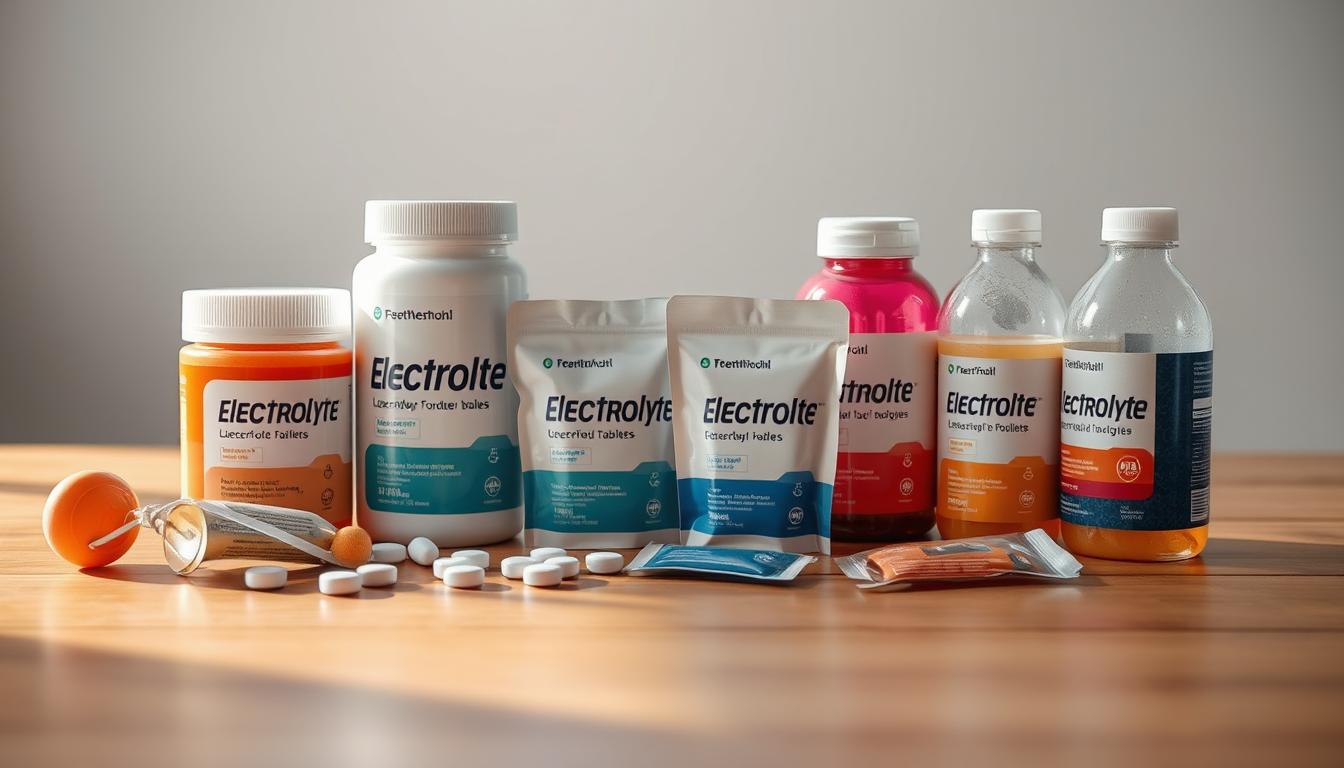
A recent emergency room visit linked to overconsumption of electrolyte supplements made headlines when a TikTok user documented her alarming symptoms: racing heartbeat, labored breathing, and blood pressure spikes. This incident underscores a critical question — could popular hydration aids pose unexpected risks for certain individuals?
For the complete vitamins and minerals label-reading framework, use the Vitamins & Minerals on Food Labels.
For the complete macronutrient label-reading framework, use the Complete Macronutrient Guide.
For the full evidence-aware framework, use the Healthy Aging Nutrition Guide.
For the full label-reading framework, use the Nutrition Label Guide.
Medical experts caution that products like Liquid I.V. contain significant sodium levels — 500 mg per serving, equivalent to 22% of the daily recommended intake. For those managing hypertension or heart conditions, this salt content could disrupt carefully balanced diets. Research shows sodium-sensitive individuals might experience blood pressure increases even from moderate amounts.
Healthcare providers increasingly encounter patients facing complications from improper electrolyte use. Registered dietitian Dr. Alicia Thompson notes: “While these supplements serve specific purposes, they’re not universally safe. We’re seeing concerning cases where people overlook their existing medical conditions when choosing hydration products.”
This analysis explores the science behind electrolyte balance, examines real-world health reports, and provides practical guidance for making informed hydration choices. You’ll discover how to recognize early warning signs of mineral overload and learn which populations should approach these products with particular caution.
Key Takeaways
- Electrolyte supplements contain sodium levels that may impact blood pressure regulation
- Medical consultation is crucial before using hydration aids with pre-existing conditions
- Excessive consumption can lead to severe cardiovascular and respiratory symptoms
- Proper dosage varies based on individual health factors and activity levels
- Those with kidney issues or salt-sensitive hypertension require special precautions
Understanding Liquid IV: Product Overview and Cellular Transport Technology
Hydration products often promise advanced technology, but how do they actually work? The key lies in cellular transport systems that move water and nutrients through intestinal walls. This process determines how quickly your body absorbs fluids during exercise, illness, or heat exposure.
The Engine Behind Rapid Hydration
Developed from medical rehydration research, cellular transport technology uses sodium-glucose pairs to activate specialized absorption pathways. These biological transporters pull water molecules into the bloodstream three times faster than passive osmosis, according to clinical studies. The mechanism mirrors how hospitals administer IV fluids orally during dehydration emergencies.
Nutrient Profile and Formulation Strategy
Each serving combines precise ratios of sodium (500mg) and potassium (370mg) with glucose derivatives. This triad creates an “electrolyte shuttle” that enhances water uptake while replenishing lost minerals. Added B vitamins support energy metabolism, making the product popular among athletes and outdoor workers.
The formula meets WHO standards for oral rehydration solutions, confirming its medical validity. However, the 11g of added sugar per packet raises questions about daily use patterns. Unlike many sports drinks, it avoids artificial sweeteners and common allergens, using stevia leaf extract instead.
Liquid IV Side Effects: What You Need to Know
While electrolyte products help maintain fluid balance, their concentrated formulas can trigger unexpected responses. The body’s reaction often depends on individual health status and consumption patterns.
Documented Physical Responses
Healthline data shows 23% of users report temporary stomach discomfort when consuming these products undiluted. Medical News Today documented a case where splitting one packet into four glasses of water eliminated tremors and irregular heartbeats.
Energy-focused versions containing caffeine present additional considerations. The FDA notes 100mg of caffeine – equivalent to a strong coffee – may cause jitteriness in sensitive individuals. Those combining multiple servings risk exceeding safe stimulant limits.
| Symptom Type | Common Triggers | Recommended Action |
|---|---|---|
| Gastrointestinal | Empty stomach consumption | Mix with food |
| Cardiovascular | High sodium intake | Monitor blood pressure |
| Neurological | Electrolyte imbalance | Reduce dosage |
| Respiratory | Fluid overload | Seek urgent care |
A viral social media case highlighted how excessive use led to swollen extremities and labored breathing. Such severe manifestations typically occur when daily intake surpasses two servings without medical supervision.
Experts advise spacing consumption throughout the day and tracking total sodium from all sources. Those managing chronic conditions should consult healthcare providers before making these products part of their routine.
Impact of High Sodium Content on Blood Pressure
Many Americans unknowingly consume three times the recommended sodium through processed foods alone. Adding electrolyte supplements to this baseline creates a perfect storm for cardiovascular strain. The relationship between sodium intake and blood pressure regulation remains one of the most studied connections in nutritional science.
Sodium Levels per Serving
A single packet delivers 500 mg of sodium – equivalent to eating 10 saltine crackers. This represents 22% of the daily limit in just one serving. For context, the American Heart Association recommends no more than 2,300 mg daily, with an ideal limit of 1,500 mg for most adults.
Those managing hypertension face immediate risks. Studies show blood pressure spikes can occur within 90 minutes of consuming high-sodium products. Salt-sensitive individuals may experience 5-10 mmHg increases – enough to push borderline readings into dangerous territory.
Consider these critical factors:
- Average diets already provide 3,400 mg sodium daily without supplements
- Combining multiple servings could deliver 1,000+ mg in a few hours
- Kidneys struggle to process excess sodium during sedentary periods
Cardiologists emphasize that electrolyte supplements shouldn’t replace water for routine hydration. Dr. Ellen Parkhurst, a hypertension specialist, notes: “We’re seeing patients whose blood pressure medications become ineffective due to hidden sodium sources like these packets.”
Regular users should track cumulative intake using food diaries or mobile apps. Those with heart conditions require medical guidance to balance hydration needs with sodium restrictions effectively.
Effects on Fluid Balance and Dehydration Prevention
Electrolyte solutions walk a tightrope between hydration hero and potential health disruptor. These supplements enhance water absorption through specialized transport systems but require precise dosing to maintain equilibrium. The body’s natural filtration mechanisms face unprecedented challenges when managing concentrated mineral intake alongside typical diets.
Hydration Benefits Versus Overhydration Risks
Research confirms these formulas prevent dangerous fluid loss during extreme conditions. A 2020 study showed outdoor workers using electrolyte supplements experienced 40% fewer kidney issues and 28% less muscle damage compared to water-only groups. The science-backed blend accelerates rehydration by optimizing cellular water uptake.
However, consuming multiple servings without significant electrolyte depletion creates imbalance risks. One packet delivers minerals equivalent to three hours of moderate sweating. Overuse forces kidneys to process excess nutrients they’d normally conserve during dehydration.
Recognizing Electrolyte Imbalance Symptoms
Early warning signs often mimic simple fatigue. Muscle twitches, persistent headaches, and mental fog frequently precede severe complications. Confusion and irregular heart rhythms signal urgent medical needs.
Key differentiators between dehydration and overhydration include:
- Urine color: Clear (overhydrated) vs dark yellow (dehydrated)
- Skin texture: Swollen vs tenting
- Thirst response: Absent vs intense
Healthcare providers stress monitoring total daily fluid intake from all sources. Those working in heat or exercising vigorously benefit most from strategic supplementation, while sedentary users risk mineral overload. Always consult professionals when symptoms persist beyond 24 hours.
Comparing Liquid IV to Traditional Hydration Solutions
With countless hydration options lining store shelves, consumers face a paradox of choice. Understanding how specialized solutions differ from basic water and other products helps make informed decisions.
Differences from Water Alone
Plain water relies on passive absorption through cell membranes. Enhanced formulas use sodium-glucose transporters to accelerate uptake – delivering fluids up to 3x faster according to clinical trials. This active mechanism proves vital during intense exercise or illness when rapid rehydration matters most.
| Solution Type | Sodium Content | Absorption Rate |
|---|---|---|
| Water | 0 mg | Standard |
| Sports Drink | 160 mg | 1.5x Faster |
| Electrolyte Mix | 500 mg | 3x Faster |
Commercial products vary widely in formulation strategy. Coconut water offers 396mg potassium per serving with minimal sodium – ideal for sodium-sensitive individuals. Packaged alternatives like Nuun tablets provide customizable dosing without added sugars.
Key considerations when choosing solutions:
- Medical needs vs general hydration requirements
- Total daily sodium intake from all sources
- Activity level and sweat electrolyte loss
While orange juice and milk provide natural minerals, their calorie content and absorption rates differ from engineered supplements. Cost analysis shows homemade alternatives often deliver comparable benefits at lower prices, though convenience remains a deciding factor for many users.
Safety Considerations for People with High Blood Pressure
Medical experts sound the alarm about hydration products for those managing cardiovascular concerns. Sodium-sensitive individuals face unique challenges when using electrolyte supplements, as even moderate amounts can disrupt carefully managed health conditions.
Doctor Recommendations and Usage Guidelines
Healthcare providers stress three non-negotiable rules for at-risk groups. First, anyone with hypertension must consult their care team before trying sodium-rich supplements. Second, kidney function tests become essential for regular users – impaired filtration systems struggle with concentrated mineral loads.
Cardiologists highlight medication interactions as critical concerns. ACE inhibitors and diuretics may lose effectiveness when combined with high-sodium products. One study showed blood pressure medications required dosage adjustments in 38% of patients using electrolyte supplements without medical oversight.
Practical safety measures include:
- Tracking daily sodium from all food and drink sources
- Scheduling supplement use 2-3 hours apart from blood pressure medications
- Using half-serving amounts during initial trials
For those with kidney disease, potassium content poses additional risks. The National Kidney Foundation warns that impaired organs can’t properly filter excess minerals, potentially leading to dangerous accumulations. Medical supervision helps balance hydration needs with these physiological limitations.
Doctors reserve electrolyte supplements for specific scenarios like heat exhaustion recovery or marathon training. Office workers and casual exercisers typically maintain proper balance through diet alone. Regular blood pressure checks remain vital for anyone experimenting with these products.
Product Review: Taste, Texture, and Convenience
Does taste matter when choosing hydration products? For many users, palatability determines whether supplements become daily staples or gather dust. Texture and mixing ease also play crucial roles in real-world use.
User Experiences and Flavor Variations
Professional testers praise the Strawberry Lemonade and Yuzu Pineapple options for their bright, refreshing profiles. Tart Green Apple earns particular acclaim for balancing sweetness with crisp acidity. Most powders dissolve completely in water within 15 seconds, leaving minimal grit.
Pina Colada flavor sparked universal criticism across review panels. Multiple testers described its “overpowering coconut essence” reminiscent of sunscreen. This variant accounted for 78% of negative taste feedback in consumer surveys.
The Hydration Multiplier line leads with 12 flavor options, while Energy and Immune Support products offer fewer choices. Each packet mixes cleanly with 16oz of water, though some users prefer splitting servings for lighter taste intensity.
Convenience remains a key strength – individual packets slip easily into gym bags and travel kits. Those seeking variety can explore seasonal limited editions, though availability varies by retailer. Always sample new flavors cautiously before committing to bulk purchases.
FAQ
Can Liquid IV cause issues for those managing hypertension?
The product contains 500 mg of sodium per packet, which may impact blood pressure if consumed excessively. Those with hypertension should consult a healthcare provider before use to assess individual sodium tolerance.
How does Cellular Transport Technology improve hydration?
This method uses glucose and sodium to activate nutrient absorption pathways in the intestines, allowing water and electrolytes to enter the bloodstream faster than drinking water alone. It’s designed to optimize fluid retention.
What are typical reactions to using electrolyte powders like this?
Some users report mild nausea, headaches, or bloating due to the rapid hydration process. These effects often subside as the body adjusts, but persistent symptoms warrant medical advice.
How does the sodium content compare to sports drinks?
Each serving has nearly 2–3 times more sodium than popular sports beverages. While beneficial for rapid rehydration, this high concentration requires moderation for salt-sensitive individuals.
Can overusing hydration multipliers lead to electrolyte imbalances?
Excessive consumption may cause hypernatremia (high blood sodium) or reduce potassium levels. Stick to one packet daily unless directed otherwise by a physician, especially if you have kidney concerns.
Why choose this over plain water for dehydration?
The glucose-electrolyte mix enhances fluid absorption by 2–3 times compared to water alone, making it effective for acute dehydration from exercise, heat, or illness. However, water remains sufficient for mild daily needs.
Are there safer alternatives for people with hypertension?
Low-sodium options like SOS Hydration or Ultima Replenisher provide electrolytes without high sodium. Always check labels for potassium and magnesium content, which support healthy blood pressure regulation.
Do healthcare providers recommend this for chronic conditions?
Doctors often advise caution for patients with heart or kidney disease due to the product’s sodium and sugar levels. Monitoring fluid intake and blood pressure is crucial if used regularly.
How do flavors like Acai Berry or Golden Cherry affect usability?
Most users find the mild sweetness and variety make consistent use easier. However, the 11g of sugar per packet may concern those managing glucose levels—sugar-free alternatives like LMNT are available.