eNutritionFacts
  • Nutrition Database
    • Nutrition Lookup
    • Nutrition Label Guide
    • Food & Drink Nutrition Facts
      • Fruits
      • Vegetables
      • Grains & Legumes
      • Proteins & Meat
      • Dairy & Alternatives
      • Beverages
      • Oils, Sauces & Condiments
      • Snacks & Packaged Foods
    • Semantic Food Comparison Engine
    • Nutrient Ranking Tool
    • Nutrition Data Methodology
  • Nutrition Topics
    • Nutrition Label Guides
    • Clean Label & Ingredients
    • Preparation Impact
  • Editorial Standards
    • Our Story & Mission
    • Expert Team
    • Editorial Guidelines & Fact-Checking Policy
    • Nutrition Data Methodology
    • Expert Review Policy
    • Corrections & Update Policy
    • Advertising & Affiliate Disclosure
    • Medical Disclaimer
  • Tools
    • Core Tools
      • Nutrition Lookup
      • Food Comparison Engine
      • Recipe Nutrition Calculator
      • Serving Size & %DV Label Converter
    • Research & Interpretation Tools
      • Nutrient Ranking Tool
      • Preparation Impact Estimator
      • Bioavailability Context Explainer
      • Nutrient Interaction Graph Explorer
    • Planning & Synthesis Tools
      • Macro Target Estimator
      • Meal Synthesizer
      • Amino Acid Complementarity Estimator
    • Verification & Governance Tools
      • Nutrient Data Provenance
      • Nutrition Data Provenance Ledger
      • Research Contribution Portal
      • Nutrition datasets
      • Semantic Graph Engine
  • Contact
Recent Posts
  • Steamed vs Boiled Broccoli Nutrition Facts
  • Banana Nutrition Facts: Calories, Vitamins, and Sugar Content
  • Arizona Hard Lemon Iced Tea Nutrition Facts Explained
  • How Many Carbs Are in a Banana? Surprising Facts Revealed
  • Patron Silver Tequila Nutrition Facts
  • Bacardi Superior White Rum Nutrition Facts
  • Why Cooked Foods Can Show More Calories per 100g
  • Liquid IV Ingredients: What Makes It Different from Other Hydration Mixes?
  • Natural Flavors on Food Labels
  • How Protein Helps with Satiety

Categories

  • Additives & Preservatives
  • Beverages
  • Blood Sugar & Glycemic Response
  • Boiled, Steamed & Roasted Foods
  • Claims & Marketing Terms
  • Clean Label & Ingredients
  • Dairy & Alternatives
  • Food & Drink Nutrition Facts
  • Fruits
  • Grains & Legumes
  • Ingredient List Basics
  • Metabolic Nutrition
  • Nutrition Label Guides
  • Oils, Sauces & Condiments
  • Preparation Impact
  • Protein, Satiety & Appetite
  • Proteins & Meat
  • Raw vs Cooked Nutrition
  • Snacks & Packaged Foods
  • Sweeteners & Sugar Terms
  • Vegetables
eNutritionFacts
eNutritionFacts
  • Nutrition Database
    • Nutrition Lookup
    • Nutrition Label Guide
    • Food & Drink Nutrition Facts
      • Fruits
      • Vegetables
      • Grains & Legumes
      • Proteins & Meat
      • Dairy & Alternatives
      • Beverages
      • Oils, Sauces & Condiments
      • Snacks & Packaged Foods
    • Semantic Food Comparison Engine
    • Nutrient Ranking Tool
    • Nutrition Data Methodology
  • Nutrition Topics
    • Nutrition Label Guides
    • Clean Label & Ingredients
    • Preparation Impact
  • Editorial Standards
    • Our Story & Mission
    • Expert Team
    • Editorial Guidelines & Fact-Checking Policy
    • Nutrition Data Methodology
    • Expert Review Policy
    • Corrections & Update Policy
    • Advertising & Affiliate Disclosure
    • Medical Disclaimer
  • Tools
    • Core Tools
      • Nutrition Lookup
      • Food Comparison Engine
      • Recipe Nutrition Calculator
      • Serving Size & %DV Label Converter
    • Research & Interpretation Tools
      • Nutrient Ranking Tool
      • Preparation Impact Estimator
      • Bioavailability Context Explainer
      • Nutrient Interaction Graph Explorer
    • Planning & Synthesis Tools
      • Macro Target Estimator
      • Meal Synthesizer
      • Amino Acid Complementarity Estimator
    • Verification & Governance Tools
      • Nutrient Data Provenance
      • Nutrition Data Provenance Ledger
      • Research Contribution Portal
      • Nutrition datasets
      • Semantic Graph Engine
  • Contact
arizona hard lemon iced tea nutrition facts
  • Beverages
  • Food & Drink Nutrition Facts

Arizona Hard Lemon Iced Tea Nutrition Facts Explained

  • June 29, 2026
  • Joana Malheiro

Imagine sitting on a sunlit porch, craving something crisp that quenches your thirst and lifts your spirits. That’s where beverages like this citrus-forward drink shine – blending familiar comfort with grown-up sophistication. For those exploring flavorful options in the malt beverage aisle, understanding what’s inside matters just as much as the taste.

For the beverage group index and source-basis notes, use the Beverages Nutrition Facts.

For the full evidence-aware framework, use the Healthy Aging Nutrition Guide.

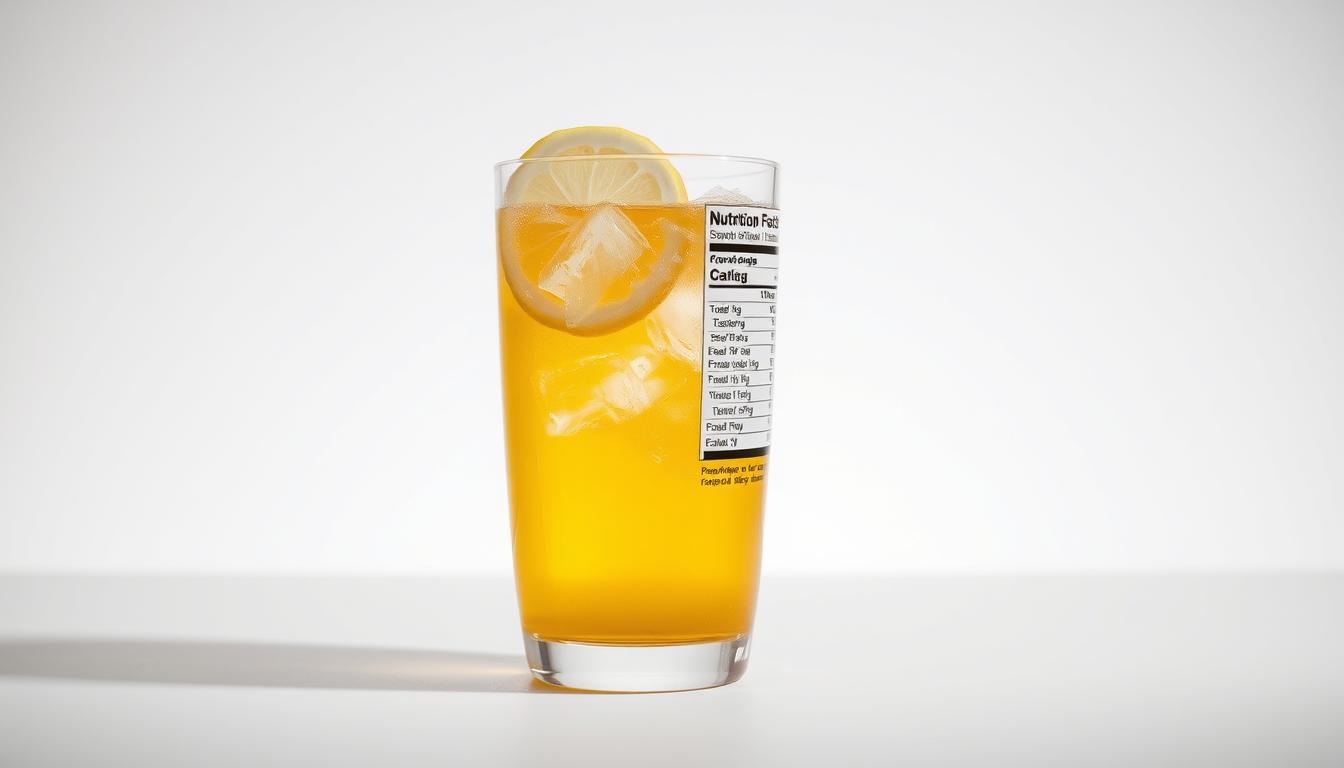
This 22-ounce drink combines brewed tea with real fruit juice, offering a 5% alcohol content. Unlike many competitors, it uses cane sugar instead of artificial sweeteners and packs a vitamin C boost. The focus on natural ingredients caters to shoppers prioritizing transparency in their indulgences.

Why does this matter? Today’s consumers want to enjoy life while staying informed. Whether tracking calories or avoiding preservatives, people deserve clear details about what they’re drinking. This analysis breaks down the nutritional profile to show how it fits into balanced lifestyles.

Key Takeaways

Contents

    • 0.1 Key Takeaways
  • 1 Product Overview and Key Characteristics
    • 1.1 Highlighting Brewed Tea and Real Fruit Juice
    • 1.2 Essential Features and Brand Information
  • 2 arizona hard lemon iced tea nutrition facts: Calories, Sugars, and Daily Values
    • 2.1 Caloric Content and Serving Size Insights
    • 2.2 Sugar Levels and Nutritional Comparisons
    • 2.3 Understanding Daily Nutritional Contributions
  • 3 Exploring the Brewing Process and Ingredient Quality
    • 3.1 The Role of Real Fruit Juice and Cane Sugar
    • 3.2 Production Techniques and Natural Flavors
  • 4 Conclusion
  • 5 FAQ
    • 5.1 Q: How many calories are in one serving?
    • 5.2 Q: Does this beverage use artificial sweeteners?
    • 5.3 Q: What percentage of daily sugar intake does one can provide?
    • 5.4 Q: Are there vitamins in this drink?
    • 5.5 Q: How does the caffeine content compare to coffee?
    • 5.6 Q: Is the fruit flavoring derived from actual fruit?
  • Contains 5% alcohol by volume in a single-serving 22-fluid-ounce container
  • Made with authentic brewed tea and fruit juice for natural flavoring
  • Features vitamin C and cane sugar instead of artificial additives
  • Provides complete nutritional transparency for informed consumption
  • Aligns with health-conscious choices through preservative-free formulation

Product Overview and Key Characteristics

When choosing a malt beverage, quality ingredients make all the difference. This drink stands out by combining brewed tea with real fruit juice, creating layers of flavor that feel both refreshing and authentic. The absence of artificial additives ensures each sip aligns with modern preferences for clean-label products.

Highlighting Brewed Tea and Real Fruit Juice

The foundation of this beverage starts with slow-steeped tea leaves, giving it a genuine tea taste missing from powdered mixes. Real citrus extracts add tangy brightness while delivering natural vitamin C – a nutrient that helps protect cells from oxidative stress. This approach avoids synthetic flavorings, letting the ingredients speak for themselves.

Essential Features and Brand Information

Cane sugar balances the tartness without artificial aftertastes. Unlike brands using high-fructose corn syrup, this choice offers a smoother sweetness. The 22-ounce can simplifies portion control, ideal for those monitoring intake.

Feature Benefit Comparison
Brewed Tea Base Authentic flavor profile vs. Powdered tea in competitors
Real Fruit Juice Natural vitamins & antioxidants vs. Artificial flavorings
Cane Sugar Clean sweetness vs. High-fructose corn syrup

As a malt beverage, it undergoes fermentation for seamless alcohol integration. This process preserves the tea and fruit juice integrity, resulting in a crisp finish that pairs well with casual gatherings.

arizona hard lemon iced tea nutrition facts: Calories, Sugars, and Daily Values

Making informed choices about beverages requires understanding their nutritional impact. This citrus malt drink’s 22 fl oz serving size delivers distinct characteristics that merit closer examination across three key areas.

Caloric Content and Serving Size Insights

One 22-ounce container contains approximately 228 calories. For those following a 2,000-calorie day framework, this represents 11% of daily energy intake. The larger size compared to standard 12 oz drinks means consuming nearly two portions in a single sitting.

Sugar Levels and Nutritional Comparisons

With 34g of sugars from cane sugar per serving, this beverage provides 68% of the recommended daily limit. When compared to similar malt drinks:

READ ALSO  Grey Goose Vodka Nutrition Facts
Nutrient Amount Per Serving % Daily Value Comparison
Sugars 34g 68% 12% higher than average
Vitamin C 30mg 33% 3x more than competitors
Carbohydrates 38g 13% Comparable to peers

Understanding Daily Nutritional Contributions

The daily value percentages help contextualize how this drink fits into balanced diet patterns. While it offers substantial vitamin C, the sugar content requires mindful consumption. Those monitoring carbohydrate intake should note that one serving provides 13% of daily needs.

Individual requirements vary, but using the 2,000 calories day baseline creates consistent benchmarks. Always consider personal health goals when enjoying flavorful malt beverages.

Exploring the Brewing Process and Ingredient Quality

Crafting a premium malt beverage demands precision at every step. From selecting leaves to timing fermentation, each phase impacts flavor and nutritional value. This drink’s foundation lies in brewed tea steeped using traditional methods, extracting antioxidants while building depth.

The Role of Real Fruit Juice and Cane Sugar

Citrus extracts join the mix during specific stages to protect vitamin C levels. Cold-pressed juices preserve natural oils that give brightness without synthetic enhancers. You’ll notice the difference in every sip – genuine tartness replaces artificial sharpness.

Cane sugar serves dual purposes: balancing acidity and fueling fermentation. Unlike corn syrup, it caramelizes evenly, creating smoother alcohol integration. This choice also avoids the cloying aftertaste common in mass-produced alternatives.

Production Techniques and Natural Flavors

Fermentation occurs in controlled batches to maintain ingredient integrity. Temperature-regulated tanks prevent nutrient loss while achieving 5% alcohol content. The process locks in tea’s earthy notes and fruit’s zesty character.

No preservatives mean freshness relies on airtight packaging and swift distribution. Tannins from brewed tea blend with citrus acids, forming layered flavors naturally. Every can delivers consistency through rigorous quality checks – a testament to craftsmanship over shortcuts.

Conclusion

Today’s consumers demand both taste and transparency in their drinks. This malt beverage meets that need with its natural formulation – brewed tea, fruit extracts, and cane sugar – while providing clear details about how each nutrient serving contributes daily to dietary goals. For those following a 2,000 calories day plan, one 22-ounce container delivers 11% of energy needs and a third of vitamin C requirements.

Understanding how this serving food fits into your daily diet helps balance enjoyment with awareness. While its sugar content requires moderation, the absence of preservatives aligns with health-conscious preferences. General nutrition advice suggests treating it as an occasional refreshment rather than a staple.

Transparent labeling tells you exactly what’s inside, empowering smarter choices. Whether managing intake or savoring quality ingredients, this approach bridges flavor and accountability. By prioritizing nutrition advice and ingredient integrity, the beverage reflects modern expectations for drinks that delight and inform.

FAQ

Q: How many calories are in one serving?

A: Each 8 fl oz serving contains 90 calories derived primarily from cane sugar and real fruit juice. This represents 4.5% of the recommended 2,000-calorie daily diet.

Q: Does this beverage use artificial sweeteners?

A: No. It’s sweetened naturally using cane sugar and real lemon juice, avoiding synthetic additives. The ingredient list emphasizes brewed tea and fruit-based components.

Q: What percentage of daily sugar intake does one can provide?

A: A single serving contains 22g of sugars, contributing 44% of the Daily Value. This aligns with many flavored teas but exceeds plain brewed varieties.

Q: Are there vitamins in this drink?

A: While not vitamin-fortified, it contains trace amounts of vitamin C from lemon juice. Nutritional emphasis lies in its simplicity: brewed tea leaves, citrus extracts, and minimal processing.

Q: How does the caffeine content compare to coffee?

A: Caffeine levels approximate 15mg per serving — significantly lower than coffee (95mg per 8 oz). This makes it a milder option for those monitoring stimulant intake.

Q: Is the fruit flavoring derived from actual fruit?

A: Yes. The tartness comes from real lemon juice concentrate, not artificial flavorings. This distinguishes it from competitors using synthetic citrus substitutes.

Related Topics
  • nutrition facts
Joana Malheiro
Joana Malheiro

Joana Malheiro is a Food Science Writer specializing in the clean label movement. She investigates ultra-processed foods (UPFs), ingredient supply chains, and artificial additives for eNutritionFacts.com. Read full author profile

Previous Article
carbs in banana
  • Nutrition Label Guides

How Many Carbs Are in a Banana? Surprising Facts Revealed

  • June 29, 2026
  • Dania Rizvi
Read More
Next Article
banana nutrition facts
  • Dairy & Alternatives
  • Food & Drink Nutrition Facts

Banana Nutrition Facts: Calories, Vitamins, and Sugar Content

  • June 29, 2026
  • Dania Rizvi
Read More

Leave a Reply Cancel reply

Your email address will not be published. Required fields are marked *

Latest nutrition guides

Steamed vs Boiled Broccoli Nutrition Facts clean editorial nutrition education image

Steamed vs Boiled Broccoli Nutrition Facts

Steamed vs Boiled Broccoli Nutrition Facts explained with cautious educational wording, internal links, methodology context, and saved-post review-ready…

banana nutrition facts

Banana Nutrition Facts: Calories, Vitamins, and Sugar Content

Discover the ultimate banana nutrition facts guide. Learn about calories, vitamins, and sugar content in bananas, and understand…

carbs in banana

How Many Carbs Are in a Banana? Surprising Facts Revealed

Discover the truth about carbs in banana and how they impact your diet. Learn more in our ultimate…

Generic branded-food nutrition label setup for Patrón / Bacardi Patron Silver Tequila

Patron Silver Tequila Nutrition Facts

Patron Silver Tequila nutrition facts from USDA FoodData Central Branded Foods: calories, serving size, label values, ingredients when…

Generic branded-food nutrition label setup for Bacardi Bacardi Superior White Rum

Bacardi Superior White Rum Nutrition Facts

Bacardi Superior White Rum nutrition facts from USDA FoodData Central Branded Foods: calories, serving size, label values, ingredients…

Why Cooked Foods Can Show More Calories per 100g clean editorial nutrition education image

Why Cooked Foods Can Show More Calories per 100g

Why Cooked Foods Can Show More Calories per 100g explained with cautious educational wording, internal links, methodology context,…

Liquid IV Ingredients

Liquid IV Ingredients: What Makes It Different from Other Hydration Mixes?

Liquid IV Ingredients: What Makes It Different from Other Hydration Mixes? explained with cautious educational wording, internal links,…

Natural Flavors on Food Labels clean editorial nutrition education image

Natural Flavors on Food Labels

Natural Flavors on Food Labels explained with cautious educational wording, internal links, methodology context, and saved-post review-ready structure.

About eNutritionFacts
About Us
Our Expert Team
Contact
Sitemap
Editorial Standards
Editorial Guidelines
Nutrition Data Methodology
Expert Review Policy
Corrections & Updates Policy
Legal & Disclaimers
Medical Disclaimer
FTC & Affiliate Disclosure
Privacy Policy & Cookie Policy
Terms of Use
eNutritionFacts

© 2026 eNutritionFacts. All rights reserved. eNutritionFacts is owned and operated by FFMarketing.

Content on this site is provided for educational and informational purposes only and is not medical advice. eNutritionFacts may earn revenue from display ads, affiliate links, sponsored placements, or other commercial relationships. These relationships do not control our nutrition data, editorial standards, review policies, or correction decisions.

Input your search keywords and press Enter.