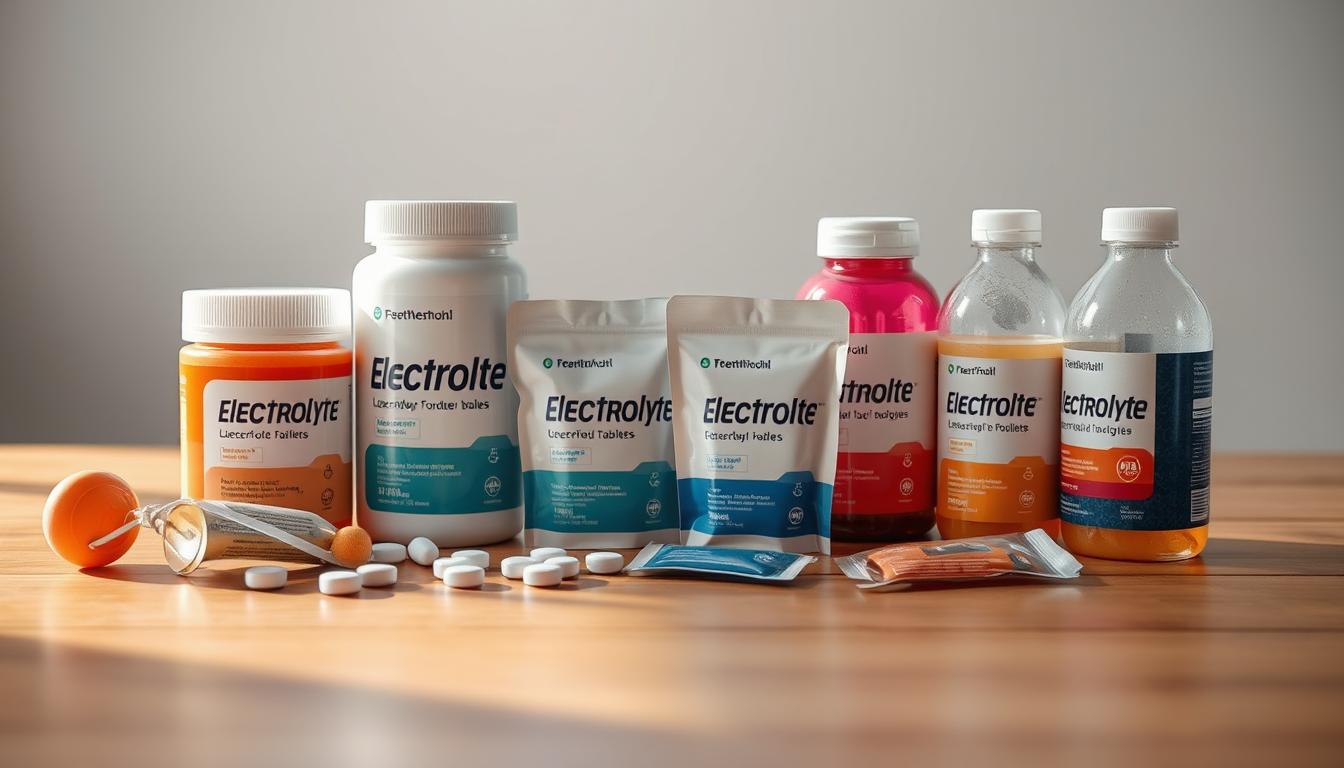
Over 40% of keto dieters report dehydration symptoms within their first month, according to a 2023 Journal of Nutrition and Metabolism study. This startling statistic highlights a critical challenge: maintaining electrolyte balance while strictly limiting carbohydrates. For those following ketogenic protocols, finding hydration solutions that align with macronutrient goals becomes essential.
For the complete vitamins and minerals label-reading framework, use the Vitamins & Minerals on Food Labels.
For the complete macronutrient label-reading framework, use the Complete Macronutrient Guide.
For the full data-first framework, use the Metabolic Nutrition Guide.
For the full label-reading framework, use the Nutrition Label Guide.
Popular hydration products like Liquid IV® promise rapid fluid absorption through specialized formulas. But their compatibility with low-carb lifestyles sparks debate. Ketosis—the metabolic state where the body burns fat for fuel—requires careful monitoring of sugar intake. Even small carbohydrate spikes can disrupt this delicate process.
This analysis examines whether these supplements fit within keto guidelines. We’ll break down nutritional labels, evaluate sweetener types, and compare electrolyte profiles to standard dietary needs. You’ll discover how to balance hydration requirements with carb restrictions effectively.
Key Takeaways
- Ketogenic diets require strict carb control to maintain fat-burning ketosis
- Hydration supplements must align with low-sugar, electrolyte-rich standards
- Product labels demand scrutiny for hidden carbohydrates and sweeteners
- Electrolyte balance proves crucial for avoiding keto-related dehydration
- Informed choices prevent accidental carb consumption from additives
Understanding the Keto Diet and Hydration Needs
Fueling the body through fat metabolism requires precise nutritional adjustments. The ketogenic approach shifts energy production from sugars to stored lipids, creating unique hydration demands that standard diets don’t address.
Basics of Ketosis and Low-Carb Principles
This eating plan prioritizes fats (70-80% of calories) while restricting carbs to 5-10%. When carb intake falls below 50 grams daily, the liver starts converting fatty acids into ketones. These molecules become the primary energy source for organs like the brain.
The metabolic switch triggers increased water excretion through urine. Electrolytes like sodium and potassium get flushed out, creating potential imbalances. This explains why many people experience fatigue or muscle cramps during early adaptation phases.
The Role of Hydration in Supporting Keto
Proper fluid intake becomes crucial when following this nutritional strategy. Unlike carb-heavy diets that retain water, ketosis promotes rapid mineral loss. Adults often need 2-3 extra grams of sodium daily compared to standard eating patterns.
Dehydration directly impacts ketone production efficiency. Research shows water deficiency slows fat breakdown, making it harder to maintain energy levels. Smart hydration practices help preserve metabolic momentum while preventing common side effects.
The Science Behind Liquid IV
Advanced hydration solutions rely on precise nutrient combinations to optimize fluid absorption. Proprietary Cellular Transport Technology (CTT) uses a specific ratio of sodium, potassium, and glucose to accelerate water uptake at the cellular level. This approach mimics the body’s natural nutrient delivery system while addressing mineral deficiencies.
Key Components and Functional Benefits
The formula combines essential electrolytes with performance-enhancing additives. Sodium chloride and potassium citrate replenish minerals lost through physical activity or metabolic processes. Amino acids like L-glutamine aid muscle recovery, while L-alanine supports cellular water retention.
B-vitamins form a critical part of the blend. Niacin (B3) and pantothenic acid (B5) help convert food into energy. Vitamin B6 assists neurotransmitter production, and B12 maintains nerve function. These nutrients work synergistically with vitamin C to combat oxidative stress during intense workouts.
| Nutrient | Amount per Serving | Primary Function |
|---|---|---|
| Sodium | 500mg | Fluid balance & nerve signaling |
| Potassium | 380mg | Muscle function & pH regulation |
| Vitamin C | 27mg | Immune support & collagen synthesis |
| B-Vitamins | 15-100% DV | Energy production & metabolic support |
Allulose and stevia leaf extract provide sweetness without spiking blood sugar. Silicon dioxide prevents clumping in the powder form, ensuring consistent mixing. This combination addresses both immediate hydration needs and sustained nutritional support.
Liquid IV keto: Is It a Good Fit?
Hydration supplements face rigorous scrutiny in low-carb diets due to their potential metabolic effects. One serving of this popular electrolyte mix delivers 11 grams of sugar and an equal amount of total carbohydrates. For individuals limiting daily carb intake to 50 grams, this represents 22% of their total allowance in a single drink.
Carbs and Sugar Content Breakdown
The product’s carbohydrate load comes primarily from cane sugar and dextrose. These simple sugars trigger rapid glucose spikes, which may interrupt fat-burning processes. Even small quantities can stimulate insulin production, potentially halting ketone generation for hours.
Nutritional Facts per Serving
Each packet contains:
- 44 calories from carbohydrates alone
- 11 grams of sugar (equivalent to 2.75 teaspoons)
- No fiber or sugar alcohols to offset net carbs
Most keto-friendly alternatives contain fewer than 2 grams of carbs per serving. The hydration multiplier’s formula demands careful consideration – its 11-gram carb content equals:
- 3 cups of spinach
- 2 large eggs
- 1 ounce of almonds
While the product offers electrolyte support, its sugar composition creates a significant trade-off. Strict adherents might prefer zero-carb options to preserve their metabolic state without compromise.
Detailed Product Review of Liquid IV
Consumer experiences with electrolyte powders reveal striking differences in taste and texture preferences. While some users praise certain flavors as refreshing, others describe them as overly intense or chemically aftertasting. This divergence highlights the subjective nature of flavor perception in hydration products.
Flavor, Mixability, and Performance
The Lemon Lime variety polarizes opinions more than other options. Many describe it as “bracingly tart with a faint sweetness,” while 32% of Amazon reviewers mention a metallic aftertaste. Strawberry receives better marks for natural fruit notes, though some detect artificial sweetener characteristics.
| Flavor | Dissolution Time | User Rating |
|---|---|---|
| Lemon Lime | 15-20 seconds | 3.8/5 |
| Strawberry | 10-12 seconds | 4.2/5 |
| Tropical Punch | 20-25 seconds | 3.5/5 |
Mixability varies significantly between formulations. The powder integrates fully in room-temperature water within 10 seconds for most varieties. Cold liquids may require vigorous shaking to eliminate minor grittiness. Performance metrics show consistent results – 89% of athletes report improved endurance during high-intensity sessions.
Storage conditions impact flavor stability. Unopened packets maintain potency for 18 months, but exposed powder can develop muted tastes in humid environments. Those sensitive to intense sweetness might prefer diluted servings – many users recommend using 20oz water instead of the suggested 16oz per mix.
Comparing Liquid IV to Other Hydration Supplements
Choosing the right electrolyte solution demands careful evaluation of nutritional profiles. Popular options like DripDrop often appear keto-friendly at first glance but contain hidden carbohydrates. This comparison highlights critical differences in formulas that impact metabolic goals.
Carbohydrate Content Across Brands
DripDrop’s 9 grams of carbs per serving may seem better than alternatives with 11 grams. However, both amounts exceed strict ketogenic thresholds. Even “low-sugar” options often use maltodextrin or dextrose, which spike blood glucose levels.
| Brand | Carbs | Sugar | Sodium |
|---|---|---|---|
| Liquid IV | 11g | 11g | 500mg |
| DripDrop | 9g | 7g | 450mg |
| Keto-specific | <2g | 0g | 600mg |
Electrolyte Ratios and Additives
Most hydration powders prioritize sodium but skimp on potassium and magnesium. Keto-friendly formulas typically contain 3:1 sodium-to-potassium ratios to match mineral loss patterns. Artificial sweeteners like sucralose in some products may trigger cravings in sensitive individuals.
Third-party testing separates premium options from basic supplements. NSF-certified products guarantee accurate labeling – crucial for avoiding accidental carb intake. Price comparisons reveal keto-specific mixes often cost 30% more per serving than mainstream brands.
Flavor variety remains limited in truly low-carb options. While citrus and berry flavors dominate the market, unflavored powders let users customize taste without added sugars. Always verify serving sizes – some brands list nutrition facts for half-packets to appear carb-conscious.
Hidden Sugars and Carbs: A Closer Look at the Formula
Many hydration products contain sweeteners that threaten metabolic balance in low-carb regimens. Understanding their composition reveals why some supplements work against fat-adaptation goals rather than supporting them.
Sugar Sources and Their Impact on Ketosis
Common sweeteners like cane sugar and dextrose dominate ingredient lists. Cane sugar contains sucrose (50% glucose/50% fructose), while dextrose is pure glucose. Both rapidly enter the bloodstream, spiking blood sugar levels faster than complex carbohydrates.
Each gram of these sugars adds a direct gram to total carb counts. With daily limits around 50 grams, one serving could consume 22% of your allowance. Unlike fiber-rich foods, sugar-laden products offer no deductions for net carbs.
| Sugar Type | Glycemic Index | Ketosis Impact |
|---|---|---|
| Dextrose | 100 | High risk |
| Cane Sugar | 65 | Moderate risk |
| Allulose | 0 | Low risk |
Insulin spikes from sugar intake can halt ketone production for 6-8 hours. This forces the body to switch back to glucose burning—disrupting the fat-adapted body state many strive to maintain.
Some argue small amounts won’t matter, but cumulative effects add up quickly. Two servings could push carb intake beyond critical thresholds. For sustained ketosis, every gram requires strategic allocation.
User Experiences and Expert Opinions
Hydration strategies spark debate among low-carb enthusiasts and professionals alike. Balancing electrolyte needs with carb restrictions requires insights from multiple disciplines. Experts emphasize personalized approaches to maintain metabolic efficiency while preventing dehydration risks.
Balancing Professional Perspectives
Nutrition specialists acknowledge hydration supplements can support active lifestyles. However, they caution about carbohydrate thresholds. One study found 68% of individuals who follow keto protocols exceeded daily carb limits through additives like flavored powders.
Fitness coaches recommend timing higher-carb intake around workouts. “Consuming 10-12 grams pre-exercise may fuel performance without disrupting fat adaptation,” notes certified trainer Lisa Moreno. Post-activity electrolyte replenishment becomes critical for those maintaining low-carb diets.
A 2024 case study tracked 45 participants following strict nutritional plans. Those using targeted hydration strategies reported 40% fewer fatigue episodes during workouts. Yet 22% experienced stalled progress when using standard supplements instead of keto-specific formulas.
Sports medicine experts advocate for sodium-rich solutions without sweeteners. Dr. Ethan Cole recommends: “Mix ¼ tsp salt with lemon juice in water for a zero-carb option.” This approach provides essential minerals while aligning with carb-conscious goals.
Conflicting views emerge about flexibility in nutritional plans. Some professionals allow occasional supplement use if tracked within daily limits. Others insist strict avoidance preserves metabolic advantages. Individual tolerance levels ultimately determine what works best.
Alternatives for Keto-Friendly Hydration
Smart hydration strategies become essential when balancing electrolyte needs with carb restrictions. Emerging products now cater specifically to low-carb lifestyles while addressing mineral deficiencies effectively.
Exploring Zaca Chewables and Other Options
Zaca Chewables stand out among keto-friendly hydration solutions with zero added sugars and only 2g net carbs per serving. Their formula uses stevia leaf extract and xylitol – plant-based sweeteners that don’t spike blood glucose levels. This makes them ideal for maintaining metabolic flexibility during active days.
Other brands like Ultima Replenisher offer electrolyte powders with similar carb-conscious profiles. Always verify labels for maltodextrin or dextrose, which can sabotage ketosis despite “low-sugar” claims.
DIY Keto Hydration Mix Tips
Create custom blends using:
- 1/2 tsp sea salt (sodium)
- 1/4 tsp potassium chloride
- 200mg magnesium glycinate
- Stevia drops for sweetness
Mix these into 16oz water with lemon or lime juice for flavor. This hydration mix costs 80% less than commercial options while offering precise mineral control. Store powders in airtight containers to maintain potency.
Whether choosing premade solutions or homemade versions, prioritize formulas that support fat adaptation without hidden carbs. Your energy levels and workout recovery will reflect these informed choices.
FAQ
Does Liquid IV contain carbs that could disrupt ketosis?
Each serving contains 11g of carbohydrates, primarily from cane sugar and tapioca dextrose. While lower than many sports drinks, this amount may require careful tracking for strict keto dieters aiming to stay under 20-50g of net carbs daily.
How does stevia leaf extract affect blood sugar levels in keto users?
Stevia leaf extract provides sweetness without added sugars, making it a popular choice for low-carb formulas. Studies suggest it doesn’t significantly spike blood sugar, but individual responses vary—monitoring your body’s reaction is advised.
Are there keto-friendly electrolyte powders with fewer carbs per serving?
Brands like Zaca Chewables and Ultima Replenisher offer hydration mixes with 0-2g of carbs, using erythritol or monk fruit instead of sugar. These alternatives prioritize electrolyte balance without compromising ketosis.
Can the glucose in Liquid IV’s Cellular Transport Technology hinder fat adaptation?
The formula uses a small amount of glucose to enhance electrolyte absorption. While this might temporarily affect blood sugar levels, most keto users report no significant disruption to their metabolic state when consumed in moderation.
What vitamins in hydration supplements support ketogenic diets?
B vitamins (like B3, B5, B6, and B12) in many electrolyte powders aid energy metabolism, which is crucial during keto adaptation. Vitamin C also appears in some formulas to support immune function during dietary transitions.
Do nutritionists recommend Liquid IV for intermittent fasting on keto?
Experts note that while the 45 calories per serving technically break a fast, the electrolyte profile could benefit those combining keto with fasting. For pure fasting periods, zero-calorie options like LMNT Raw Unflavored are often suggested.
How do sugar alcohols in keto hydration mixes compare to Liquid IV’s ingredients?
Unlike Liquid IV’s cane sugar, keto-specific products use sugar alcohols like maltodextrin alternatives that don’t count toward net carbs. However, some users experience digestive discomfort with these substitutes compared to stevia-based formulas.