eNutritionFacts
  • Nutrition Database
    • Nutrition Lookup
    • Nutrition Label Guide
    • Food & Drink Nutrition Facts
      • Fruits
      • Vegetables
      • Grains & Legumes
      • Proteins & Meat
      • Dairy & Alternatives
      • Beverages
      • Oils, Sauces & Condiments
      • Snacks & Packaged Foods
    • Semantic Food Comparison Engine
    • Nutrient Ranking Tool
    • Nutrition Data Methodology
  • Nutrition Topics
    • Nutrition Label Guides
    • Clean Label & Ingredients
    • Preparation Impact
  • Editorial Standards
    • Our Story & Mission
    • Expert Team
    • Editorial Guidelines & Fact-Checking Policy
    • Nutrition Data Methodology
    • Expert Review Policy
    • Corrections & Update Policy
    • Advertising & Affiliate Disclosure
    • Medical Disclaimer
  • Tools
    • Core Tools
      • Nutrition Lookup
      • Food Comparison Engine
      • Recipe Nutrition Calculator
      • Serving Size & %DV Label Converter
    • Research & Interpretation Tools
      • Nutrient Ranking Tool
      • Preparation Impact Estimator
      • Bioavailability Context Explainer
      • Nutrient Interaction Graph Explorer
    • Planning & Synthesis Tools
      • Macro Target Estimator
      • Meal Synthesizer
      • Amino Acid Complementarity Estimator
    • Verification & Governance Tools
      • Nutrient Data Provenance
      • Nutrition Data Provenance Ledger
      • Research Contribution Portal
      • Nutrition datasets
      • Semantic Graph Engine
  • Contact
Recent Posts
  • Steamed vs Boiled Broccoli Nutrition Facts
  • Banana Nutrition Facts: Calories, Vitamins, and Sugar Content
  • Arizona Hard Lemon Iced Tea Nutrition Facts Explained
  • How Many Carbs Are in a Banana? Surprising Facts Revealed
  • Patron Silver Tequila Nutrition Facts
  • Bacardi Superior White Rum Nutrition Facts
  • Why Cooked Foods Can Show More Calories per 100g
  • Liquid IV Ingredients: What Makes It Different from Other Hydration Mixes?
  • Natural Flavors on Food Labels
  • How Protein Helps with Satiety

Categories

  • Additives & Preservatives
  • Beverages
  • Blood Sugar & Glycemic Response
  • Boiled, Steamed & Roasted Foods
  • Claims & Marketing Terms
  • Clean Label & Ingredients
  • Dairy & Alternatives
  • Food & Drink Nutrition Facts
  • Fruits
  • Grains & Legumes
  • Ingredient List Basics
  • Metabolic Nutrition
  • Nutrition Label Guides
  • Oils, Sauces & Condiments
  • Preparation Impact
  • Protein, Satiety & Appetite
  • Proteins & Meat
  • Raw vs Cooked Nutrition
  • Snacks & Packaged Foods
  • Sweeteners & Sugar Terms
  • Vegetables
eNutritionFacts
eNutritionFacts
  • Nutrition Database
    • Nutrition Lookup
    • Nutrition Label Guide
    • Food & Drink Nutrition Facts
      • Fruits
      • Vegetables
      • Grains & Legumes
      • Proteins & Meat
      • Dairy & Alternatives
      • Beverages
      • Oils, Sauces & Condiments
      • Snacks & Packaged Foods
    • Semantic Food Comparison Engine
    • Nutrient Ranking Tool
    • Nutrition Data Methodology
  • Nutrition Topics
    • Nutrition Label Guides
    • Clean Label & Ingredients
    • Preparation Impact
  • Editorial Standards
    • Our Story & Mission
    • Expert Team
    • Editorial Guidelines & Fact-Checking Policy
    • Nutrition Data Methodology
    • Expert Review Policy
    • Corrections & Update Policy
    • Advertising & Affiliate Disclosure
    • Medical Disclaimer
  • Tools
    • Core Tools
      • Nutrition Lookup
      • Food Comparison Engine
      • Recipe Nutrition Calculator
      • Serving Size & %DV Label Converter
    • Research & Interpretation Tools
      • Nutrient Ranking Tool
      • Preparation Impact Estimator
      • Bioavailability Context Explainer
      • Nutrient Interaction Graph Explorer
    • Planning & Synthesis Tools
      • Macro Target Estimator
      • Meal Synthesizer
      • Amino Acid Complementarity Estimator
    • Verification & Governance Tools
      • Nutrient Data Provenance
      • Nutrition Data Provenance Ledger
      • Research Contribution Portal
      • Nutrition datasets
      • Semantic Graph Engine
  • Contact
nutrl watermelon nutrition facts
  • Beverages
  • Food & Drink Nutrition Facts

nutrl Watermelon Nutrition Facts: What You Need to Know

  • June 16, 2026
  • Dania Rizvi

Picture this: It’s a sweltering summer afternoon, and you’re reaching for a crisp, fruity drink to cool off. You want something light but satisfying – a beverage that fits your active lifestyle without compromising on flavor. This exact moment is why many adults turn to vodka seltzers, seeking that perfect balance between refreshment and mindful consumption.

For the beverage group index and source-basis notes, use the Beverages Nutrition Facts.

Today’s health-conscious drinkers demand more than just great taste. They crave transparency about what’s in their glass – the calories they’re consuming, the ingredients they’re ingesting, and how these choices align with their wellness goals. This guide cuts through the noise to give you evidence-based insights about a popular option in the ready-to-drink market.

What makes this particular product stand out? Its formula combines real fruit juice with premium vodka and sparkling water, avoiding artificial additives. At 100 calories per can and 4.5% alcohol content, it exemplifies how modern brands are redefining accessible indulgence. We’ll explore how ingredient quality directly impacts both flavor profiles and nutritional value, empowering you to make informed decisions.

Key Takeaways

Contents

    • 0.1 Key Takeaways
  • 1 About nutrl Watermelon: An Overview
    • 1.1 Crafted for Authentic Taste
    • 1.2 Who Chooses This Beverage?
  • 2 nutrl watermelon nutrition facts: In-Depth Look
    • 2.1 Caloric Content and Key Nutrients
    • 2.2 Ingredient Breakdown
    • 2.3 Health and Lifestyle Benefits
  • 3 Ingredients, Flavors, and the nutrl Experience
    • 3.1 Exploring Real Ingredients and Taste Profiles
    • 3.2 Why Enjoy Responsibly is Important
  • 4 Conclusion
  • 5 FAQ
    • 5.1 Q: How many calories are in nutrl Watermelon Vodka Seltzer?
    • 5.2 Q: What ingredients give nutrl Watermelon its flavor?
    • 5.3 Q: Is nutrl Watermelon available nationwide in the U.S.?
    • 5.4 Q: Why does nutrl emphasize “enjoy responsibly”?
    • 5.5 Q: Does nutrl Watermelon contain added sugars?
    • 5.6 Q: How does the brand ensure accessibility for all users?
    • 5.7 Q: What makes nutrl’s flavor profile stand out?
    • 5.8 Q: Where can I find detailed nutritional information?
  • Contains 100 calories per serving with 4.5% alcohol by volume
  • Made with real vodka and fruit juice instead of artificial flavors
  • Prioritizes simple, recognizable ingredients over complex formulas
  • Helps adults balance social drinking with health-conscious choices
  • Provides clear nutritional data for informed dietary planning

About nutrl Watermelon: An Overview

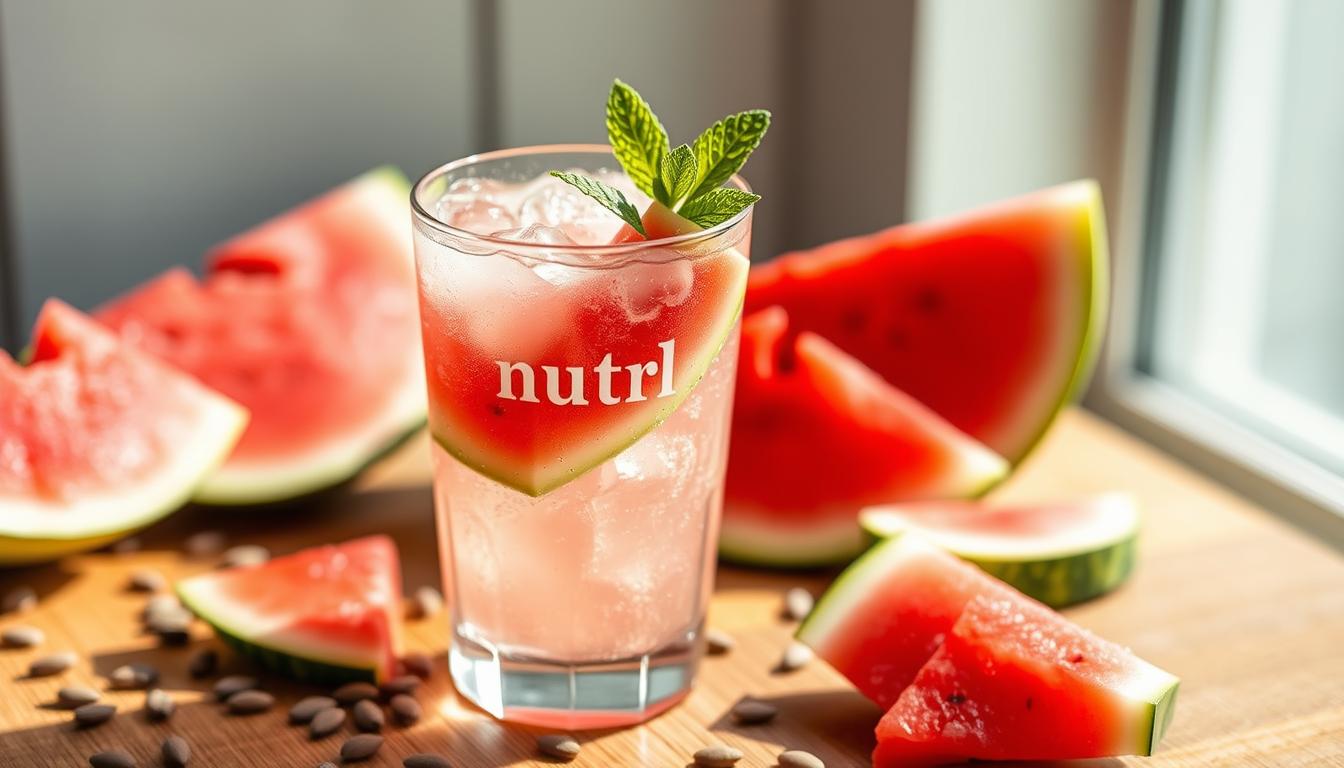
In a market flooded with sugary cocktails and artificial mixers, one vodka seltzer stands out by keeping things simple. The brand’s approach combines real juice with premium spirits and sparkling water, creating beverages that taste like summer in a can.

Crafted for Authentic Taste

With fourteen distinct options, the flavor lineup caters to diverse preferences. The watermelon variety captures juicy sweetness without overpowering sweetness, pairing natural fruit extracts with crisp carbonation. Other popular choices include zesty lime and tart cranberry blends, all free from synthetic additives.

Who Chooses This Beverage?

Health-focused adults gravitate toward this product for its straightforward ingredient list. At 100 calories per serving, it fits into balanced lifestyles while delivering a refreshing kick. The brand’s emphasis on accessibility means you’ll find these cans at major retailers nationwide, from grocery chains to convenience stores.

For those seeking specific information, the company’s website features a store locator tool. This ensures effortless discovery of nearby stockists, aligning with modern consumers’ demand for convenience without compromising quality.

nutrl watermelon nutrition facts: In-Depth Look

Modern beverage choices require more than just flavor appeal—they demand nutritional clarity. This analysis reveals how quality components create a balanced profile for conscious consumers.

Caloric Content and Key Nutrients

At 100 calories per can, this drink offers a lighter option than most beers or mixed cocktails. The 4.5% alcohol by volume (ABV) strikes a balance between refreshment and responsible enjoyment. Unlike sugary alternatives, these calories primarily come from alcohol rather than added sweeteners.

Ingredient Breakdown

Three core ingredients define the formula: real vodka distilled from premium grains, crisp seltzer, and natural fruit extracts. The absence of artificial flavors or colors aligns with growing consumer demand for transparency. Vegan and gluten-free certifications further broaden its accessibility.

Health and Lifestyle Benefits

The combination of real juice and simple components supports various dietary needs. Low-carb enthusiasts appreciate the sugar-free formulation, while the 100-calorie count aids portion control. Natural antioxidants from fruit sources add subtle nutritional value beyond basic hydration.

READ ALSO  Guide to Understanding Interesting Nutrition Facts

This approach demonstrates how modern beverages can deliver both taste and nutritional information without compromise. By prioritizing quality over complexity, it meets evolving consumer expectations in the ready-to-drink market.

Ingredients, Flavors, and the nutrl Experience

Crafting a beverage that satisfies both flavor seekers and health-minded individuals requires precision. The intersection of quality components and intentional design defines what sets certain drinks apart in a crowded market.

Exploring Real Ingredients and Taste Profiles

Superior vodka forms the backbone of this beverage’s character. Distilled from premium grains, it provides a clean base that avoids the harshness found in lower-quality spirits. When paired with real juice extracts, the result is a crisp flavor profile that mirrors freshly sliced fruit.

Ingredient Type Flavor Impact Competitor Comparison
Real Vodka Smooth alcohol base Often uses neutral grain spirits
Natural Fruit Extracts Authentic sweetness Artificial flavor systems
Sparkling Water Refreshing finish Added sweeteners

The great taste comes from balancing three elements: natural sweetness from fruit sources, subtle acidity for brightness, and precise carbonation levels. This harmony creates a drinking experience that feels both indulgent and refreshingly light.

Why Enjoy Responsibly is Important

Moderation enhances every social occasion. With 4.5% ABV per serving, this beverage supports measured consumption while delivering consistent flavors. Pairing drinks with food and alternating with water helps maintain both safety and enjoyment.

The brand’s commitment to responsibility extends beyond the can. Clear labeling empowers consumers to track intake, while the “Keep It Tasty” philosophy reminds users that quality ingredients deserve mindful appreciation. For specific guidance, contact @nutrl or call 1-800-342-5283.

Conclusion

Today’s drinkers want beverages that align with their values – quality ingredients, calorie-conscious formulas, and effortless accessibility. This vodka seltzer delivers precisely that, blending premium spirits with natural flavors for guilt-free enjoyment. Its nutritional profile supports mindful consumption without compromising on crisp, refreshing taste.

The product’s vegan and gluten-free certifications reinforce its commitment to inclusive accessibility. Nationwide availability ensures anyone can find these cans at local retailers or through the brand’s store locator tool. Clear labeling and transparent information empower you to make choices that fit your lifestyle.

For deeper insights, explore the company’s website featuring detailed FAQs and customer service touchpoints. Whether you’re planning a gathering or unwinding after work, understanding what’s in your drink matters. This vodka seltzer proves you don’t need artificial additives to create something authentically satisfying.

Prioritizing accessibility and honesty, the brand sets a new standard for ready-to-drink options. When information meets intention, every sip becomes a conscious celebration of balance.

FAQ

Q: How many calories are in nutrl Watermelon Vodka Seltzer?

A: Each serving contains 100 calories. The beverage balances flavor with mindful calorie content, making it a lighter choice compared to traditional cocktails.

Q: What ingredients give nutrl Watermelon its flavor?

A: The product combines real vodka, real juice, and seltzer. Natural watermelon essence enhances the taste without artificial sweeteners or additives.

Q: Is nutrl Watermelon available nationwide in the U.S.?

A: Yes, it’s widely accessible across the United States. Check local retailers or the brand’s website for specific store availability and delivery options.

Q: Why does nutrl emphasize “enjoy responsibly”?

A: As an alcoholic beverage, moderation is key. The statement aligns with industry standards and promotes safe drinking habits while highlighting the product’s lower ABV (alcohol by volume).

Q: Does nutrl Watermelon contain added sugars?

A: No. The sweetness comes naturally from real juice, avoiding refined sugars. This aligns with its appeal to health-conscious consumers seeking transparency in ingredients.

Q: How does the brand ensure accessibility for all users?

A: nutrl provides an accessibility statement on its website, detailing compliance with ADA standards. This includes screen reader compatibility and user-friendly navigation.

Q: What makes nutrl’s flavor profile stand out?

A: The crisp blend of watermelon juice and seltzer creates a refreshing, not overly sweet taste. Real ingredients ensure authenticity, distinguishing it from artificially flavored alternatives.

Q: Where can I find detailed nutritional information?

A: Visit nutrl’s official website for a full breakdown of nutrition facts, ingredient lists, and answers to common questions under the “FAQs” or “Product Details” sections.

Dania Rizvi
Dania Rizvi

Dania Rizvi is a meticulous Nutrition Researcher and data journalist. She specializes in extracting, structuring, and analyzing complex micro and macronutrient profiles for eNutritionFacts.com. Read full author profile

Previous Article
Generic branded-food nutrition label setup for Jack Daniel's Jack Daniel's Old No. 7 Whiskey
  • Beverages
  • Food & Drink Nutrition Facts

Jack Daniel’s Old No. 7 Whiskey Nutrition Facts

  • June 16, 2026
  • Joana Malheiro
Read More
Next Article
Raw vs Cooked Rice Nutrition Facts clean editorial nutrition education image
  • Raw vs Cooked Nutrition
  • Preparation Impact

Raw vs Cooked Rice Nutrition Facts

  • June 25, 2026
  • Dania Rizvi
Read More

Leave a Reply Cancel reply

Your email address will not be published. Required fields are marked *

Latest nutrition guides

Steamed vs Boiled Broccoli Nutrition Facts clean editorial nutrition education image

Steamed vs Boiled Broccoli Nutrition Facts

Steamed vs Boiled Broccoli Nutrition Facts explained with cautious educational wording, internal links, methodology context, and saved-post review-ready…

banana nutrition facts

Banana Nutrition Facts: Calories, Vitamins, and Sugar Content

Discover the ultimate banana nutrition facts guide. Learn about calories, vitamins, and sugar content in bananas, and understand…

arizona hard lemon iced tea nutrition facts

Arizona Hard Lemon Iced Tea Nutrition Facts Explained

Arizona Hard Lemon Iced Tea nutrition facts revealed. Dive into the details on calories, sugar, and other key…

carbs in banana

How Many Carbs Are in a Banana? Surprising Facts Revealed

Discover the truth about carbs in banana and how they impact your diet. Learn more in our ultimate…

Generic branded-food nutrition label setup for Patrón / Bacardi Patron Silver Tequila

Patron Silver Tequila Nutrition Facts

Patron Silver Tequila nutrition facts from USDA FoodData Central Branded Foods: calories, serving size, label values, ingredients when…

Generic branded-food nutrition label setup for Bacardi Bacardi Superior White Rum

Bacardi Superior White Rum Nutrition Facts

Bacardi Superior White Rum nutrition facts from USDA FoodData Central Branded Foods: calories, serving size, label values, ingredients…

Why Cooked Foods Can Show More Calories per 100g clean editorial nutrition education image

Why Cooked Foods Can Show More Calories per 100g

Why Cooked Foods Can Show More Calories per 100g explained with cautious educational wording, internal links, methodology context,…

Liquid IV Ingredients

Liquid IV Ingredients: What Makes It Different from Other Hydration Mixes?

Liquid IV Ingredients: What Makes It Different from Other Hydration Mixes? explained with cautious educational wording, internal links,…

About eNutritionFacts
About Us
Our Expert Team
Contact
Sitemap
Editorial Standards
Editorial Guidelines
Nutrition Data Methodology
Expert Review Policy
Corrections & Updates Policy
Legal & Disclaimers
Medical Disclaimer
FTC & Affiliate Disclosure
Privacy Policy & Cookie Policy
Terms of Use
eNutritionFacts

© 2026 eNutritionFacts. All rights reserved. eNutritionFacts is owned and operated by FFMarketing.

Content on this site is provided for educational and informational purposes only and is not medical advice. eNutritionFacts may earn revenue from display ads, affiliate links, sponsored placements, or other commercial relationships. These relationships do not control our nutrition data, editorial standards, review policies, or correction decisions.

Input your search keywords and press Enter.