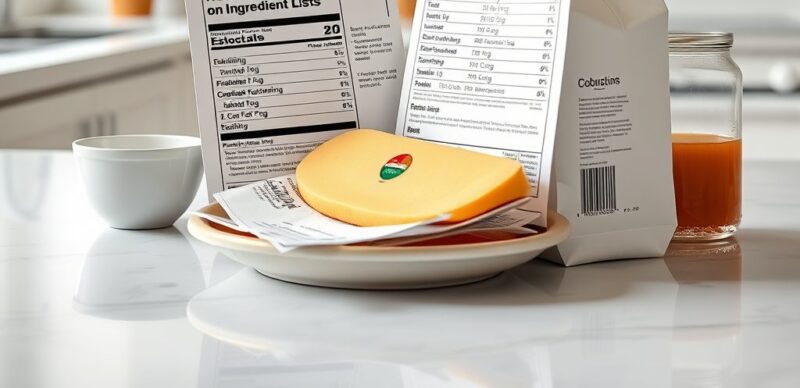
High-fructose corn syrup (HFCS) on an ingredient list identifies a sweetener made from corn starch that has been enzymatically processed to convert some of its glucose into fructose. The term appears in packaged foods, beverages, condiments, baked goods, and dairy products. HFCS typically contains 42% or 55% fructose, with the remainder being glucose and water. When you see this ingredient listed, it indicates the product contains added sugars that contribute to the total sugars and added sugars values on the Nutrition Facts panel. The position of HFCS in the ingredient list reflects its weight proportion in the product; ingredients are listed in descending order by weight, so HFCS near the beginning signals a higher concentration. Understanding this term helps you compare similar products and make informed decisions about added sugar intake.
What High-Fructose Corn Syrup Means on the Label
High-fructose corn syrup is a liquid sweetener produced by treating corn starch with enzymes that convert glucose molecules into fructose. The U.S. Food and Drug Administration (FDA) recognizes HFCS as Generally Recognized as Safe (GRAS) for use in food. Manufacturers use HFCS because it blends easily into liquids, extends shelf life, and costs less than cane or beet sugar in many applications.
Two main commercial forms exist: HFCS-42, which contains approximately 42% fructose and 58% glucose, and HFCS-55, which contains approximately 55% fructose and 45% glucose. HFCS-42 appears frequently in processed foods, baked goods, and canned fruits. HFCS-55 is common in soft drinks and beverages because its sweetness profile closely resembles sucrose (table sugar), which is 50% fructose and 50% glucose.
The ingredient list does not specify whether the product contains HFCS-42 or HFCS-55. Both are labeled simply as “high-fructose corn syrup.” The fructose-to-glucose ratio matters primarily for manufacturing and sweetness intensity, but both forms contribute calories and added sugars identically on the Nutrition Facts panel—4 calories per gram.
Serving Size and Percent Daily Value Context
The Nutrition Facts panel displays total sugars and added sugars in grams per serving, along with a percent Daily Value (%DV) for added sugars. The FDA sets the Daily Value for added sugars at 50 grams per day, based on a 2,000-calorie reference diet. If a serving contains 10 grams of added sugars from HFCS and other sweeteners, the label shows 20% DV.
Serving sizes are standardized by the FDA using Reference Amounts Customarily Consumed (RACCs). A single serving of soda is 12 fluid ounces (360 mL), while a serving of ketchup is 1 tablespoon (17 g). When HFCS appears high on the ingredient list, even a small serving may deliver a substantial portion of the 50-gram daily reference.
Compare products using the same serving size. A breakfast cereal listing HFCS as the second ingredient and showing 12 grams of added sugars per 30-gram serving delivers 24% DV. A competing cereal with HFCS listed fifth and 6 grams of added sugars per 30-gram serving provides 12% DV. The ingredient-list position and the Nutrition Facts panel work together to reveal the product’s sugar load.
Common Comparison Mistakes
One frequent error is assuming that HFCS is categorically different from other added sugars in terms of calorie contribution or metabolic impact at equivalent doses. Sucrose, HFCS-55, honey, agave nectar, and maple syrup all provide approximately 4 calories per gram and contain varying ratios of fructose and glucose. The body processes these sugars through similar pathways once digested.
Another mistake is ignoring total added sugars when multiple sweeteners appear in the ingredient list. A product may list cane sugar, HFCS, and honey separately, each in a lower position, yet the combined added-sugars total on the Nutrition Facts panel may be high. Always check the gram amount and %DV for added sugars rather than relying solely on ingredient-list order.
Some readers compare HFCS-containing products to “natural” alternatives without reviewing the added-sugars line. A beverage sweetened with organic cane sugar and one sweetened with HFCS may deliver identical added-sugars grams per serving. The source of the sugar does not change its caloric density or its contribution to daily intake limits.
Portion size also affects interpretation. A condiment with HFCS listed first may contribute only 4 grams of added sugars per tablespoon, while a beverage with HFCS listed second may deliver 39 grams per 12-ounce serving. Always multiply the per-serving added sugars by the number of servings you consume.
Regulatory and Labeling Standards
The FDA requires that high-fructose corn syrup be listed by its common or usual name in the ingredient statement. Manufacturers cannot use vague terms such as “corn sweetener” or “fructose syrup” without specifying HFCS if the product meets the regulatory definition. The Code of Federal Regulations (21 CFR 184.1866) establishes the conditions under which HFCS is GRAS.
All added sugars, including HFCS, must be declared on the Nutrition Facts panel under “Added Sugars” with a corresponding %DV. This requirement took effect in 2021 for most manufacturers. The added-sugars line includes HFCS, cane sugar, honey, syrups, fruit juice concentrates added for sweetness, and other caloric sweeteners.
Organic products may not contain HFCS because corn syrup production typically involves genetically modified corn and enzymatic processing methods not permitted under USDA organic standards. If a product carries the USDA Organic seal, you will not see HFCS in the ingredient list. Instead, organic products use organic cane sugar, organic honey, or organic fruit juice concentrates as sweeteners.
When to Use the Nutrition Lookup Tool
Use the Nutrition Lookup tool when you want to compare the added-sugars content of branded products or verify FDC ID records for specific formulations. The tool links to USDA FoodData Central entries, which provide gram-level breakdowns of total sugars, added sugars, and other carbohydrates.
For example, searching for “cola beverage” returns FDC records showing total sugars and added sugars per 100 mL or per serving. You can compare these values across different brands and formulations, including those sweetened with HFCS, cane sugar, or non-nutritive sweeteners. The tool does not interpret health outcomes but offers source-linked data for your own comparison.
If you are evaluating a condiment, breakfast cereal, or yogurt with HFCS, the Nutrition Lookup tool helps you see how that product’s added-sugars load compares to similar items. This is especially useful when ingredient lists show multiple sweeteners and you need a clear gram-per-serving figure.
Ingredient-List Position and Concentration
Ingredients are listed in descending order by weight at the time of manufacture. If HFCS appears first, it is the predominant ingredient by weight. If it appears fifth, four other ingredients outweigh it. This order provides a rough estimate of concentration but does not reveal exact percentages.
Water is often the first ingredient in beverages, followed by HFCS or another sweetener. In a typical soft drink, water may constitute 85–90% by weight, HFCS 10–12%, and flavorings, acids, and preservatives the remainder. The ingredient list alone does not quantify these proportions; the Nutrition Facts panel provides the gram amount of added sugars per serving.
Some products split sweeteners to move each lower in the ingredient list. A cereal might list sugar, HFCS, and honey separately, each contributing a smaller weight than the grain ingredient listed first. The combined added-sugars total on the Nutrition Facts panel reveals the true sweetener load, regardless of how many different sources appear.
Practical Checklist for Reading HFCS on Labels
- Locate HFCS in the ingredient list: Note its position relative to other ingredients to estimate concentration by weight.
- Check the Nutrition Facts panel: Find the “Added Sugars” line under “Total Sugars” and note grams per serving and %DV.
- Verify serving size: Confirm the serving size matches what you actually consume; adjust totals if you eat or drink more than one serving.
- Compare similar products: Use the same serving size to compare added-sugars grams across brands and formulations.
- Look for multiple sweeteners: If the ingredient list includes sugar, HFCS, honey, or syrups, sum the added-sugars grams on the Nutrition Facts panel rather than evaluating each sweetener separately.
- Consider frequency and portion: A condiment with HFCS used sparingly contributes less daily added sugars than a beverage consumed in large volumes.
Comparison with Other Sweeteners
Sucrose (table sugar) is 50% fructose and 50% glucose. HFCS-55 is 55% fructose and 45% glucose, making its fructose-to-glucose ratio slightly higher. HFCS-42 is 42% fructose and 58% glucose, making it slightly lower in fructose than sucrose. These differences are small and do not change the caloric density—all provide 4 calories per gram.
Honey contains approximately 38% fructose and 31% glucose, with water and trace enzymes making up the remainder. Agave nectar can contain 70–90% fructose, depending on processing. Maple syrup is primarily sucrose with small amounts of glucose and fructose. Each sweetener contributes to the added-sugars line on the Nutrition Facts panel and counts toward the 50-gram Daily Value.
Non-nutritive sweeteners such as sucralose, aspartame, stevia extracts, and monk fruit extract do not appear on the added-sugars line because they contribute negligible or zero calories. Products labeled “sugar-free” or “zero sugar” may still list these sweeteners in the ingredient list, but the Nutrition Facts panel will show 0 grams of added sugars.
Label Claims and Marketing Language
A product labeled “no high-fructose corn syrup” may still contain other added sugars such as cane sugar, honey, or fruit juice concentrates. Always check the added-sugars line to see the total gram amount per serving. Marketing claims focus on specific ingredients but do not necessarily reduce overall sweetener content.
Terms such as “made with real sugar” or “pure cane sugar” indicate the absence of HFCS but do not imply lower added-sugars totals. A beverage sweetened with cane sugar may deliver the same or more added sugars per serving as one sweetened with HFCS. Compare the Nutrition Facts panels side by side.
Organic certification prohibits HFCS, so any product with the USDA Organic seal will use alternative sweeteners. However, organic cane sugar, organic honey, and organic agave nectar all contribute added sugars and calories in the same way as their conventional counterparts.
Frequently Asked Questions
Does HFCS always mean the product is less suitable?
No. HFCS contributes calories and added sugars identically to sucrose, honey, or other caloric sweeteners at equivalent doses. The suitability of a product depends on total added-sugars grams per serving, portion size, and how often you consume it, not solely on the presence of HFCS.
Can I tell from the ingredient list how much HFCS is in the product?
The ingredient list shows relative order by weight but not exact percentages. The Nutrition Facts panel provides the gram amount of added sugars per serving, which includes HFCS and any other sweeteners. Use that figure for quantitative comparison.
Is HFCS-55 different from HFCS-42 on the label?
Both are labeled simply as “high-fructose corn syrup.” The fructose percentage differs slightly, but both contribute 4 calories per gram and appear on the added-sugars line. The label does not distinguish between the two forms.
What if HFCS appears with other sweeteners in the same product?
Check the Nutrition Facts panel for total added sugars. Multiple sweeteners listed separately may combine to deliver a high added-sugars total. The panel sums all sources, giving you a single gram figure per serving.
Does “no HFCS” mean the product has less added sugar?
Not necessarily. A product without HFCS may use cane sugar, honey, or other sweeteners in equal or greater amounts. Always compare the added-sugars grams per serving on the Nutrition Facts panel.
How does HFCS affect the %DV for added sugars?
HFCS contributes to the added-sugars total, which is expressed as a percentage of the 50-gram Daily Value. If a serving contains 10 grams of added sugars from HFCS and other sources, the label shows 20% DV.
Additional Resources
For broader context on ingredient-list interpretation and clean-label considerations, see the Clean Label & Ingredients category. To understand how eNutritionFacts applies expert review to ingredient and label content, visit the Expert Review Policy.
Sources and Methodology
This label guide draws on FDA regulations for ingredient labeling (21 CFR 101.4), the Code of Federal Regulations entry for high-fructose corn syrup (21 CFR 184.1866), and the FDA’s guidance on added-sugars labeling under the updated Nutrition Facts panel rules. Fructose and glucose percentages for HFCS-42 and HFCS-55 are based on industry-standard formulations documented in food-science literature and USDA FoodData Central records.
No specific FDC IDs or PubMed citations are invented. When numeric values for added sugars or serving sizes are shown, they reflect FDA Reference Amounts Customarily Consumed (RACCs) and typical product formulations available in FoodData Central. For detailed data methodology and source-linking practices, see the Data Methodology page.
Written by Joana Malheiro. Scientifically reviewed by Ana Valente.
Educational Disclaimer
This label guide is intended for educational purposes and does not constitute medical, dietary, or health advice. Individual nutrition needs vary based on age, activity level, health status, and other factors. For personalized guidance—especially if you have diabetes, metabolic conditions, or other health concerns—consult a registered dietitian, physician, or qualified healthcare provider. eNutritionFacts does not diagnose, treat, or prescribe. For full terms, see the Medical Disclaimer.