eNutritionFacts
  • Nutrition Topics
    • Nutrition Label Guides
    • Preparation Impact
    • Clean Label & Ingredients
  • About Us
    • Our Story & Mission
    • Expert Team
  • Editorial Standards
    • Editorial Guidelines & Fact-Checking Policy
    • Nutrition Data Methodology
  • Contact
Recent Posts
  • What Does Added Sugar Mean on a Nutrition Label?
  • What Does Percent Daily Value Mean on a Nutrition Label?
  • What Does Serving Size Mean on a Nutrition Label?
  • How to Read Nutrition Facts Labels
  • What Are Ultra-Processed Foods? The NOVA Classification Explained
  • Raw vs Cooked Spinach Nutrition Facts
  • How Cooking Changes Nutrition Facts: Raw vs Cooked Food Data Explained
  • Liquid IV vs Gatorade: Which Absorbs Faster?
  • Liquid IV Nutrition Facts & Daily Value Goals Explained
  • Liquid IV Side Effects & Warnings for Diabetics, Pregnant Women, and More

Categories

  • Clean Label & Ingredients
  • Nutrition Label Guides
  • Preparation Impact
eNutritionFacts
eNutritionFacts
  • Nutrition Topics
    • Nutrition Label Guides
    • Preparation Impact
    • Clean Label & Ingredients
  • About Us
    • Our Story & Mission
    • Expert Team
  • Editorial Standards
    • Editorial Guidelines & Fact-Checking Policy
    • Nutrition Data Methodology
  • Contact

Clean Label & Ingredients

1 post
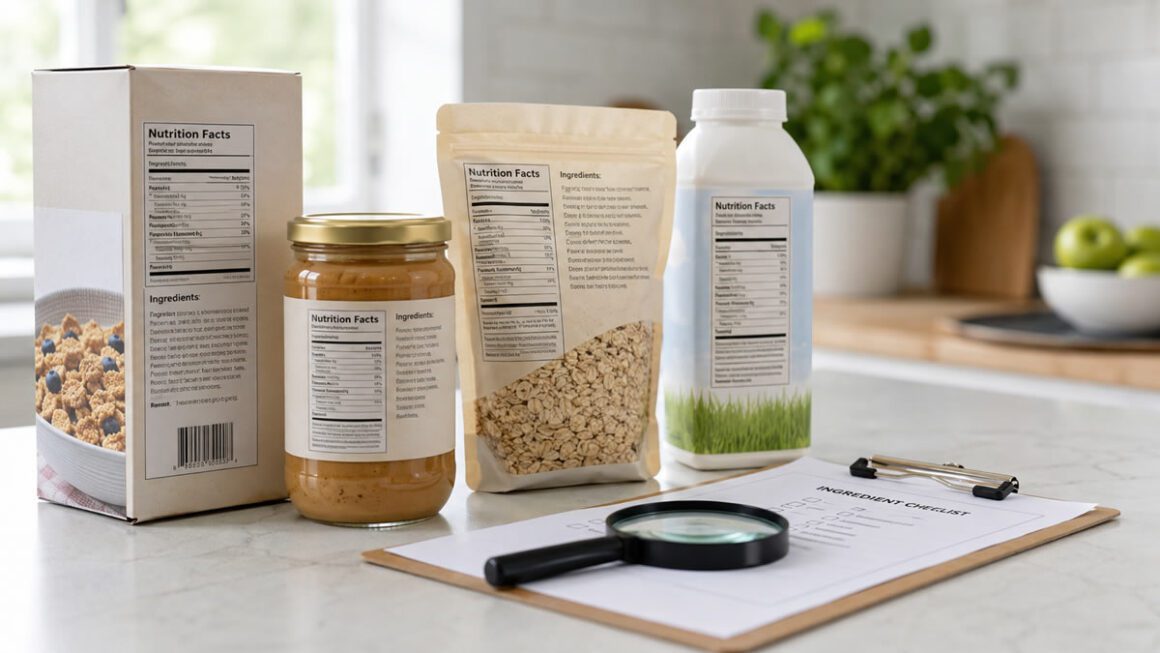
Packaged food labels and ingredient lists arranged for clean label and ingredient comparison

Clean Label & Ingredients is the eNutritionFacts hub for understanding ingredient lists, packaged-food claims, food additives, ultra-processed foods, and clean-label language. This category helps readers look beyond the front of the package and understand what food labels actually say.

Category Focus:

This section focuses on practical ingredient-label literacy. Articles explain terms such as ultra-processed foods, natural flavors, preservatives, food dyes, added sugars, and clean-label claims without turning those topics into fear-based advice or simple “good food vs bad food” rankings.

Food labels can be difficult to interpret because marketing language, ingredient names, serving sizes, and nutrition claims are often mixed together on the same package. A product may look simple from the front label while still requiring a closer look at the ingredient list, nutrition facts panel, preparation details, and source notes.

Articles in this category may cover ultra-processed food classification, additive and food dye explainers, ingredient-list guides, clean-label comparisons, and better-for-you product swaps. The goal is to help readers compare foods more clearly using cautious, evidence-aware explanations.

This category does not provide medical advice and does not claim that a food is automatically healthy or unhealthy based only on one ingredient, one additive, or one label claim. For higher-risk topics, eNutritionFacts uses review-gated publishing and careful source notes to keep the content educational, balanced, and transparent.

Generic packaged foods and whole ingredients arranged for ultra-processed food label comparison
Read More

What Are Ultra-Processed Foods? The NOVA Classification Explained

  • May 13, 2026
  • Joana Malheiro

Latest Nutrition Guides

Generic nutrition facts label with sugar spoon and checklist for added sugar comparison

What Does Added Sugar Mean on a Nutrition Label?

Added sugar on a Nutrition Facts label refers to sugars added during food processing or preparation. It is listed separately...

Generic nutrition facts label with checklist for Percent Daily Value comparison

What Does Percent Daily Value Mean on a Nutrition Label?

Percent Daily Value, often shown as %DV, helps explain how much a nutrient in one serving of food contributes to...

Generic food package with nutrition facts label beside measuring tools for serving size comparison

What Does Serving Size Mean on a Nutrition Label?

Serving size is the amount of food or drink used as the basis for the Nutrition Facts label. Calories, nutrients,...

Generic packaged food with nutrition facts panel and ingredient list for label reading

How to Read Nutrition Facts Labels

Nutrition Facts labels can look simple at first, but they contain several pieces of information that need to be read...

Generic packaged foods and whole ingredients arranged for ultra-processed food label comparison

What Are Ultra-Processed Foods? The NOVA Classification Explained

Ultra-processed foods are packaged or industrially made foods that usually contain ingredients, additives, or manufacturing steps not commonly used in...

Raw spinach leaves beside cooked spinach in a bowl for a nutrition facts comparison

Raw vs Cooked Spinach Nutrition Facts

Raw and cooked spinach can look very different in nutrition facts, especially when the comparison is made by cup. The...

Raw and cooked foods displayed side by side to illustrate how preparation methods can change nutrition facts.

How Cooking Changes Nutrition Facts: Raw vs Cooked Food Data Explained

Bottom line: Cooking can change how nutrition facts are measured by altering food weight, water content, serving size, and the...

Liquid IV vs gatorade

Liquid IV vs Gatorade: Which Absorbs Faster?

Compare Liquid IV vs Gatorade: Discover which hydration drink absorbs faster and provides better hydration for you.

About eNutritionFacts
About Us
Our Expert Team
Contact
Sitemap
Editorial Standards
Editorial Guidelines
Nutrition Data Methodology
Expert Review Policy
Corrections & Updates Policy
Legal & Disclaimers
Health & Medical Disclaimer
FTC & Affiliate Disclosure
Privacy Policy & Cookie Policy
Terms of Use
eNutritionFacts

© 2026 eNutritionFacts. All rights reserved. eNutritionFacts is owned and operated by FFMarketing.

Content on this site is provided for educational and informational purposes only and is not medical advice. eNutritionFacts may earn revenue from display ads, affiliate links, sponsored placements, or other commercial relationships. These relationships do not control our nutrition data, editorial standards, review policies, or correction decisions.

Input your search keywords and press Enter.