For the full data-first framework, use the Metabolic Nutrition Guide.
For the full evidence-aware framework, use the Healthy Aging Nutrition Guide.
Did you know the average American eats roughly 27 pounds of one tropical fruit annually – equivalent to 90 individual servings? This staple food, belonging to the Musaceae plant family, undergoes dramatic chemical transformations as it ripens, altering its health benefits in ways most consumers never consider.
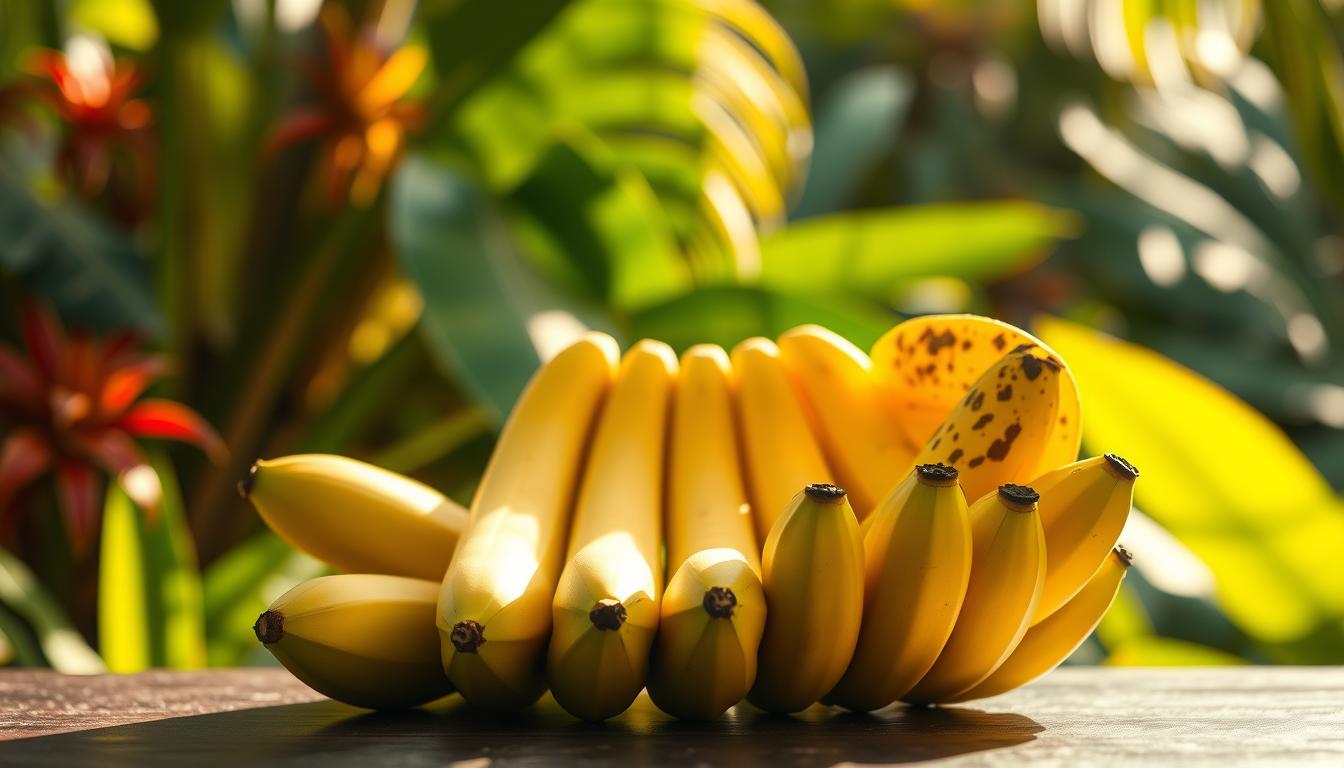
The familiar yellow variety found in U.S. supermarkets – the Cavendish – contains different nutrients at various ripeness levels. Green specimens pack resistant starch that aids digestion, while spotted ones develop antioxidants like dopamine. Even the peel’s color serves as a visual nutrient indicator.
Contrary to popular belief, these potassium-rich snacks don’t negatively impact blood sugar when consumed appropriately. Their glycemic response actually decreases as they mature, thanks to complex carbohydrate conversions. This guide breaks down how timing your consumption based on ripeness can align with specific wellness goals.
Key Takeaways
- Ripeness dramatically alters starch/sugar ratios and vitamin content
- Green varieties offer prebiotic benefits for gut health
- Potassium levels remain consistent across maturity stages
- Common sugar content myths lack scientific support
- Global consumption patterns influence commercial varieties
From Southeast Asian origins to modern global dominance, this fruit’s journey reveals surprising connections between cultivation practices and nutritional value. We’ll analyze peer-reviewed studies to separate food fads from facts, empowering you to make informed dietary decisions.
Understanding Banana Nutrition Facts
This tropical fruit’s nutritional profile shifts dramatically from harvest to table. Knowing what’s inside helps match consumption to personal health objectives.
Key Nutritional Components
A medium 118-gram piece contains 105 calories and 88.4 grams of water – nearly 75% of its weight. The balance delivers essential elements:
| Nutrient | Amount | Key Benefit |
|---|---|---|
| Carbohydrates | 26.9g | Sustained energy |
| Fiber | 3.07g | Digestive support |
| Potassium | 450mg | Muscle function |
| Sugars | 14.4g | Quick fuel |
Ripeness Changes What You Get
Unripe specimens contain more starch than sugar – about 80% complex carbs. As they yellow, enzymes convert starch into glucose and fructose. A fully spotted piece may have 15% more simple sugars than its green counterpart.
Water content stays stable, but antioxidant levels rise with brown spots. The peel’s color acts as a natural indicator – darker hues mean higher dopamine concentrations. Timing intake based on ripeness lets you target specific benefits.
The Science of Carbohydrates in Bananas
Carbohydrates transform dramatically as this tropical fruit matures, creating distinct metabolic effects at different stages. This chemical metamorphosis explains why green and yellow versions serve contrasting dietary purposes.
Starch’s Evolutionary Journey
Unripe specimens contain 70% starch by dry weight – primarily resistant starch that resists digestion. This complex carb acts like soluble fiber, feeding beneficial gut bacteria. As chlorophyll breaks down:
- Enzymes convert starch to sucrose, fructose, and glucose
- Sweetness increases by 300% from green to fully ripe
- Water content remains stable despite texture changes
Glycemic Response Dynamics
The International Glycemic Index Database shows ripe fruit scores 51 – lower than white rice (73) or baked potato (78). Three factors influence blood sugar impact:
- Fiber content slows glucose absorption
- Natural sugars release energy gradually
- Resistant starch resists breakdown in early stages
“Choosing ripeness level lets you control carb delivery speed,” notes a recent Journal of Food Science review. Slightly green options (GI 42) suit low-carb diets, while spotted varieties provide quick energy for athletes.
This glycemic flexibility makes the fruit adaptable for diabetes management when consumed strategically. Pairing with protein or healthy fats further stabilizes blood sugar responses.
Fiber and Digestive Health Benefits
What makes this tropical fruit a gut health ally? Its unique fiber composition evolves with ripeness, offering distinct advantages at every stage. Two components stand out for their digestive benefits – resistant starch and pectin.
The Dynamic Duo: Resistant Starch and Pectin
Unripe varieties contain resistant starch – a dietary fiber that resists digestion until reaching the large intestine. Here, gut bacteria ferment it into butyrate, a fatty acid shown in Journal of Nutritional Biochemistry studies to reduce colon inflammation.
As the fruit matures, pectin becomes more water-soluble. This gel-forming fiber:
- Slows carbohydrate absorption
- Promotes satiety signals
- Supports regular bowel movements
Together, these fibers act as prebiotics – fuel for beneficial gut microbes. A 2023 gut health review found consuming both types creates 30% greater microbial diversity than single-fiber diets.
The body processes these nutrients differently based on ripeness. Green versions deliver resistant starch’s full effects, while yellow ones maximize pectin’s benefits. Regular consumption helps maintain digestive balance without drastic dietary changes.
Vitamins, Minerals, and Antioxidants in Bananas
This potassium-rich fruit delivers a powerhouse of essential nutrients that evolve through ripening stages. Let’s examine how its vitamin and mineral content supports bodily functions and overall wellness.
Potassium and Its Heart Health Benefits
A medium piece contains 422 mg of potassium – 10% of daily needs. This mineral acts as nature’s blood pressure regulator by:
- Balancing sodium levels in cells
- Relaxing blood vessel walls
- Reducing strain on cardiovascular systems
Research shows diets rich in potassium lower hypertension risks by up to 24%. “The sodium-potassium ratio matters more than either mineral alone,” notes a Journal of Human Hypertension study.
Vitamin B6, Vitamin C, and Other Nutrients
These yellow fruits provide 20% of daily vitamin B6 needs. This nutrient helps convert food into energy and supports brain health. Vitamin C content (10.3 mg per serving) aids immune function and collagen production.
| Nutrient | Amount | Key Role |
|---|---|---|
| Magnesium | 32 mg | Bone strength |
| Manganese | 0.3 mg | Enzyme activation |
| Antioxidants | Dopamine + Catechins | Cellular protection |
Phytonutrients like dopamine in the peel and flesh combat oxidative stress. Combined with fiber, these compounds create synergistic health benefits unmatched by most snack foods.
Exploring the Ripening Process: From Green to Over‑ripe
A silent biochemical revolution occurs as these fruits transition from firm green pods to sweet spotted snacks. This metamorphosis alters their texture, taste, and nutritional availability through precise enzymatic actions.
Chemical Changes in Nutrient Composition
Unripe specimens contain 70% starch by dry weight – primarily resistant starch that behaves like dietary fiber. As chlorophyll breaks down, amylase enzymes convert this complex carb into glucose and fructose. Research shows nearly 80% of starch transforms into simple sugars during peak ripeness.
The peel’s evolution from rigid green to spotted yellow serves as a visible nutrient clock. Food scientists link peel flexibility changes to increasing water-soluble pectin levels. This shift causes the flesh to soften while enhancing digestibility for sensitive stomachs.
Antioxidant profiles fluctuate dramatically during maturation. A 2022 Food Chemistry study found dopamine levels peak at intermediate ripeness, while phenolic compounds decrease by 40% in overripe specimens. Storage temperature controls these changes – cooler environments slow enzymatic activity for delayed sweetening.
“Ripening isn’t decay – it’s a carefully orchestrated nutrient redistribution process.”
Strategic consumption timing lets you target specific benefits. Athletes might prefer fully ripe options for quick energy, while those managing blood sugar could choose greener varieties. Understanding these biochemical shifts empowers smarter dietary choices aligned with personal health goals.
Bananas in a Balanced Diet
Smart dietary choices often involve understanding how foods interact with your body’s unique needs. This versatile fruit offers distinct advantages when strategically incorporated into meal plans, particularly for those managing specific health goals.
Managing Blood Sugar Levels and Diabetes Concerns
Contrary to common misconceptions, people with diabetes can safely enjoy this fruit when following evidence-based guidelines. The glycemic load of a medium-sized, slightly green piece averages 11 – comparable to steel-cut oats. Key strategies include:
| Ripeness Stage | Blood Sugar Impact | Recommended Portion |
|---|---|---|
| Green (Under-ripe) | Low GI (42) | 1 medium |
| Yellow (Ripe) | Moderate GI (51) | ½ medium |
| Spotted (Over-ripe) | High GI (60+) | ¼ medium |
A 2023 Diabetes Care study found participants who paired bananas with almond butter showed 30% lower glucose spikes than those eating the fruit alone. Regular monitoring helps individuals determine their personal tolerance levels throughout the day.
Weight Control and Energy Optimization
For weight management, the fruit’s 3 grams of fiber per serving creates lasting fullness – reducing cravings for processed snacks. Athletes often use yellow varieties as nature’s energy gels, benefiting from quick-release carbohydrates post-workout.
Practical applications include:
- Adding sliced green bananas to morning oatmeal for sustained energy
- Using frozen ripe pieces as a base for creamy, sugar-free desserts
- Pairing with protein sources like Greek yogurt for balanced snacks
Healthcare professionals emphasize portion control and timing. A half-serving before workouts provides fuel without excess calories, while evening consumption should align with individual metabolic needs.
Varieties and Types of Bananas
Beyond the standard yellow fruit lining supermarket shelves lies a world of genetic diversity. Over 1,000 cultivated varieties exist globally, each with unique flavor profiles and nutrient compositions. Understanding these differences helps consumers match their choices to specific culinary uses and health objectives.
Cavendish: The Global Standard
The Cavendish dominates 95% of international trade due to its thick peel and predictable ripening. This variety’s starch-to-sugar conversion follows textbook patterns, making it ideal for scientific studies. Its consistent texture works well in baked goods and smoothies.
Red Banana: The Antioxidant Powerhouse
With burgundy skins and creamy flesh, Red bananas contain 30% more beta-carotene than yellow types. Their velvety texture and berry-like flavor come from higher anthocyanin levels. These compounds support eye health and cellular repair.
Lady Finger: The Nutrient-Dense Mini
Petite Lady Finger varieties pack concentrated nutrients in smaller packages. Measuring 4-5 inches long, they offer 15% more vitamin C per ounce than standard types. Their thin peel and sweet flavor make them perfect for portable snacks.
Selecting varieties based on ripeness and genetic traits allows personalized nutrient intake. Next time you shop, consider how different types could enhance your meals and wellness goals.
FAQ
How does ripeness affect a banana’s nutritional profile?
As bananas transition from green to over-ripe, their starch converts into natural sugars like glucose and fructose. Unripe varieties contain higher resistant starch (a prebiotic fiber), while ripe ones offer quicker energy from simpler carbohydrates. Antioxidant levels also rise as yellow skin develops brown spots.
Can people with diabetes safely include this fruit in their diet?
Yes, when consumed in moderation. The glycemic index ranges from 30–60 depending on ripeness, with greener options causing slower blood sugar spikes. Pairing with protein sources like almond butter or Greek yogurt further stabilizes glucose response.
What makes bananas beneficial for heart health?
A medium-sized banana provides 9% of the daily potassium requirement, which helps regulate blood pressure by counteracting sodium effects. The 3 grams of fiber per serving also supports healthy cholesterol levels, reducing cardiovascular strain.
Are certain varieties better for specific dietary goals?
Cavendish bananas (common yellow type) balance sweetness and portability. Red bananas contain more vitamin C and beta-carotene, while petite Lady Finger bananas pack concentrated nutrients. For low-sugar diets, opt for smaller varieties or underripe options.
How does resistant starch impact gut health?
Found abundantly in green bananas, resistant starch resists digestion and ferments in the colon. This process feeds beneficial gut bacteria, producing short-chain fatty acids linked to reduced inflammation and improved mineral absorption.
Why are bananas recommended as a post-workout snack?
Their natural sugars replenish glycogen stores, while electrolytes like potassium and magnesium prevent muscle cramps. A 2021 Journal of the International Society of Sports Nutrition study found they provide energy comparable to sports drinks during endurance activities.
Do cooked or dried versions retain the same benefits?
Cooking reduces vitamin C content but concentrates minerals like potassium. Dried bananas offer more calories and sugar per gram, so portion control is key. Both methods preserve fiber, though raw consumption maximizes nutrient diversity.