Imagine sitting on a sunlit porch, craving something crisp that quenches your thirst and lifts your spirits. That’s where beverages like this citrus-forward drink shine – blending familiar comfort with grown-up sophistication. For those exploring flavorful options in the malt beverage aisle, understanding what’s inside matters just as much as the taste.
For the beverage group index and source-basis notes, use the Beverages Nutrition Facts.
For the full evidence-aware framework, use the Healthy Aging Nutrition Guide.
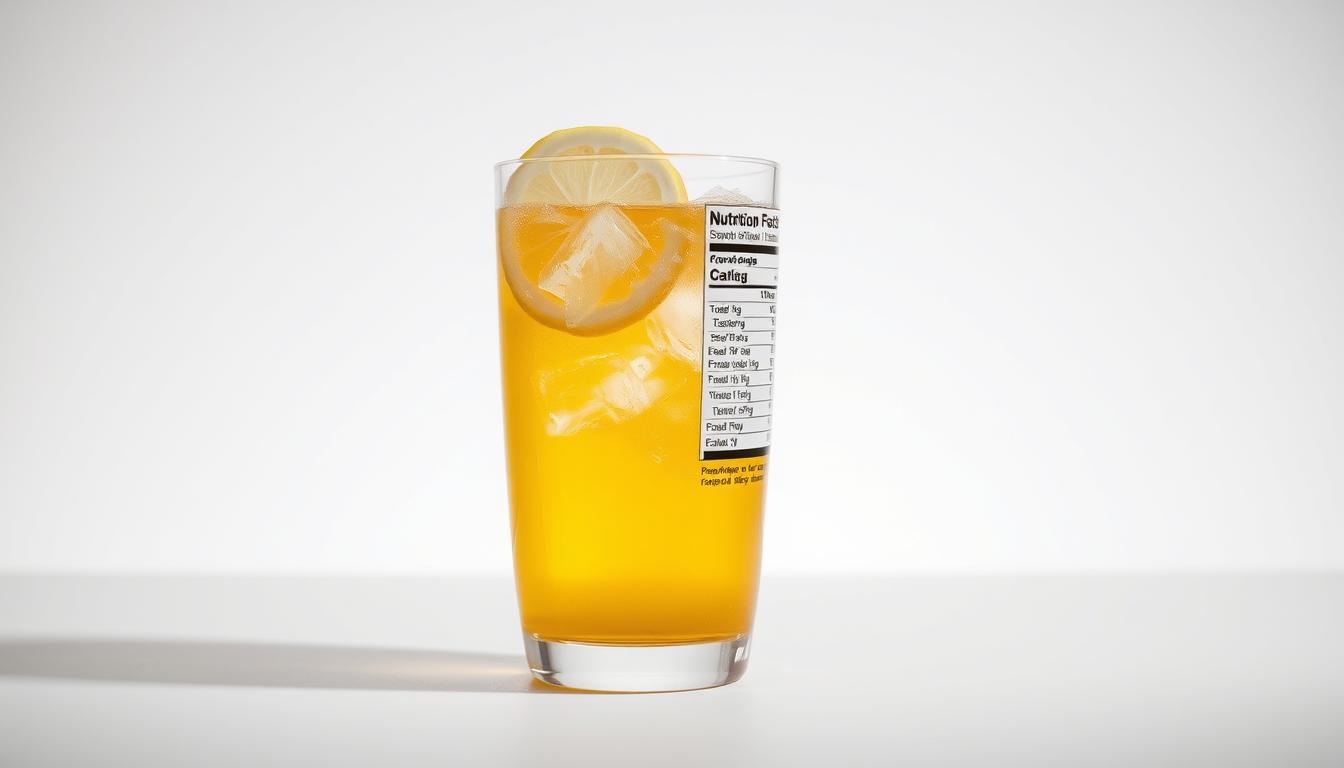
This 22-ounce drink combines brewed tea with real fruit juice, offering a 5% alcohol content. Unlike many competitors, it uses cane sugar instead of artificial sweeteners and packs a vitamin C boost. The focus on natural ingredients caters to shoppers prioritizing transparency in their indulgences.
Why does this matter? Today’s consumers want to enjoy life while staying informed. Whether tracking calories or avoiding preservatives, people deserve clear details about what they’re drinking. This analysis breaks down the nutritional profile to show how it fits into balanced lifestyles.
Key Takeaways
- Contains 5% alcohol by volume in a single-serving 22-fluid-ounce container
- Made with authentic brewed tea and fruit juice for natural flavoring
- Features vitamin C and cane sugar instead of artificial additives
- Provides complete nutritional transparency for informed consumption
- Aligns with health-conscious choices through preservative-free formulation
Product Overview and Key Characteristics
When choosing a malt beverage, quality ingredients make all the difference. This drink stands out by combining brewed tea with real fruit juice, creating layers of flavor that feel both refreshing and authentic. The absence of artificial additives ensures each sip aligns with modern preferences for clean-label products.
Highlighting Brewed Tea and Real Fruit Juice
The foundation of this beverage starts with slow-steeped tea leaves, giving it a genuine tea taste missing from powdered mixes. Real citrus extracts add tangy brightness while delivering natural vitamin C – a nutrient that helps protect cells from oxidative stress. This approach avoids synthetic flavorings, letting the ingredients speak for themselves.
Essential Features and Brand Information
Cane sugar balances the tartness without artificial aftertastes. Unlike brands using high-fructose corn syrup, this choice offers a smoother sweetness. The 22-ounce can simplifies portion control, ideal for those monitoring intake.
| Feature | Benefit | Comparison |
|---|---|---|
| Brewed Tea Base | Authentic flavor profile | vs. Powdered tea in competitors |
| Real Fruit Juice | Natural vitamins & antioxidants | vs. Artificial flavorings |
| Cane Sugar | Clean sweetness | vs. High-fructose corn syrup |
As a malt beverage, it undergoes fermentation for seamless alcohol integration. This process preserves the tea and fruit juice integrity, resulting in a crisp finish that pairs well with casual gatherings.
arizona hard lemon iced tea nutrition facts: Calories, Sugars, and Daily Values
Making informed choices about beverages requires understanding their nutritional impact. This citrus malt drink’s 22 fl oz serving size delivers distinct characteristics that merit closer examination across three key areas.
Caloric Content and Serving Size Insights
One 22-ounce container contains approximately 228 calories. For those following a 2,000-calorie day framework, this represents 11% of daily energy intake. The larger size compared to standard 12 oz drinks means consuming nearly two portions in a single sitting.
Sugar Levels and Nutritional Comparisons
With 34g of sugars from cane sugar per serving, this beverage provides 68% of the recommended daily limit. When compared to similar malt drinks:
| Nutrient | Amount Per Serving | % Daily Value | Comparison |
|---|---|---|---|
| Sugars | 34g | 68% | 12% higher than average |
| Vitamin C | 30mg | 33% | 3x more than competitors |
| Carbohydrates | 38g | 13% | Comparable to peers |
Understanding Daily Nutritional Contributions
The daily value percentages help contextualize how this drink fits into balanced diet patterns. While it offers substantial vitamin C, the sugar content requires mindful consumption. Those monitoring carbohydrate intake should note that one serving provides 13% of daily needs.
Individual requirements vary, but using the 2,000 calories day baseline creates consistent benchmarks. Always consider personal health goals when enjoying flavorful malt beverages.
Exploring the Brewing Process and Ingredient Quality
Crafting a premium malt beverage demands precision at every step. From selecting leaves to timing fermentation, each phase impacts flavor and nutritional value. This drink’s foundation lies in brewed tea steeped using traditional methods, extracting antioxidants while building depth.
The Role of Real Fruit Juice and Cane Sugar
Citrus extracts join the mix during specific stages to protect vitamin C levels. Cold-pressed juices preserve natural oils that give brightness without synthetic enhancers. You’ll notice the difference in every sip – genuine tartness replaces artificial sharpness.
Cane sugar serves dual purposes: balancing acidity and fueling fermentation. Unlike corn syrup, it caramelizes evenly, creating smoother alcohol integration. This choice also avoids the cloying aftertaste common in mass-produced alternatives.
Production Techniques and Natural Flavors
Fermentation occurs in controlled batches to maintain ingredient integrity. Temperature-regulated tanks prevent nutrient loss while achieving 5% alcohol content. The process locks in tea’s earthy notes and fruit’s zesty character.
No preservatives mean freshness relies on airtight packaging and swift distribution. Tannins from brewed tea blend with citrus acids, forming layered flavors naturally. Every can delivers consistency through rigorous quality checks – a testament to craftsmanship over shortcuts.
Conclusion
Today’s consumers demand both taste and transparency in their drinks. This malt beverage meets that need with its natural formulation – brewed tea, fruit extracts, and cane sugar – while providing clear details about how each nutrient serving contributes daily to dietary goals. For those following a 2,000 calories day plan, one 22-ounce container delivers 11% of energy needs and a third of vitamin C requirements.
Understanding how this serving food fits into your daily diet helps balance enjoyment with awareness. While its sugar content requires moderation, the absence of preservatives aligns with health-conscious preferences. General nutrition advice suggests treating it as an occasional refreshment rather than a staple.
Transparent labeling tells you exactly what’s inside, empowering smarter choices. Whether managing intake or savoring quality ingredients, this approach bridges flavor and accountability. By prioritizing nutrition advice and ingredient integrity, the beverage reflects modern expectations for drinks that delight and inform.
FAQ
Q: How many calories are in one serving?
A: Each 8 fl oz serving contains 90 calories derived primarily from cane sugar and real fruit juice. This represents 4.5% of the recommended 2,000-calorie daily diet.
Q: Does this beverage use artificial sweeteners?
A: No. It’s sweetened naturally using cane sugar and real lemon juice, avoiding synthetic additives. The ingredient list emphasizes brewed tea and fruit-based components.
Q: What percentage of daily sugar intake does one can provide?
A: A single serving contains 22g of sugars, contributing 44% of the Daily Value. This aligns with many flavored teas but exceeds plain brewed varieties.
Q: Are there vitamins in this drink?
A: While not vitamin-fortified, it contains trace amounts of vitamin C from lemon juice. Nutritional emphasis lies in its simplicity: brewed tea leaves, citrus extracts, and minimal processing.
Q: How does the caffeine content compare to coffee?
A: Caffeine levels approximate 15mg per serving — significantly lower than coffee (95mg per 8 oz). This makes it a milder option for those monitoring stimulant intake.
Q: Is the fruit flavoring derived from actual fruit?
A: Yes. The tartness comes from real lemon juice concentrate, not artificial flavorings. This distinguishes it from competitors using synthetic citrus substitutes.