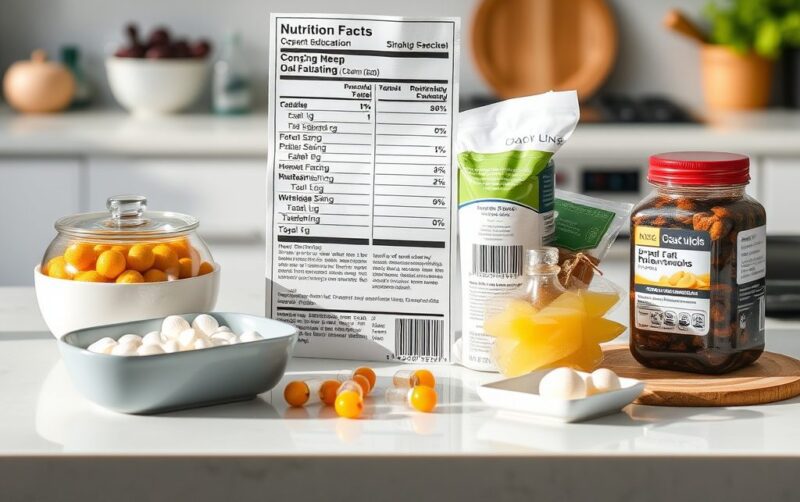
Acidity regulator is a functional class name that appears in ingredient lists to identify substances added to control, maintain, or adjust the pH of a food product. These substances help preserve texture, flavor, color, and microbial stability by keeping the food within a specific acidity range. Common acidity regulators include citric acid, sodium citrate, lactic acid, and acetic acid. The term does not describe a single ingredient but rather the function performed by various approved substances. When you see “acidity regulator” on a label, it is typically followed by either the specific ingredient name or an E-number code used in some regulatory systems. Understanding this term helps you identify why certain ingredients are present and whether they align with your dietary preferences or restrictions.
What the Term “Acidity Regulator” Means
The term “acidity regulator” describes the role an ingredient plays in a food product rather than naming a specific chemical. Food manufacturers use acidity regulators to achieve several objectives: preventing microbial growth, stabilizing color, enhancing flavor, improving texture, and extending shelf life. The pH level of a food directly influences these characteristics, and acidity regulators allow precise control over that variable.
In regulatory frameworks such as those administered by the U.S. Food and Drug Administration (FDA) and the European Food Safety Authority (EFSA), acidity regulators fall under the broader category of food additives. The FDA refers to these substances as “pH control agents” or “acidulants” and “alkalizing agents,” depending on whether they lower or raise pH. In the European Union, many acidity regulators carry E-numbers—for example, citric acid is E330, and sodium citrate is E331.
When you read an ingredient list, you may see formats such as “acidity regulator (citric acid),” “acidity regulator: E330,” or simply “citric acid” without the functional class name. The inclusion of the functional class depends on labeling regulations in the country of sale and the manufacturer’s labeling choices. For comprehensive guidance on how ingredient lists are structured, refer to our nutrition label guide.
Common Acidity Regulators and Their Sources
Acidity regulators vary widely in chemical structure and origin. Some are derived from natural sources, while others are produced synthetically. Here are examples frequently found on food labels:
- Citric acid (E330): Often derived from fermentation of sugars using Aspergillus niger mold or extracted from citrus fruits. Used in beverages, jams, and candies.
- Lactic acid (E270): Produced by bacterial fermentation of carbohydrates. Common in dairy products, pickles, and sourdough bread.
- Acetic acid (E260): The main component of vinegar. Used in condiments, sauces, and pickled vegetables.
- Sodium citrate (E331): A sodium salt of citric acid. Functions as both an acidity regulator and an emulsifier in processed cheese and soft drinks.
- Malic acid (E296): Naturally present in apples and other fruits. Used in confectionery and beverages for a tart flavor.
- Tartaric acid (E334): Found in grapes and tamarind. Common in baking powders and wine production.
- Phosphoric acid (E338): A mineral acid used primarily in cola-type soft drinks.
Each of these substances has a different impact on flavor, solubility, and interaction with other ingredients. For example, citric acid provides a sharp, clean sourness, while lactic acid offers a milder, rounded tang. The choice of acidity regulator depends on the desired sensory profile and functional requirements of the product.
Where Acidity Regulators Appear on Labels
Acidity regulators are listed in the ingredient list, which is separate from the Nutrition Facts panel. The ingredient list is ordered by weight, with the most abundant ingredient first. If an acidity regulator is present in small amounts, it will appear toward the end of the list.
In the United States, the FDA requires that all ingredients be listed by their common or usual name. Functional class names like “acidity regulator” are optional but may be included for clarity. In the European Union, functional class names are mandatory for certain additive categories, followed by the specific name or E-number.
You will not find acidity regulators listed in the Nutrition Facts panel unless they contribute significant calories, sodium, or other nutrients. For instance, sodium citrate adds sodium, which would be reflected in the sodium line of the panel. To understand how serving sizes and nutrient values are determined, see our article on what serving size means on a nutrition label.
Regulatory Limits and Safety Considerations
Acidity regulators approved for use in food have undergone safety evaluations by regulatory agencies. In the United States, the FDA maintains a list of substances Generally Recognized As Safe (GRAS) and approved food additives. In the European Union, EFSA conducts risk assessments and sets acceptable daily intake (ADI) levels where necessary.
Most acidity regulators have no specified ADI because they are considered safe at the levels typically consumed. However, some individuals may experience sensitivity to certain acids. For example, high intakes of phosphoric acid have been studied in relation to bone health and dental enamel erosion, though these effects are context-dependent and influenced by overall diet and lifestyle.
If you have specific health concerns or dietary restrictions, reviewing the ingredient list for acidity regulators can help you make informed choices. For example, individuals managing sodium intake should note when sodium-based acidity regulators like sodium citrate or sodium acetate are present. To check the sodium content of a specific product, you can use our Nutrition Lookup tool to access source-linked food records.
Common Label Comparison Mistakes
When comparing products, readers often make assumptions based on the presence or absence of acidity regulators. Here are frequent misunderstandings:
- Assuming “natural” means no acidity regulators: Many acidity regulators, such as citric acid and lactic acid, are derived from natural fermentation processes. The term “natural” on a label does not exclude these substances.
- Equating E-numbers with artificial ingredients: E-numbers are simply a coding system used in the European Union. Many E-numbered additives, including acidity regulators, are identical to substances found in whole foods.
- Ignoring the functional role: The presence of an acidity regulator does not inherently indicate lower quality. These substances often serve essential roles in food safety and sensory quality.
- Overlooking sodium contributions: Sodium-based acidity regulators contribute to total sodium intake. Comparing sodium values on the Nutrition Facts panel is more informative than focusing solely on the ingredient list. Learn more about interpreting these values in our guide on what percent Daily Value means.
When to Use Nutrition Lookup
If you want to compare the nutrient profiles of products with different acidity regulators, or if you need to verify the sodium, calorie, or other nutrient content of a specific food, the Nutrition Lookup tool provides access to source-linked records from databases such as the USDA FoodData Central. This tool is particularly useful when:
- You are comparing similar products and want to see how acidity regulators correlate with sodium or other nutrients.
- You need FDC IDs or detailed ingredient breakdowns for dietary tracking.
- You want to verify label claims or understand the context of a specific ingredient.
For broader context on how to navigate nutrition labels and ingredient lists, explore our nutrition label guides category.
Practical Checklist for Evaluating Acidity Regulators
Use this checklist when reviewing ingredient lists that include acidity regulators:
- Identify the specific acidity regulator by name or E-number.
- Check the Nutrition Facts panel for sodium, especially if sodium-based regulators are listed.
- Consider the product category—acidity regulators are common in beverages, condiments, dairy, and baked goods.
- Compare similar products to see if the presence or type of acidity regulator correlates with differences in taste, texture, or shelf life.
- If you have dietary restrictions or sensitivities, note which acidity regulators are present and consult a qualified professional if needed.
- Use the Nutrition Lookup tool to access detailed nutrient data for informed comparisons.
Frequently Asked Questions
Are acidity regulators the same as preservatives?
Acidity regulators and preservatives are related but distinct. Acidity regulators control pH, which can indirectly inhibit microbial growth, but their primary function is pH adjustment. Preservatives are substances specifically added to prevent spoilage. Some ingredients, like citric acid, can serve both functions depending on the context.
Can I avoid acidity regulators entirely?
Many whole, minimally processed foods do not contain added acidity regulators. However, these substances are common in processed and packaged foods. If you prefer to avoid them, focus on fresh produce, unprocessed meats, and whole grains. Reading ingredient lists carefully is essential.
Do acidity regulators affect nutrient absorption?
Some acidity regulators, such as citric acid, may enhance the absorption of certain minerals like iron by creating an acidic environment in the digestive tract. However, the effect is generally modest and context-dependent. If you have specific concerns about nutrient interactions, consult a qualified nutrition professional.
Why do some labels list the functional class and others do not?
Labeling regulations vary by country. In the European Union, functional class names are required for certain additives. In the United States, they are optional. Manufacturers may include them for transparency or omit them for simplicity.
Are E-numbers safe?
E-numbers are assigned to food additives that have been evaluated and approved by the European Food Safety Authority. The presence of an E-number indicates that the substance has undergone safety assessment. However, individual tolerance and dietary context vary, so it is important to consider your own health needs.
Sources and Methodology
This article draws on regulatory guidance from the U.S. Food and Drug Administration (FDA) regarding food additives and labeling requirements, as well as information from the European Food Safety Authority (EFSA) on approved acidity regulators and E-numbers. Functional definitions and examples are based on established food science literature and ingredient databases. For detailed nutrient data and source-linked records, refer to our data methodology page.
Educational Disclaimer
This article is intended for educational purposes and does not constitute medical, diagnostic, or treatment advice. Individual dietary needs and sensitivities vary. If you have specific health concerns, allergies, or medical conditions, consult a qualified healthcare or nutrition professional before making dietary changes. For our full disclaimer, visit our medical disclaimer page.