eNutritionFacts
  • Nutrition Database
    • Nutrition Lookup
    • Nutrition Label Guide
    • Food & Drink Nutrition Facts
      • Fruits
      • Vegetables
      • Grains & Legumes
      • Proteins & Meat
      • Dairy & Alternatives
      • Beverages
      • Oils, Sauces & Condiments
      • Snacks & Packaged Foods
    • Semantic Food Comparison Engine
    • Nutrient Ranking Tool
    • Nutrition Data Methodology
  • Nutrition Topics
    • Nutrition Label Guides
    • Clean Label & Ingredients
    • Preparation Impact
  • Editorial Standards
    • Our Story & Mission
    • Expert Team
    • Editorial Guidelines & Fact-Checking Policy
    • Nutrition Data Methodology
    • Expert Review Policy
    • Corrections & Update Policy
    • Advertising & Affiliate Disclosure
    • Medical Disclaimer
  • Tools
    • Core Tools
      • Nutrition Lookup
      • Food Comparison Engine
      • Recipe Nutrition Calculator
      • Serving Size & %DV Label Converter
    • Research & Interpretation Tools
      • Nutrient Ranking Tool
      • Preparation Impact Estimator
      • Bioavailability Context Explainer
      • Nutrient Interaction Graph Explorer
    • Planning & Synthesis Tools
      • Macro Target Estimator
      • Meal Synthesizer
      • Amino Acid Complementarity Estimator
    • Verification & Governance Tools
      • Nutrient Data Provenance
      • Nutrition Data Provenance Ledger
      • Research Contribution Portal
      • Nutrition datasets
      • Semantic Graph Engine
  • Contact
Recent Posts
  • What Does Acidity Regulator Mean on a Food Label?
  • Quinoa Nutrition Facts
  • Absolut Vodka Nutrition Facts
  • Boiled vs Baked Potato Nutrition Facts
  • Raw vs Cooked Rice Nutrition Facts
  • nutrl Watermelon Nutrition Facts: What You Need to Know
  • Jack Daniel’s Old No. 7 Whiskey Nutrition Facts
  • Whole Milk Nutrition Facts
  • Hennessy VS Cognac Nutrition Facts
  • Almonds Nutrition Facts

Categories

  • Additives & Preservatives
  • Beverages
  • Blood Sugar & Glycemic Response
  • Boiled, Steamed & Roasted Foods
  • Clean Label & Ingredients
  • Dairy & Alternatives
  • Food & Drink Nutrition Facts
  • Fruits
  • Grains & Legumes
  • Metabolic Nutrition
  • Nutrition Label Guides
  • Oils, Sauces & Condiments
  • Preparation Impact
  • Proteins & Meat
  • Raw vs Cooked Nutrition
  • Snacks & Packaged Foods
  • Sweeteners & Sugar Terms
  • Vegetables
eNutritionFacts
eNutritionFacts
  • Nutrition Database
    • Nutrition Lookup
    • Nutrition Label Guide
    • Food & Drink Nutrition Facts
      • Fruits
      • Vegetables
      • Grains & Legumes
      • Proteins & Meat
      • Dairy & Alternatives
      • Beverages
      • Oils, Sauces & Condiments
      • Snacks & Packaged Foods
    • Semantic Food Comparison Engine
    • Nutrient Ranking Tool
    • Nutrition Data Methodology
  • Nutrition Topics
    • Nutrition Label Guides
    • Clean Label & Ingredients
    • Preparation Impact
  • Editorial Standards
    • Our Story & Mission
    • Expert Team
    • Editorial Guidelines & Fact-Checking Policy
    • Nutrition Data Methodology
    • Expert Review Policy
    • Corrections & Update Policy
    • Advertising & Affiliate Disclosure
    • Medical Disclaimer
  • Tools
    • Core Tools
      • Nutrition Lookup
      • Food Comparison Engine
      • Recipe Nutrition Calculator
      • Serving Size & %DV Label Converter
    • Research & Interpretation Tools
      • Nutrient Ranking Tool
      • Preparation Impact Estimator
      • Bioavailability Context Explainer
      • Nutrient Interaction Graph Explorer
    • Planning & Synthesis Tools
      • Macro Target Estimator
      • Meal Synthesizer
      • Amino Acid Complementarity Estimator
    • Verification & Governance Tools
      • Nutrient Data Provenance
      • Nutrition Data Provenance Ledger
      • Research Contribution Portal
      • Nutrition datasets
      • Semantic Graph Engine
  • Contact
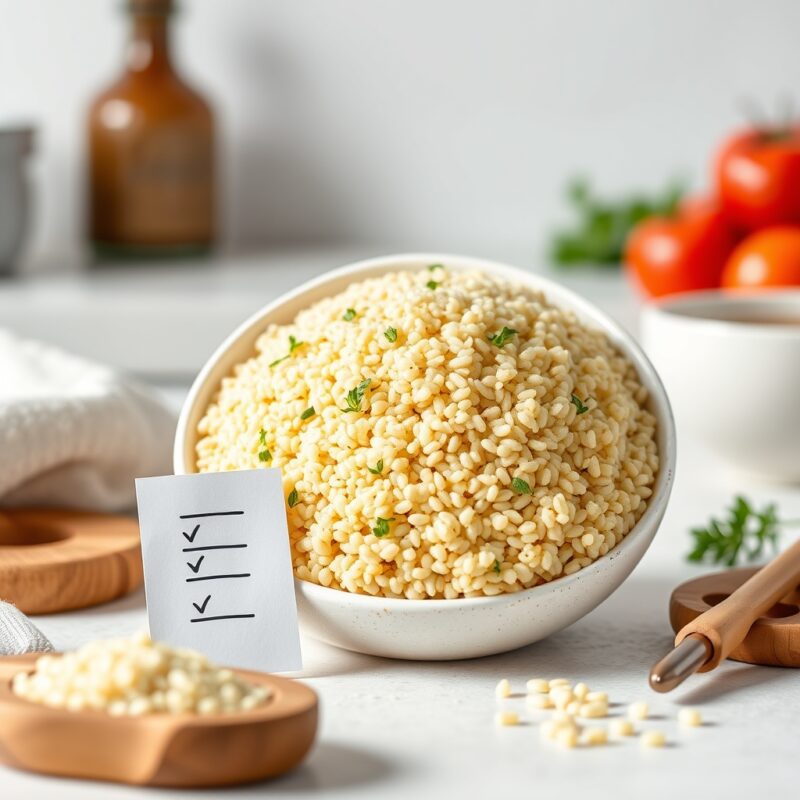
Quinoa, cooked with a generic Nutrition Facts style card for nutrition data review
  • Grains & Legumes
  • Food & Drink Nutrition Facts

Quinoa Nutrition Facts

  • June 25, 2026
  • Dania Rizvi

Cooked Quinoa is commonly searched for calories, macronutrients, serving-size values, and selected vitamins or minerals. This page summarizes the selected USDA FoodData Central record for Quinoa, cooked and shows values per 100g and per listed serving when available.

Quick answer

According to the selected USDA FoodData Central record, Quinoa, cooked provides 120kcal per 100g. The same 100g basis lists 4.4g protein, 21.3g carbohydrate, and 1.92g total fat. These values should be checked against the source record before being reused in nutrition guides, comparisons, or editorial content.

Selected record note: This page uses the USDA record for Quinoa, cooked. Other entries, including different preparation forms, branded products, restaurant-style foods, or source records, can show different nutrition values.

This page is provided for educational and informational purposes only and is not medical advice.

Nutrition facts for Quinoa, cooked

Contents

  • 1 Nutrition facts for Quinoa, cooked
  • 2 What is cooked quinoa?
  • 3 Cooked Quinoa nutrition summary
  • 4 Per 100g nutrition table
  • 5 Serving-size nutrition table
  • 6 Calories and macros
  • 7 Carbohydrates, fiber, and sugars
  • 8 Potassium and selected minerals
  • 9 Vitamins and minerals
  • 10 Serving size explained
  • 11 Why nutrition values may differ
  • 12 How to use this nutrition data
  • 13 Data source
  • 14 Compare with similar foods
  • 15 Related nutrition data resources
  • 16 Frequently asked questions
    • 16.1 Are these values per serving or per 100g?
    • 16.2 Why can different entries show different values?
    • 16.3 Are total sugars the same as added sugars?
    • 16.4 Why does this page include a source record and FDC ID?
    • 16.5 Can this page replace personal nutrition advice?
  • 17 Sources and methodology
  • 18 Disclaimer
Nutrition Facts
Amount per serving
cup (185g)
Calories222
% Daily Value*
Total Fat 3.55g4%
Saturated Fat 0.43g2%
Cholesterol 0mg0%
Sodium 13mg0%
Total Carbohydrate 39.4g15%
Dietary Fiber 5.18g19%
Total Sugars 1.61g
Protein 8.14g17%
Vitamin D 0mcg0%
Calcium 31.5mg2%
Iron 2.76mg15%
Potassium 318mg7%
*% Daily Value is estimated from current FDA Daily Values where a matching nutrient and unit are available. Values are for education and should be reviewed before publication.

What is cooked quinoa?

Cooked Quinoa is listed here as a food composition profile rather than as a recipe, diet plan, or medical recommendation. The selected record describes Quinoa, cooked, so the values may differ from cooked, dried, canned, fortified, restaurant-style, or packaged versions that use a different source record.

Because food composition data can be used in different ways, this page includes both per 100g values and serving-size values when the USDA record provides a usable serving gram weight. The per 100g table is useful for comparing foods on the same basis, while the serving-size table may feel more practical for everyday reading.

Cooked Quinoa nutrition summary

The selected record for Quinoa, cooked lists calories, carbohydrate, protein, total fat, and available micronutrients. Per 100g, this record provides 120kcal, 4.4g protein, 21.3g carbohydrate, and 1.92g total fat. These numbers describe the selected USDA record only and should not be interpreted as personalized dietary advice.

On the listed serving basis of cup (185g), the same record provides 222kcal, 8.14g protein, 39.4g carbohydrate, and 3.55g total fat. Actual portions can be smaller or larger than the listed serving, so serving-size values should be read as a reference point.

Per 100g nutrition table

Nutrient Amount %DV
Calories 120kcal —
Total Fat 1.92g 2%
Saturated Fat 0.23g 1%
Cholesterol 0mg 0%
Sodium 7mg 0%
Total Carbohydrate 21.3g 8%
Dietary Fiber 2.8g 10%
Total Sugars 0.87g —
Protein 4.4g 9%
Vitamin D 0mcg 0%
Calcium 17mg 1%
Iron 1.49mg 8%
Potassium 172mg 4%
Values are based on the selected USDA FoodData Central record. Check the FDC ID, data type, serving basis, and last checked date before using values editorially.

Serving-size nutrition table

Serving basis: cup (185g) · FDC foodPortions field.

Nutrient Amount %DV
Calories 222kcal —
Total Fat 3.55g 4%
Saturated Fat 0.43g 2%
Cholesterol 0mg 0%
Sodium 13mg 0%
Total Carbohydrate 39.4g 15%
Dietary Fiber 5.18g 19%
Total Sugars 1.61g —
Protein 8.14g 17%
Vitamin D 0mcg 0%
Calcium 31.5mg 2%
Iron 2.76mg 15%
Potassium 318mg 7%
Values are based on the selected USDA FoodData Central record. Check the FDC ID, data type, serving basis, and last checked date before using values editorially.

Calories and macros

Per 100g, this selected record lists 120kcal, 4.4g protein, 21.3g carbohydrate, and 1.92g total fat. These values describe the selected food record only and may differ from other raw, cooked, branded, or prepared versions.

Calories and macronutrients are often the first values readers compare, but they do not describe the full food context. The selected FDC ID, preparation state, serving basis, and data type should be checked before using these numbers in a comparison or guide.

Carbohydrates, fiber, and sugars

The selected USDA record lists total carbohydrate, dietary fiber, and total sugars when those nutrients are available. Per 100g, this record lists 21.3g carbohydrate, 2.8g dietary fiber, and 0.87g total sugars.

Total sugars in a whole-food or simple food record are not automatically the same as added sugars on a packaged food label. Added sugars are a separate label concept and should only be discussed when the source record or product label supports it.

Potassium and selected minerals

The selected USDA record lists available mineral values such as potassium, calcium, iron, and sodium. Per 100g, this record lists 172mg potassium, 17mg calcium, 1.49mg iron, and 7mg sodium.

READ ALSO  Sweet Potato Nutrition Facts for Diabetics: Is It Safe?

These values help describe the nutrient composition of the selected food record. They should not be used as a substitute for individualized nutrition guidance, especially for people who need to monitor specific nutrients for personal medical or dietary reasons.

Vitamins and minerals

The mineral and vitamin values below come from the same USDA FoodData Central record. Review missing nutrients before using this page as a source-backed food profile.

Nutrient Amount %DV
Vitamin D 0mcg 0%
Calcium 17mg 1%
Iron 1.49mg 8%
Potassium 172mg 4%
Sodium 7mg 0%
Values are based on the selected USDA FoodData Central record. Check the FDC ID, data type, serving basis, and last checked date before using values editorially.

Serving size explained

This page shows values per 100g and, when available, per USDA-listed serving. Per 100g values are useful because they make it easier to compare foods with the same weight basis. Serving-size values can be more practical for readers who want to understand a listed portion.

For this record, the listed serving basis is cup (185g) from the FDC foodPortions field. Because household measures can vary in real-world use, the per 100g values should be treated as the most stable comparison basis. Actual portions can vary depending on food size, edible weight, preparation, and how the food is served.

Why nutrition values may differ

Different nutrition databases and food records can show different values for the same general food name. Differences may come from preparation method, processing, ripeness or maturity, edible portion, fortification, brand formulation, sampling methods, analytical methods, serving size, or data type.

For careful comparisons, use records with similar preparation forms and data types whenever possible. A cooked generic food record should not be treated as identical to a branded product, a restaurant-style item, or a prepared dish unless the source record supports that comparison.

How to use this nutrition data

Use this page as a source-backed reference for checking the selected food record, comparing per 100g values, and understanding the listed serving-size basis. For editorial work, always verify the FDC ID, data type, source record, and last checked date before quoting values.

For personal dietary decisions, this information should be treated as general food composition data. It does not replace advice from a qualified professional who can consider individual health needs, dietary goals, medications, allergies, lab values, or other personal factors.

Data source

Data source: Values on this page come from USDA FoodData Central record FDC ID 168917 for Quinoa, cooked. The record type is SR Legacy, and the values were last checked on 2026-06-25.

Serving-size values are shown only when a usable USDA portion weight is available. Because household measures can vary, the per 100g values should remain the main comparison basis.

Citation: U.S. Department of Agriculture, Agricultural Research Service. FoodData Central. FDC ID 168917. [Internet]. [cited 2026-06-25]. Available from https://fdc.nal.usda.gov/.

Compare with similar foods

Use the Nutrition Lookup tool to compare this food with up to three similar foods. For editorial use, compare records with similar data types and preparation forms whenever possible.

Related nutrition data resources

You can browse more profiles in Food & Drink Nutrition Facts, review our Nutrition Data Methodology, or read the Medical Disclaimer for the educational limits of this content.

Frequently asked questions

Are these values per serving or per 100g?

The main table uses a per 100g basis. A serving-size table is included only when the USDA record provides a usable serving gram weight. When serving-size values are shown, they are calculated from the selected record and listed serving basis.

Why can different entries show different values?

USDA FoodData Central includes different data types, food forms, preparation states, and branded records. Always choose the record that matches the food being discussed.

Are total sugars the same as added sugars?

No. Total sugars describe the sugar value listed for the selected food record. Added sugars are a separate label concept used when sugars are added during processing or preparation, usually in packaged foods.

Why does this page include a source record and FDC ID?

The FDC ID makes the page easier to check and update. It shows which USDA FoodData Central record was selected, which is important because similar food names can have different nutrient values.

Can this page replace personal nutrition advice?

No. This page is educational and informational only. It does not provide medical advice or individualized dietary guidance.

Sources and methodology

Nutrition values were extracted from USDA FoodData Central and displayed using a consistent eNutritionFacts review workflow. Values are shown per 100g unless a reviewed serving basis is available.

The selected food record, FDC ID, data type, serving basis, and last checked date are included so readers and editors can trace the source of the values. Nutrition values may be rounded for readability, and % Daily Value is estimated only when a matching nutrient and unit are available.

Disclaimer

Content on this page is provided for educational and informational purposes only and is not medical advice. Always review the original source record and consult a qualified professional for personal dietary needs.

Dania Rizvi
Dania Rizvi

Dania Rizvi is a meticulous Nutrition Researcher and data journalist. She specializes in extracting, structuring, and analyzing complex micro and macronutrient profiles for eNutritionFacts.com. Read full author profile

Previous Article
Generic branded-food nutrition label setup for Pernod Ricard Absolut Vodka
  • Beverages
  • Food & Drink Nutrition Facts

Absolut Vodka Nutrition Facts

  • June 25, 2026
  • Joana Malheiro
Read More
Next Article
What Does Acidity Regulator Mean on a Food Label? clean editorial nutrition education image
  • Beverages
  • Additives & Preservatives
  • Food & Drink Nutrition Facts

What Does Acidity Regulator Mean on a Food Label?

  • June 25, 2026
  • Joana Malheiro
Read More

Latest nutrition guides

What Does Acidity Regulator Mean on a Food Label? clean editorial nutrition education image

What Does Acidity Regulator Mean on a Food Label?

What Does Acidity Regulator Mean on a Food Label? explained with cautious educational wording, internal links, methodology context,…

Generic branded-food nutrition label setup for Pernod Ricard Absolut Vodka

Absolut Vodka Nutrition Facts

Absolut Vodka nutrition facts from USDA FoodData Central Branded Foods: calories, serving size, label values, ingredients when available,…

Boiled vs Baked Potato Nutrition Facts clean editorial nutrition education image

Boiled vs Baked Potato Nutrition Facts

Boiled vs Baked Potato Nutrition Facts explained with cautious educational wording, internal links, methodology context, and saved-post review-ready…

Raw vs Cooked Rice Nutrition Facts clean editorial nutrition education image

Raw vs Cooked Rice Nutrition Facts

Raw vs Cooked Rice Nutrition Facts explained with cautious educational wording, internal links, methodology context, and saved-post review-ready…

nutrl watermelon nutrition facts

nutrl Watermelon Nutrition Facts: What You Need to Know

Discover the nutritional benefits of nutrl Watermelon. Learn the nutrl watermelon nutrition facts and how it can be…

Generic branded-food nutrition label setup for Jack Daniel's Jack Daniel's Old No. 7 Whiskey

Jack Daniel’s Old No. 7 Whiskey Nutrition Facts

Jack Daniel's Old No. 7 Whiskey nutrition facts from USDA FoodData Central Branded Foods: calories, serving size, label…

Milk, whole, 3.25% milkfat, with added vitamin D with a generic Nutrition Facts style card for nutrition data review

Whole Milk Nutrition Facts

Source-backed milk nutrition facts with calories, macros, per 100g values, serving-size data when available, FDC ID 171265, and…

Generic branded-food nutrition label setup for Moët Hennessy Hennessy VS Cognac

Hennessy VS Cognac Nutrition Facts

Hennessy VS Cognac nutrition facts from USDA FoodData Central Branded Foods: calories, serving size, label values, ingredients when…

About eNutritionFacts
About Us
Our Expert Team
Contact
Sitemap
Editorial Standards
Editorial Guidelines
Nutrition Data Methodology
Expert Review Policy
Corrections & Updates Policy
Legal & Disclaimers
Medical Disclaimer
FTC & Affiliate Disclosure
Privacy Policy & Cookie Policy
Terms of Use
eNutritionFacts

© 2026 eNutritionFacts. All rights reserved. eNutritionFacts is owned and operated by FFMarketing.

Content on this site is provided for educational and informational purposes only and is not medical advice. eNutritionFacts may earn revenue from display ads, affiliate links, sponsored placements, or other commercial relationships. These relationships do not control our nutrition data, editorial standards, review policies, or correction decisions.

Input your search keywords and press Enter.