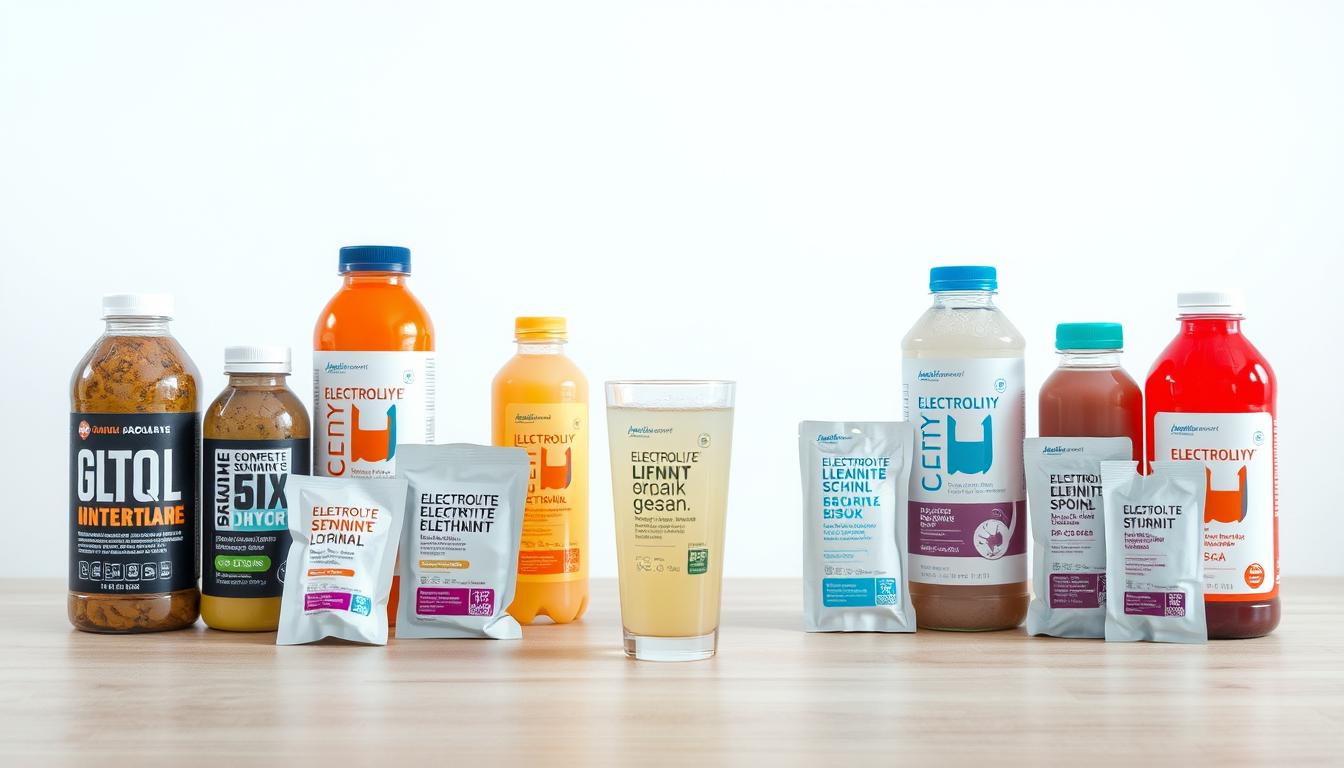
A TikTok video documenting a woman’s hospitalization after using electrolyte powders excessively has garnered over 2 million views. Medical reports revealed her sodium levels spiked to dangerous levels – equivalent to eating 15 teaspoons of salt in one sitting – triggering symptoms ranging from racing heartbeat to cognitive confusion.
For the complete vitamins and minerals label-reading framework, use the Vitamins & Minerals on Food Labels.
For the complete macronutrient label-reading framework, use the Complete Macronutrient Guide.
For the full evidence-aware framework, use the Healthy Aging Nutrition Guide.
For the full label-reading framework, use the Nutrition Label Guide.
This incident underscores a critical gap in public knowledge: even water-enhancing products require careful dosing. While these formulas help replenish minerals lost through sweat or illness, their concentrated nature demands respect. For those managing chronic conditions or pregnancy, the stakes are particularly high.
Healthcare providers report increasing cases of electrolyte imbalance linked to overuse of hydration aids. The confusion often stems from overlapping symptoms – both dehydration and mineral overload can cause dizziness or fatigue. This creates a dangerous cycle where people might consume more supplements when they actually need plain water.
Key Takeaways
- Electrolyte supplements carry overdose risks if misused
- Chronic health conditions amplify potential complications
- Proper dosing varies by activity level and health status
- Hydration needs differ significantly between individuals
- Medical consultation is crucial for vulnerable groups
Introduction to Liquid IV and Its Hydration Promise
Founded in 2012 and acquired by Unilever in 2020, this electrolyte supplement brand revolutionized hydration solutions with its cellular transport technology. The method builds on decades-old medical rehydration science but packages it for mainstream consumers through flavored powder sticks.
Overview of Product Claims
The company markets single-serve packets as delivering 3x faster hydration than water alone. Their formula combines sodium, glucose, and potassium in ratios designed to optimize absorption through intestinal walls. This approach mirrors World Health Organization oral rehydration solutions but adds appealing flavors like passion fruit and guava.
Context in Today’s Hydration Market
Consumers increasingly seek alternatives to plain water and sugary sports drinks. The global electrolyte supplements market grew 8.7% annually from 2018-2023, driven by fitness trends and wellness culture. Below shows how popular hydration methods compare:
| Method | Electrolytes | Absorption Speed | Sugar Content |
|---|---|---|---|
| Plain Water | None | Standard | 0g |
| Sports Drinks | Moderate | Moderate | 21-34g |
| Liquid IV | High | Enhanced | 11g |
While these products offer convenience, their effectiveness depends on individual needs. Athletes might benefit from rapid replenishment during intense workouts, while casual users could achieve similar results through balanced meals and regular fluid intake.
Understanding Liquid IV side effects
Many users report temporary digestive issues when first trying concentrated hydration formulas. These mild reactions often include queasiness or abdominal discomfort, particularly when consumed without food or mixed improperly. Medical experts note these responses typically resolve as the body adjusts to increased mineral intake.
The primary concern lies in sodium content – each packet delivers 500mg (22% daily value). For individuals already consuming processed foods or salty snacks, this additive could push total intake beyond recommended limits. Those not engaged in intense physical activity face higher risks, as minimal sweat production reduces natural sodium excretion.
Electrolyte overload creates a paradoxical situation where thirst signals might persist despite adequate hydration. Warning signs like muscle twitching, mental fog, or irregular pulse often mirror dehydration symptoms. This similarity can lead people to consume more supplements when plain water would better address their needs.
Sensitive individuals might experience more pronounced effects. Some users describe jitteriness after using caffeinated versions, while others note sleep disruptions. Healthcare providers caution against treating these products like flavored water replacements, emphasizing their role as situational hydration aids for workouts or illness recovery.
Proper usage requires attention to mixing ratios and consumption frequency. The company explicitly warns against multiple daily servings without medical supervision. For those managing chronic conditions or medication regimens, consulting a healthcare professional helps prevent dangerous mineral interactions.
Potential Risks for Diabetics, Pregnant Women, and Other Groups
While electrolyte supplements benefit many, specific populations require extra caution when considering these products. The concentrated nutrients that make these formulas effective can become problematic for those with particular health conditions or nutritional needs.
Considerations for Diabetic Individuals
Each serving contains 10-11 grams of sugar – equivalent to 2.5 teaspoons. This amount can cause rapid blood glucose spikes, challenging insulin management. The glucose required for optimal absorption may disrupt carefully calculated medication regimens.
People monitoring carbohydrate intake face additional hurdles. A single packet provides 11g carbs, potentially conflicting with low-carb diets. Those managing diabetes should consult healthcare providers before incorporating these supplements.
Warnings for Pregnant and Nursing Women
Pregnancy alters nutritional requirements dramatically. The 500mg sodium per serving represents 22% of daily limits – concerning when combined with prenatal vitamins. Excessive vitamin B12 (280% DV) could interact with prescribed supplements.
Nursing mothers should note that concentrated minerals pass into breast milk. Medical supervision helps prevent accidental overconsumption for both parent and infant.
Other groups needing special attention include:
| Group | Primary Concern | Recommended Action |
|---|---|---|
| Kidney conditions | Reduced mineral filtration | Monitor sodium/potassium intake |
| Hypertension | Blood pressure spikes | Limit sodium consumption |
| Keto diet | Carbohydrate limits | Track daily macros |
Every person’s situation differs. Healthcare providers can assess individual risks versus benefits, particularly for those managing chronic conditions through medication or dietary restrictions.
Key Ingredients, Electrolytes, and Additional Nutrients
Each hydration packet packs a precise blend of minerals and nutrients designed for rapid absorption. The formula prioritizes sodium and potassium as primary electrolytes, delivering 500mg (22% daily value) and 370mg (8% DV) per serving respectively. These levels support fluid balance without exceeding needs for most active adults.
Electrolyte Composition and Sugar Levels
The product uses cane sugar and dextrose to activate its cellular transport system. This creates 10-11g of carbohydrates per serving – enough to boost energy quickly but potentially impactful for sugar-sensitive individuals. Athletes benefit most from this setup during intense training sessions.
B-vitamins dominate the nutritional additives, with B12 levels reaching 330% DV in some varieties. Niacin and B6 follow closely at 150% DV each. These water-soluble vitamins help convert food into energy but exit the body quickly, reducing overdose risks for most users.
Vitamin C content varies wildly between formulas:
- Standard hydration: 73mg (80% DV)
- Immune support: 504mg (560% DV)
Natural flavors and stevia leaf extract mask the mineral taste without artificial sweeteners. The formula skips calcium and magnesium found in competitors’ products, focusing instead on sodium-glucose transport efficiency. This streamlined approach works best for those needing quick rehydration without extra minerals.
How Cellular Transport Technology Enhances Hydration
The human body absorbs water more efficiently when paired with specific nutrients. This principle drives modern hydration science, particularly through cellular transport technology. Unlike drinking plain water, this method uses biochemical pathways to accelerate fluid uptake.
Active Transport vs. Passive Osmosis
Passive osmosis occurs naturally as water moves across membranes to balance mineral concentrations. While effective, this gradual process works slowly during dehydration emergencies. Active transport uses specialized proteins to shuttle sodium and glucose into cells, pulling water with them.
| Process | Mechanism | Speed | Energy Use |
|---|---|---|---|
| Passive Osmosis | Natural concentration gradients | Slow | None |
| Active Transport | Protein-mediated movement | Fast | Required |
Role of Sodium, Glucose, and Potassium
Sodium and glucose form a power duo in cellular transport. They bind to intestinal transporters, creating an electrical charge that pulls water molecules. Potassium stabilizes cell membranes during this rapid exchange.
The ideal 2:1 sodium-to-glucose ratio maximizes absorption speed. This balance outperforms water alone by activating multiple transport channels simultaneously. While the science isn’t new, optimized formulas make clinical-grade rehydration accessible outside hospitals.
Understanding this process explains why improper mixing reduces effectiveness. Too little glucose slows transport, while excess sodium overwhelms natural balance. Precision matters when leveraging biology for faster hydration.
Pros and Cons: A Balanced Review of Liquid IV
Electrolyte supplements present a mix of practical benefits and limitations worth careful evaluation. While these products excel in specific scenarios, their value depends on individual needs and preferences.
Taste and Practical Considerations
Most users praise the pleasant taste of popular flavors like Strawberry Lemonade and Yuzu Pineapple. The powder mixes smoothly without gritty textures, though some find the Pina Colada variety overpoweringly sweet. Single-serving packets prove ideal for gym bags or travel, eliminating measuring hassles.
Cost Comparisons and Options
At $1.56-$1.79 per serving, these products cost more than basic sports drinks but less than premium hydration solutions. Budget-conscious buyers might prefer bulk purchases during sales. The brand offers seasonal flavors, though limited-edition releases sometimes sell out quickly.
Key advantages include:
- Portability: Pre-measured packets save time during busy routines
- Versatility: Multiple formulas address different needs
Notable drawbacks involve:
- Higher cost compared to generic electrolyte powders
- Lack of third-party certifications for competitive athletes
When choosing hydration products, consider your activity level and taste preferences. Those needing quick replenishment without artificial additives might find these powders worthwhile, while casual users could explore more affordable options.
FAQ
Can diabetics safely use Liquid IV products?
The glucose content (11g per packet) may affect blood sugar levels. Consult a healthcare provider before use, especially for those managing diabetes or insulin resistance. Some flavors contain added sugars that require careful monitoring.
Is Liquid IV safe during pregnancy or breastfeeding?
While electrolytes support hydration needs, the high sodium (500mg per serving) could exacerbate swelling in some pregnant women. Nursing mothers should discuss usage with their OB/GYN due to variable nutrient requirements during lactation.
How does Cellular Transport Technology improve hydration?
This system uses a precise sodium-glucose ratio to activate active transport mechanisms in the gut, enhancing water absorption 2-3x faster than water alone. Potassium and magnesium further support cellular electrolyte balance.
Individuals with impaired kidney function should avoid excessive intake due to the electrolyte density. One packet daily is generally safe for healthy adults, but those with renal issues require medical approval.
Do these hydration packets replace sports drinks?
Unlike traditional sports drinks with higher sugars, Liquid IV provides optimized electrolytes and vitamins. However, athletes exercising over 90 minutes may need additional carbohydrate sources for sustained energy.
What alternatives exist for low-sodium diets?
Those restricting sodium intake might consider low-electrolyte oral rehydration solutions or coconut water. Always check labels for potassium and magnesium levels if managing hypertension or heart conditions.
Can children use this product?
The American Academy of Pediatrics recommends specialized pediatric rehydration formulas for kids under 12. Adult-focused electrolyte ratios in Liquid IV may not align with children’s nutritional needs.
Does the vitamin content cause toxicity risks?
Each packet contains 100% DV of Vitamin C and B vitamins. While generally safe, combining with multivitamins or fortified foods could lead to excess intake—particularly Vitamin B3 (niacin) at doses above 35mg daily.
Why does one serving have 45 calories?
Calories primarily come from glucose and cane sugar used to activate Cellular Transport Technology. Sugar-free electrolyte powders are available for those prioritizing low-calorie hydration.
How does it compare to drinking plain water?
While water suffices for mild dehydration, Liquid IV’s electrolyte blend and transport system prove more effective during intense exercise, illness, or heat exposure. Daily hydration needs vary by activity level and health status.