Unlocking the Nutritional Secrets of Fairlife Chocolate Milk Nutrition Facts
In the quest for healthier dietary choices, Fairlife Chocolate Milk emerges as a standout contender, blending indulgence with nutrition. This rich, creamy beverage not only satisfies the sweet tooth of chocolate lovers but also offers an impressive array of nutritional benefits. But what exactly sets Fairlife Chocolate Milk apart from its counterparts?
Fairlife’s unique filtration process concentrates protein and calcium while reducing sugars, making it a superior choice for those looking to enhance their diet without sacrificing taste. In this blog, we’ll delve deep into the nutrition facts of Fairlife Chocolate Milk, comparing it with regular chocolate milk and exploring the health benefits provided by its enriched formula.
Whether you’re a fitness enthusiast looking for the perfect post-workout recovery drink, a parent seeking healthier alternatives for your family, or simply curious about the nutritional profile of your favorite chocolate milk, this guide will provide you with all the information you need. Join us as we uncover the nutritional secrets of Fairlife Chocolate Milk and discover why it’s quickly becoming a favorite among health-conscious consumers.
Comprehensive Overview of Fairlife Chocolate Milk Nutrition
Fairlife Chocolate Milk represents a significant leap forward in the world of flavored dairy beverages, offering a nutritional profile that caters to the health-conscious consumer without compromising on taste. This section delves into the specifics of what makes Fairlife Chocolate Milk not just a delightful treat but a smart dietary choice.
Nutritional Label Deep Dive
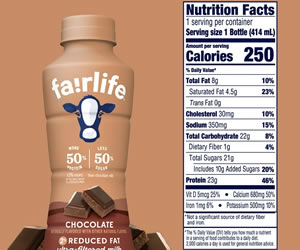
A closer examination of Fairlife Chocolate Milk’s nutritional label reveals why it stands out:
- Protein Power: Each serving offers 13 grams of high-quality protein, nearly double that of traditional chocolate milk. This makes it an excellent source of essential amino acids needed for muscle repair, recovery, and growth.
- Sugar Reduction: Remarkably, Fairlife manages to reduce the sugar content by 50% compared to regular chocolate milk, achieving this through a natural concentration process without the use of artificial sweeteners.
- Calcium and Vitamin D: It provides 30% of the daily recommended intake of calcium and 25% of vitamin D, nutrients essential for bone health, immune function, and more.
The Fairlife Filtration Process
The secret behind Fairlife’s enhanced nutrition is its proprietary ultra-filtration process. This innovative method selectively concentrates the beneficial components of milk (like protein and calcium) while filtering out sugars and lactose. The result is a lactose-free, high-protein milk that retains all the deliciousness of traditional chocolate milk but with a fraction of the sugar.
Nutritional Comparison with Regular Chocolate Milk
When placed side by side with its traditional counterparts, Fairlife’s advantages become even more apparent:
- Lower in Calories: Despite its rich flavor, Fairlife contains fewer calories, making it a guilt-free pleasure for those monitoring their calorie intake.
- Healthier Fats: It also has a more favorable fat profile, including less saturated fat, contributing to better heart health.
Health Benefits of Fairlife Chocolate Milk
Fairlife Chocolate Milk goes beyond just being a delicious beverage; it serves as a nutrient-rich option that can play a vital role in supporting overall health and fitness goals. Here’s how its unique nutritional profile benefits the body:
Protein: The Building Block for Muscle Repair and Growth
- Muscle Recovery: With its high protein content, Fairlife Chocolate Milk is an excellent choice for post-workout recovery. Protein is crucial for muscle repair and the synthesis of new muscle fibers, making this chocolate milk a favorite among athletes and fitness enthusiasts.
- Satiety and Weight Management: Protein is also known for its ability to increase satiety, which can help in weight management. Fairlife offers a way to indulge in the taste of chocolate milk without the guilt, providing a filling, protein-rich beverage option.
Calcium and Vitamin D: Essentials for Bone Health
- Strengthening Bones: Calcium plays a critical role in maintaining strong bones and teeth. Combined with vitamin D, which enhances calcium absorption, Fairlife Chocolate Milk supports bone health, reducing the risk of osteoporosis.
- Additional Health Benefits: Vitamin D is also vital for immune function and has been linked to a reduced risk of various diseases. Fairlife, by providing these nutrients in significant amounts, contributes to overall health and well-being.
Reduced Sugar Content: A Healthier Alternative
- Lower Sugar Intake: With less sugar than traditional chocolate milk, Fairlife offers a healthier alternative that aligns with the dietary guidelines for reduced sugar consumption. This is particularly beneficial for those managing diabetes, prediabetes, or looking to reduce their overall sugar intake.
- Heart Health: Lower sugar and higher protein intake are associated with improved heart health. By choosing Fairlife over regular chocolate milk, individuals can enjoy the sweet taste of chocolate milk while supporting their heart’s health.
The health benefits of Fairlife Chocolate Milk are clear, making it an excellent addition to a balanced diet. Whether you’re looking for a post-workout recovery drink, a nutrient-rich snack, or simply a healthier alternative to satisfy your chocolate cravings, Fairlife Chocolate Milk delivers both nutrition and taste.
Ideal Use Cases for Fairlife Chocolate Milk
Fairlife Chocolate Milk is not just a treat; it’s a versatile beverage that fits into many aspects of a healthy lifestyle. Its unique nutritional profile makes it suitable for a range of scenarios, from a post-workout recovery aid to a nutritious snack for children and adults alike. Let’s explore some of the most beneficial use cases for Fairlife Chocolate Milk.
Post-Workout Recovery
- Muscle Repair: The high protein content in Fairlife Chocolate Milk aids in the quick repair of muscle tissues damaged during exercise. Drinking it post-workout can help reduce muscle soreness and speed up recovery.
- Rehydration: Along with providing essential nutrients, Fairlife Chocolate Milk also helps in rehydration, replacing fluids lost through sweat during intense workouts.
Dietary Supplement for Increased Protein Intake
- Meal Replacement: For those looking to boost their protein intake, Fairlife Chocolate Milk can serve as an excellent meal replacement or supplement. Its balanced nutritional profile supports muscle maintenance and growth without the added sugars found in typical meal replacement shakes.
- Snack Alternative: It’s a healthier snack alternative that satisfies sweet cravings without the high sugar content of conventional snacks. This makes it ideal for both children and adults looking for nutritious snack options.
Healthy Snack Alternative
- Convenience: Fairlife Chocolate Milk offers a convenient way to enjoy a nutritious snack on the go, thanks to its longer shelf life and individual packaging options.
- Versatility: It can be enjoyed on its own, added to smoothies, or used as a base for healthy desserts, making it a versatile option for any time of the day.
Fairlife Chocolate Milk’s adaptability makes it a staple in the dietary regimen of health-conscious individuals, athletes, and families. Its role extends beyond just being a beverage; it’s a nutrient-rich option that supports a healthy, active lifestyle.
Comparing Fairlife Chocolate Milk with Other Milk Alternatives
In the quest for healthier beverage options, it’s essential to understand how Fairlife Chocolate Milk stacks up against other alternatives like soy, almond, and oat milk.
Nutritional Superiority
- Protein Content: Fairlife Chocolate Milk boasts a higher protein content compared to most plant-based milk alternatives, making it an excellent choice for muscle maintenance and growth.
- Reduced Sugar: While some milk alternatives may have lower calorie counts, Fairlife’s reduced sugar content and lack of added sugars make it a healthier choice for those monitoring their sugar intake.
Taste and Texture
- Creaminess: Fairlife Chocolate Milk is known for its creamy texture and rich chocolate flavor, which is often lacking in plant-based alternatives.
- Satisfaction: Its satisfying taste and texture make it a preferred option for those who enjoy dairy but want a healthier alternative to traditional chocolate milk.
Cost-Effectiveness and Availability
- Economic Value: While Fairlife may be priced slightly higher than some milk alternatives, its nutritional benefits and longer shelf life offer excellent value for money.
- Accessibility: Widely available in supermarkets and online, Fairlife Chocolate Milk is accessible to a broad audience, making it an easy addition to any diet.
Fairlife Chocolate Milk emerges as a frontrunner in the realm of nutritious beverages, offering a blend of taste, health benefits, and versatility unmatched by many alternatives. Whether you’re after its protein-rich profile for muscle recovery or seeking a healthier snack option, Fairlife Chocolate Milk caters to a wide range of dietary needs and preferences.
FAQ Section: Expert Insights on Fairlife Chocolate Milk
What sets Fairlife Chocolate Milk apart from regular chocolate milk?
- Nutritional Superiority: Fairlife Chocolate Milk boasts a unique nutritional profile, with higher protein and lower sugar content compared to traditional chocolate milk. This is achieved through a specialized filtration process that concentrates beneficial nutrients while reducing sugars.
- Health Benefits: The enhanced protein and reduced sugar levels make Fairlife a healthier choice, supporting muscle recovery, bone health, and reduced sugar intake.
- Lactose-Free: Unlike most regular chocolate milks, Fairlife is lactose-free, making it suitable for individuals with lactose intolerance.
How does Fairlife Chocolate Milk support athletic performance and recovery?
- High Protein Content: With its rich protein content, Fairlife aids in muscle repair and growth, essential for athletes and fitness enthusiasts post-workout.
- Hydration and Nutrient Replacement: It serves as an excellent hydration option, replenishing fluids and providing essential nutrients lost during physical activity.
- Balanced Electrolytes: The presence of calcium and potassium in Fairlife helps maintain electrolyte balance, crucial for recovery and performance.
Can Fairlife Chocolate Milk be considered a healthy snack alternative?
- Nutrient-Rich: Yes, its high protein and low sugar content, coupled with essential vitamins and minerals, make Fairlife a nutritious snack option.
- Satiety: The protein in Fairlife Chocolate Milk can help keep you fuller for longer, aiding in weight management by reducing cravings and unnecessary snacking.
- Versatility: It’s not only great on its own but can also be incorporated into smoothies, oatmeal, or healthy dessert recipes, providing a nutritious and delicious snack alternative.
Is Fairlife Chocolate Milk suitable for children?
- Nutritional Benefits: Absolutely. The balanced nutritional profile, including high protein, reduced sugar, and essential nutrients like calcium and vitamin D, supports children’s growth and development.
- Lactose-Free: Being lactose-free, it’s also a great option for children who are lactose intolerant or have milk sensitivities, allowing them to enjoy the benefits of milk without discomfort.
- Taste Appeal: With its creamy texture and rich chocolate flavor, Fairlife is often more appealing to children than plain milk, encouraging them to consume more nutrient-rich beverages.
How does Fairlife’s filtration process enhance its nutritional value?
- Concentration of Nutrients: The ultra-filtration process concentrates protein and calcium while removing lactose and reducing sugar levels, resulting in a milk that’s richer in essential nutrients.
- Purity and Quality: This process also ensures a higher purity level, removing impurities and potential allergens, contributing to the overall quality and digestibility of the milk.
- Environmental Impact: Fairlife’s efficient filtration process contributes to sustainability by reducing waste and enhancing the overall environmental footprint of dairy production.