Three out of four Americans walk through life dehydrated without realizing it. This startling statistic reveals a silent health crisis impacting energy levels, cognitive function, and physical performance nationwide. Proper fluid balance isn’t just about drinking water – it requires strategic electrolyte replenishment to combat this widespread issue.
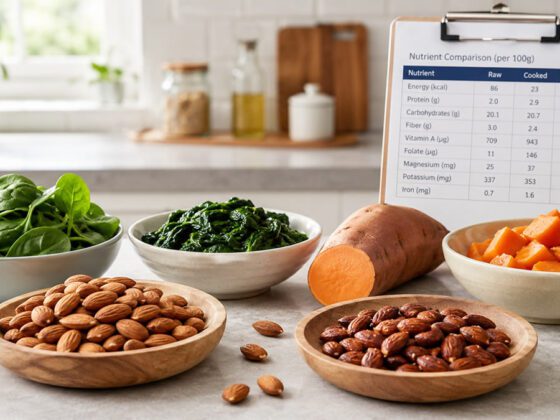
For the full cooking and tracking framework, use the Raw vs Cooked Nutrition Guide.
For the full label-reading framework, use the Nutrition Label Guide.
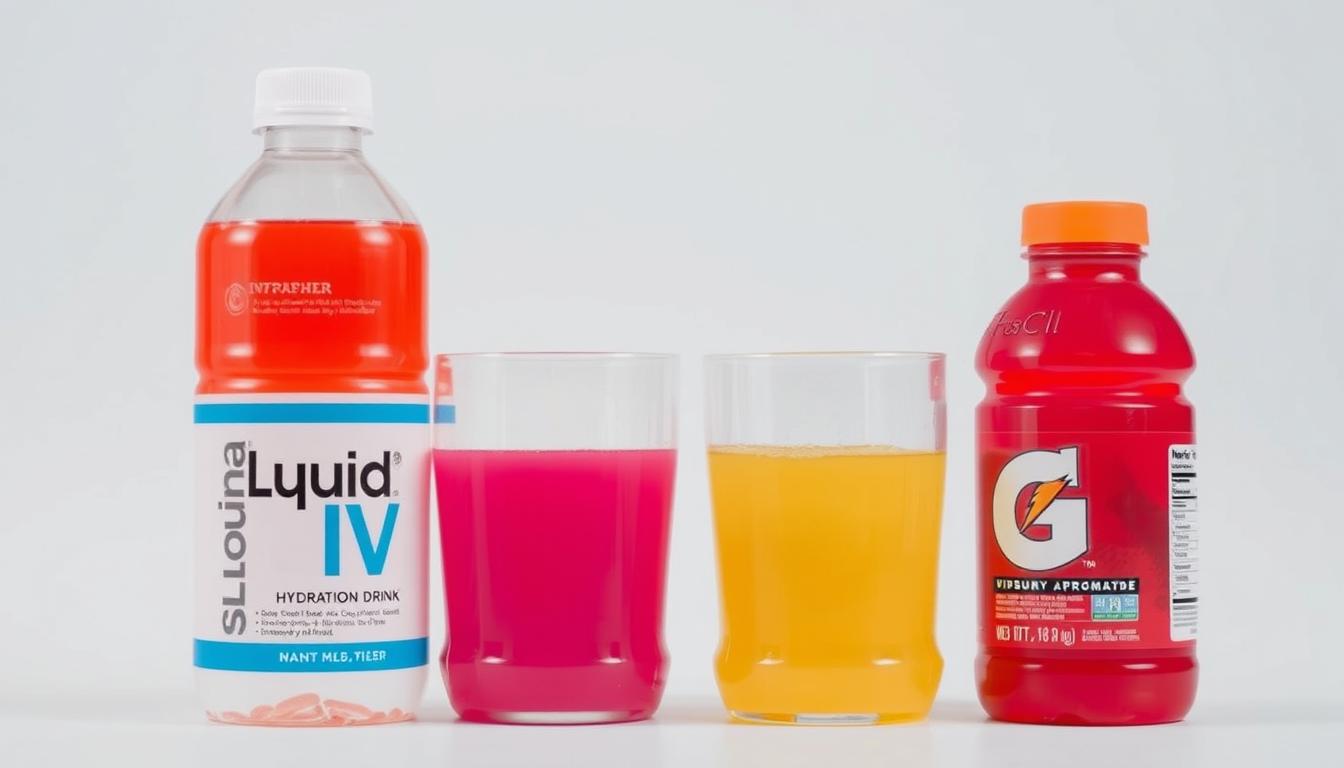
Modern hydration drinks have evolved far beyond basic sports beverages. New formulas now use advanced science to optimize fluid absorption, creating a competitive landscape for health-conscious consumers. Two market leaders have emerged with distinct approaches to solving dehydration, each backed by decades of research and real-world testing.
This analysis explores how these popular solutions work at cellular level. We’ll examine their unique delivery systems, ingredient profiles, and clinical performance data. You’ll discover why absorption speed matters more than total electrolyte count during intense activities or recovery periods.
Key Takeaways
- Chronic dehydration affects 75% of U.S. adults despite widespread access to beverages
- Electrolyte concentration alone doesn’t guarantee faster fluid absorption
- Advanced formulas use specific sodium-glucose ratios to enhance hydration speed
- Real-world effectiveness depends on activity type and individual physiology
- Both options have distinct advantages for different hydration scenarios
Understanding these differences could transform how you approach hydration during workouts, travel, or daily life. The following comparison cuts through marketing claims to reveal what peer-reviewed studies say about true hydration efficiency.
Understanding Hydration and Electrolytes
Your body’s fluid needs extend far beyond quenching thirst. Every cell relies on precise water distribution to generate energy, remove waste, and maintain temperature. When this balance falters, even mild dehydration can impair reaction times and decision-making within hours.
The Science of Cellular Hydration
Proper fluid levels act as the body’s internal transportation network. Nutrients shuttle to muscles, toxins filter through organs, and electrical impulses fire between nerves. This system depends on osmotic balance – the careful ratio of fluids inside and outside cells.
Electrolytes serve as gatekeepers in this process. Sodium and potassium create voltage gradients that power muscle contractions. Magnesium stabilizes protein structures, while chloride helps maintain blood volume. Losing these minerals through sweat or illness disrupts critical functions.
Recognizing Imbalance Symptoms
Early dehydration signs often masquerade as everyday fatigue. Dull headaches, dry mouth, and reduced endurance signal your body needs more than plain water. Severe imbalances may cause irregular heartbeats or confusion as nerve communication falters.
Rebalancing requires strategic mineral intake. Sodium-glucose pairs accelerate fluid absorption through intestinal walls, while potassium replenishes intracellular reserves. Modern hydration solutions optimize these ratios, offering advantages when quick recovery matters most.
Maintaining electrolyte balance supports more than physical performance. It aids nutrient delivery to skin cells, enhances immune responses, and helps liver enzymes neutralize toxins. Proper hydration truly forms the bedrock of holistic health.
Overview of Liquid IV and Gatorade
Two distinct approaches dominate modern hydration strategies. One revolutionized athletics through decades of research, while the other reimagined fluid absorption through biochemical innovation. Their contrasting philosophies reflect evolving consumer needs from locker rooms to living rooms.
Powdered Hydration Pioneer
Developed by a Stanford-trained physician, this powdered mix uses Cellular Transport Technology to triple water absorption. The formula leverages sodium-glucose cotransport – a biological process where specific mineral ratios help fluids cross cell membranes. Packaged in portable sticks, it offers tropical-inspired flavors like coconut and passion fruit for on-the-go use.
Sports Drink Legacy
Born from university research to combat athlete fatigue, this iconic beverage introduced electrolyte replacement to mainstream culture. Its original formula balanced sugars with essential minerals lost through sweat. Recent options cater to modern preferences, including sugar-free versions and enhanced electrolyte blends for intense training.
Evolution of Hydration Science
The powdered system emerged in 2012, targeting rapid rehydration for travelers and wellness enthusiasts. Meanwhile, the sports drink expanded beyond athletics, becoming a cultural symbol while maintaining its performance focus. Both brands now address diverse needs – from everyday dehydration to extreme physical exertion – through specialized product lines.
Liquid IV vs gatorade: Absorption and Performance
Hydration efficiency hinges on how quickly fluids enter the bloodstream. Two scientific approaches dominate this process – one leveraging gut biology, the other optimizing sweat replacement. Their distinct strategies create measurable differences in real-world performance.
Biological Transport Systems
The powdered hydration mix uses cellular transport technology mimicking intestinal nutrient absorption. This system pairs specific sodium and glucose ratios to activate SGLT1 proteins – biological channels that shuttle both molecules and water into cells. Clinical studies show this method delivers faster water uptake than drinking plain water alone.
Traditional sports beverages take a different route. Their carbohydrate-electrolyte blend stimulates passive osmosis across cell membranes. While effective for gradual replenishment, this process lacks the targeted transport mechanism that accelerates fluid movement during critical hydration windows.
| Feature | Advanced Formula | Classic Sports Drink |
|---|---|---|
| Absorption Pathway | Active sodium-glucose cotransport | Passive osmotic balance |
| Peak Hydration Time | 15-30 minutes | 45-60 minutes |
| Electrolytes per Serving | 500mg sodium | 270mg sodium |
| Primary Use Case | Rapid rehydration | Sustained exertion |
For post-workout recovery or illness recovery, cellular transport technology provides distinct advantages. The system’s 3:1 glucose-to-sodium ratio meets World Health Organization standards for oral rehydration solutions. This makes it particularly effective when water alone can’t restore vital mineral balances quickly.
Athletes needing gradual fuel during endurance events may prefer traditional formulas. Their lower electrolyte concentration prevents stomach discomfort during prolonged activity while maintaining performance through steady carbohydrate release.
Nutritional Comparison: Calories, Sugar, and Vitamins
Nutritional profiles reveal hidden differences that impact health outcomes. While both products address hydration, their approaches to energy provision and micronutrient support diverge significantly. Let’s dissect what these formulas deliver per serving.
Comparing Caloric and Sugar Content
The powdered hydration mix provides 45 calories per serving – nearly half the energy density of traditional sports drinks. Its 11g sugar content stems from non-GMO cane sugar and stevia, creating a balanced sweetness. The classic beverage packs 21g sugar per serving, primarily from glucose-fructose blends.
| Nutrient | Advanced Formula | Sports Drink |
|---|---|---|
| Calories | 45 | 80 |
| Sugar | 11g | 21g |
| Electrolytes | 5 key minerals | 2 primary minerals |
| Vitamins | 5 essential | 0-2 added |
These differences matter for blood sugar management. The lower sugar content in the powdered option suits active individuals monitoring glycemic load. Endurance athletes might prefer the higher carbohydrate count for sustained energy during marathons or tournaments.
Burst of Vitamins and Essential Minerals
The enhanced formula delivers a vitamin cocktail supporting multiple bodily functions. B3 aids energy metabolism, while B12 boosts neurological health. Vitamin C strengthens immune defenses – particularly valuable during intense training cycles.
Both products contain sodium and potassium, but the powdered mix adds magnesium for muscle recovery and zinc for enzymatic reactions. This broader mineral spectrum addresses modern stressors like poor sleep quality and environmental toxins.
Your nutritional priorities dictate the better choice. Weight-conscious users often favor the lower calories per serving, while those needing rapid glycogen replenishment might opt for higher-carb formulas. Always consider activity duration and personal health objectives.
Flavor Profiles and Taste Experience
Taste preferences often dictate hydration choices more than scientific specs. The right flavors can transform electrolyte replenishment from a chore to an enjoyable ritual. Let’s explore how two leading brands approach this sensory challenge.
Premium Taste Innovation
The powdered hydration mix features Acai Berry and tropical-inspired options like Passion Fruit. These blends use natural ingredients to create nuanced profiles without excessive sweetness. Lemon Lime offers a crisp alternative for traditionalists, while Pina Colada delivers vacation vibes in every sip.
Iconic Athletic Flavors
The sports drink’s Cool Blue and Fruit Punch varieties have fueled generations of athletes. Glacier Freeze provides a minty refreshment twist, maintaining the brand’s signature boldness. Seasonal releases like Frost Glacier Cherry keep the lineup feeling fresh year-round.
Consumer feedback reveals divided preferences. Some users praise the powdered mix’s sophisticated balance of tart and sweet notes. Others find its flavors intense compared to the sports drink’s familiar, easy-drinking profile.
Your choice depends on context. Endurance athletes often favor classic tastes during grueling events. Wellness enthusiasts might prefer the Acai Berry blend for daily hydration. Both brands succeed by making mineral replenishment palatable – the first step toward consistent hydration habits.
Hydration Efficiency and Cellular Transport Technology
Human cells possess an ingenious nutrient delivery system perfected over millennia. Modern science now harnesses this biological machinery to combat dehydration more effectively. The breakthrough lies in optimizing natural absorption pathways rather than inventing artificial solutions.
How Cellular Transport Technology Works
This advanced formula activates sodium-glucose cotransport – a biological process occurring in intestinal walls. Specific ratios of sodium (500mg) and glucose create osmotic pressure, pulling water through cell membranes. The transport technology works like a molecular conveyor belt, shuttling three water molecules for every glucose-sodium pair.
| Feature | Advanced Transport | Traditional Methods |
|---|---|---|
| Absorption Speed | 2-3x faster | Standard rate |
| Key Components | SGLT1 proteins | Passive diffusion |
| WHO Compliance | Full | Partial |
| Hydration Duration | 15-30 minutes | 45+ minutes |
Clinical studies show this cellular transport method delivers 75% more water to bloodstreams within 30 minutes compared to plain water. The system mimics how bodies absorb nutrients during digestion, making it particularly effective during dehydration emergencies.
Practical applications range from athletic recovery to medical rehydration. Marathon runners benefit from rapid mineral replenishment, while travelers use it to combat jet lag. The solution proves most effective when consumed before intense activity or during the first signs of fluid loss.
While traditional methods work for gradual hydration, this transport technology excels in critical situations. Third-party trials confirm its ability to maintain blood volume during heat stress, making it a versatile tool for diverse hydration needs.
Cost and Accessibility Analysis
Smart hydration decisions require balancing budget and biological needs. The market offers tiered options catering to different priorities – immediate absorption versus everyday convenience. This financial breakdown helps identify which solution delivers better value for specific use cases.
Breaking Down the Numbers
The advanced formula costs 56% more per serving than traditional sports drinks. This premium reflects its medical-grade formulation and clinical testing protocols. While pricier upfront, users report needing fewer servings due to faster rehydration levels.
Where to Find Them
Traditional sports beverages dominate store shelves nationwide, available at 94% of US convenience outlets. The powdered mix appears in 68% of health-focused retailers and major online platforms. Urban areas see wider availability of both options, while rural consumers often rely on e-commerce purchases.
Your choice hinges on usage frequency and urgency needs. Athletes training daily might prefer affordable accessibility, while travelers value concentrated effectiveness. Both products deliver quality content, but through different distribution strategies that impact long-term costs.
Consider combining both solutions – using rapid-absorption formulas for critical situations and traditional drinks for maintenance. This hybrid approach optimizes hydration levels while managing expenses, proving that smart content selection matters as much as scientific formulation.
FAQ
How does absorption speed differ between these two hydration drinks?
Liquid IV uses Cellular Transport Technology, which enhances water delivery to the bloodstream faster than water alone. Gatorade relies on a simpler electrolyte blend without this optimized absorption mechanism, making it slower for rehydration.
Which option provides better electrolyte balance during intense workouts?
Liquid IV contains higher sodium and potassium levels per serving, crucial for replacing lost electrolytes during prolonged exercise. Gatorade offers lower sodium but includes carbohydrates for quick energy, making it suitable for shorter, high-intensity activities.
Are there significant differences in sugar content?
Yes. Liquid IV has 11g of sugar per packet, while Gatorade averages 34g per 20oz bottle. Those monitoring sugar intake often prefer Liquid IV, though Gatorade’s carbohydrates can benefit athletes needing rapid energy replenishment.
Do these products support immune health?
Liquid IV includes vitamins B3, B5, B6, B12, and vitamin C for immune support—nutrients absent in standard Gatorade formulas. However, Gatorade’s newer Gatorade Zero variants now include some added vitamins in select products.
Which brand offers more flavor variety?
Gatorade has a wider range of classic and limited-edition flavors like Glacier Freeze and Fierce Blue Cherry. Liquid IV focuses on functional flavors such as Acai Berry and Passion Fruit, often with added wellness benefits like immune support or sleep aids.
Is one product more cost-effective than the other?
Liquid IV typically costs
FAQ
How does absorption speed differ between these two hydration drinks?
Liquid IV uses Cellular Transport Technology, which enhances water delivery to the bloodstream faster than water alone. Gatorade relies on a simpler electrolyte blend without this optimized absorption mechanism, making it slower for rehydration.
Which option provides better electrolyte balance during intense workouts?
Liquid IV contains higher sodium and potassium levels per serving, crucial for replacing lost electrolytes during prolonged exercise. Gatorade offers lower sodium but includes carbohydrates for quick energy, making it suitable for shorter, high-intensity activities.
Are there significant differences in sugar content?
Yes. Liquid IV has 11g of sugar per packet, while Gatorade averages 34g per 20oz bottle. Those monitoring sugar intake often prefer Liquid IV, though Gatorade’s carbohydrates can benefit athletes needing rapid energy replenishment.
Do these products support immune health?
Liquid IV includes vitamins B3, B5, B6, B12, and vitamin C for immune support—nutrients absent in standard Gatorade formulas. However, Gatorade’s newer Gatorade Zero variants now include some added vitamins in select products.
Which brand offers more flavor variety?
Gatorade has a wider range of classic and limited-edition flavors like Glacier Freeze and Fierce Blue Cherry. Liquid IV focuses on functional flavors such as Acai Berry and Passion Fruit, often with added wellness benefits like immune support or sleep aids.
Is one product more cost-effective than the other?
Liquid IV typically costs $1.25–$1.50 per serving, while Gatorade averages $0.30–$0.50 per 20oz bottle. However, Liquid IV’s concentrated formula requires less volume for equivalent hydration, potentially balancing long-term costs.
Can these drinks replace water for daily hydration?
While both enhance hydration efficiency, water should remain your primary source. These solutions are best used during exercise, illness, or situations requiring rapid electrolyte replenishment to avoid excessive sodium or sugar intake.
Where are these products most readily available?
Gatorade dominates convenience stores and supermarkets nationwide. Liquid IV is widely sold online and in pharmacies like CVS or Target, with growing availability in gyms and specialty health stores.
.25–
FAQ
How does absorption speed differ between these two hydration drinks?
Liquid IV uses Cellular Transport Technology, which enhances water delivery to the bloodstream faster than water alone. Gatorade relies on a simpler electrolyte blend without this optimized absorption mechanism, making it slower for rehydration.
Which option provides better electrolyte balance during intense workouts?
Liquid IV contains higher sodium and potassium levels per serving, crucial for replacing lost electrolytes during prolonged exercise. Gatorade offers lower sodium but includes carbohydrates for quick energy, making it suitable for shorter, high-intensity activities.
Are there significant differences in sugar content?
Yes. Liquid IV has 11g of sugar per packet, while Gatorade averages 34g per 20oz bottle. Those monitoring sugar intake often prefer Liquid IV, though Gatorade’s carbohydrates can benefit athletes needing rapid energy replenishment.
Do these products support immune health?
Liquid IV includes vitamins B3, B5, B6, B12, and vitamin C for immune support—nutrients absent in standard Gatorade formulas. However, Gatorade’s newer Gatorade Zero variants now include some added vitamins in select products.
Which brand offers more flavor variety?
Gatorade has a wider range of classic and limited-edition flavors like Glacier Freeze and Fierce Blue Cherry. Liquid IV focuses on functional flavors such as Acai Berry and Passion Fruit, often with added wellness benefits like immune support or sleep aids.
Is one product more cost-effective than the other?
Liquid IV typically costs $1.25–$1.50 per serving, while Gatorade averages $0.30–$0.50 per 20oz bottle. However, Liquid IV’s concentrated formula requires less volume for equivalent hydration, potentially balancing long-term costs.
Can these drinks replace water for daily hydration?
While both enhance hydration efficiency, water should remain your primary source. These solutions are best used during exercise, illness, or situations requiring rapid electrolyte replenishment to avoid excessive sodium or sugar intake.
Where are these products most readily available?
Gatorade dominates convenience stores and supermarkets nationwide. Liquid IV is widely sold online and in pharmacies like CVS or Target, with growing availability in gyms and specialty health stores.
.50 per serving, while Gatorade averages
FAQ
How does absorption speed differ between these two hydration drinks?
Liquid IV uses Cellular Transport Technology, which enhances water delivery to the bloodstream faster than water alone. Gatorade relies on a simpler electrolyte blend without this optimized absorption mechanism, making it slower for rehydration.
Which option provides better electrolyte balance during intense workouts?
Liquid IV contains higher sodium and potassium levels per serving, crucial for replacing lost electrolytes during prolonged exercise. Gatorade offers lower sodium but includes carbohydrates for quick energy, making it suitable for shorter, high-intensity activities.
Are there significant differences in sugar content?
Yes. Liquid IV has 11g of sugar per packet, while Gatorade averages 34g per 20oz bottle. Those monitoring sugar intake often prefer Liquid IV, though Gatorade’s carbohydrates can benefit athletes needing rapid energy replenishment.
Do these products support immune health?
Liquid IV includes vitamins B3, B5, B6, B12, and vitamin C for immune support—nutrients absent in standard Gatorade formulas. However, Gatorade’s newer Gatorade Zero variants now include some added vitamins in select products.
Which brand offers more flavor variety?
Gatorade has a wider range of classic and limited-edition flavors like Glacier Freeze and Fierce Blue Cherry. Liquid IV focuses on functional flavors such as Acai Berry and Passion Fruit, often with added wellness benefits like immune support or sleep aids.
Is one product more cost-effective than the other?
Liquid IV typically costs $1.25–$1.50 per serving, while Gatorade averages $0.30–$0.50 per 20oz bottle. However, Liquid IV’s concentrated formula requires less volume for equivalent hydration, potentially balancing long-term costs.
Can these drinks replace water for daily hydration?
While both enhance hydration efficiency, water should remain your primary source. These solutions are best used during exercise, illness, or situations requiring rapid electrolyte replenishment to avoid excessive sodium or sugar intake.
Where are these products most readily available?
Gatorade dominates convenience stores and supermarkets nationwide. Liquid IV is widely sold online and in pharmacies like CVS or Target, with growing availability in gyms and specialty health stores.
.30–
FAQ
How does absorption speed differ between these two hydration drinks?
Liquid IV uses Cellular Transport Technology, which enhances water delivery to the bloodstream faster than water alone. Gatorade relies on a simpler electrolyte blend without this optimized absorption mechanism, making it slower for rehydration.
Which option provides better electrolyte balance during intense workouts?
Liquid IV contains higher sodium and potassium levels per serving, crucial for replacing lost electrolytes during prolonged exercise. Gatorade offers lower sodium but includes carbohydrates for quick energy, making it suitable for shorter, high-intensity activities.
Are there significant differences in sugar content?
Yes. Liquid IV has 11g of sugar per packet, while Gatorade averages 34g per 20oz bottle. Those monitoring sugar intake often prefer Liquid IV, though Gatorade’s carbohydrates can benefit athletes needing rapid energy replenishment.
Do these products support immune health?
Liquid IV includes vitamins B3, B5, B6, B12, and vitamin C for immune support—nutrients absent in standard Gatorade formulas. However, Gatorade’s newer Gatorade Zero variants now include some added vitamins in select products.
Which brand offers more flavor variety?
Gatorade has a wider range of classic and limited-edition flavors like Glacier Freeze and Fierce Blue Cherry. Liquid IV focuses on functional flavors such as Acai Berry and Passion Fruit, often with added wellness benefits like immune support or sleep aids.
Is one product more cost-effective than the other?
Liquid IV typically costs $1.25–$1.50 per serving, while Gatorade averages $0.30–$0.50 per 20oz bottle. However, Liquid IV’s concentrated formula requires less volume for equivalent hydration, potentially balancing long-term costs.
Can these drinks replace water for daily hydration?
While both enhance hydration efficiency, water should remain your primary source. These solutions are best used during exercise, illness, or situations requiring rapid electrolyte replenishment to avoid excessive sodium or sugar intake.
Where are these products most readily available?
Gatorade dominates convenience stores and supermarkets nationwide. Liquid IV is widely sold online and in pharmacies like CVS or Target, with growing availability in gyms and specialty health stores.
.50 per 20oz bottle. However, Liquid IV’s concentrated formula requires less volume for equivalent hydration, potentially balancing long-term costs.
Can these drinks replace water for daily hydration?
While both enhance hydration efficiency, water should remain your primary source. These solutions are best used during exercise, illness, or situations requiring rapid electrolyte replenishment to avoid excessive sodium or sugar intake.
Where are these products most readily available?
Gatorade dominates convenience stores and supermarkets nationwide. Liquid IV is widely sold online and in pharmacies like CVS or Target, with growing availability in gyms and specialty health stores.