Preparation Impact
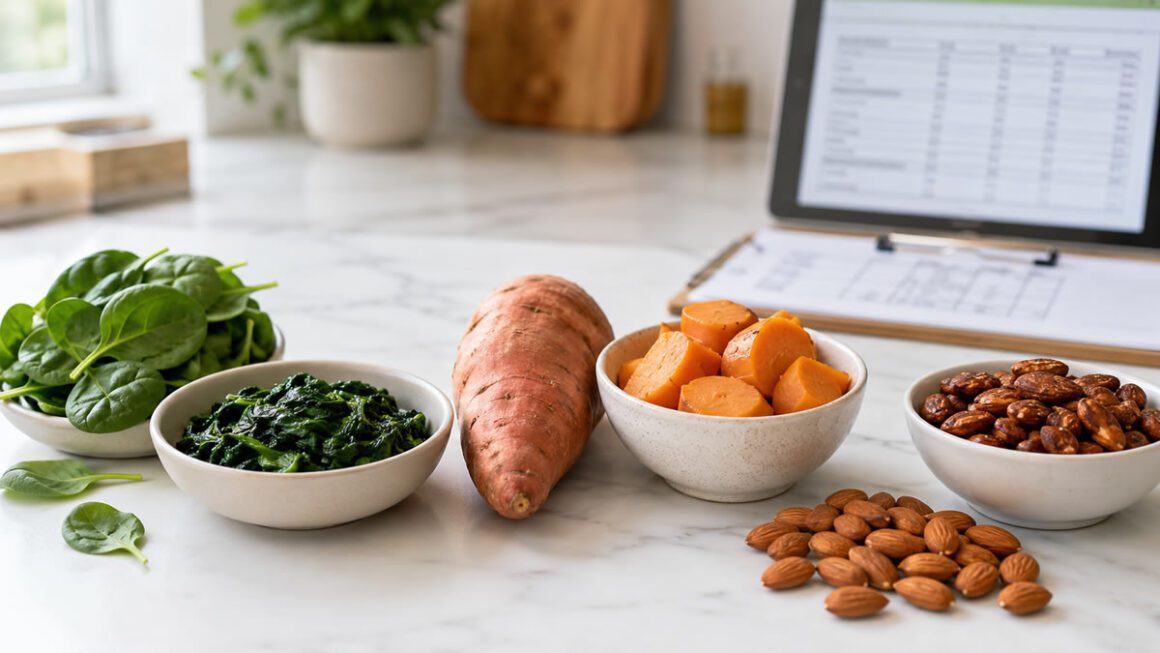
Start with the complete guide: Raw vs Cooked Nutrition Guide.
Preparation Impact is the eNutritionFacts hub for understanding how cooking, draining, roasting, boiling, freezing, reheating, and other preparation methods can affect how nutrition facts are measured and compared.
Category Focus:
This section focuses on food-data interpretation, not medical advice. Articles explain how preparation can change food weight, water content, serving size, cooked yield, and nutrition-table comparisons.
How Preparation Methods Change Nutrition Facts
A food may show different nutrition values depending on whether it is measured raw, cooked, drained, roasted, boiled, canned, frozen, dried, or prepared with added ingredients. Often, the difference comes from the serving basis used in the data, such as grams, cups, raw weight, cooked weight, drained weight, or recipe yield.
Raw and cooked foods are often listed separately in nutrition databases because preparation can change water content, food weight, texture, and volume. For example, a cup of a raw vegetable may not represent the same food weight as a cup of the same vegetable after cooking, draining, or drying.
Why Serving Size Matters
Serving size is one of the biggest reasons nutrition facts can seem confusing. A food measured as “one cup” may vary depending on whether it is chopped, packed, cooked, drained, or dried. A 100-gram comparison is often cleaner for side-by-side food data, while cup measurements may be more practical for everyday meals and recipes.
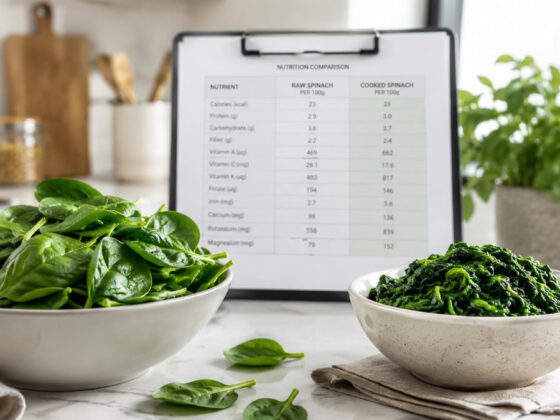
That is why many eNutritionFacts articles include both practical serving sizes and weight-based comparisons when possible. A reader looking for boiled sweet potato nutrition facts per 100g needs a different explanation than someone comparing one cup of raw spinach with one cup of cooked spinach.
How We Handle Nutrition Sources
Nutrition values may come from public food databases, product labels, manufacturer information, or clearly labeled estimates. For many whole-food articles, eNutritionFacts may use USDA FoodData Central or similar source-backed data. For branded foods, product labels and manufacturer data may be more relevant because recipes, serving sizes, and ingredients can change over time.
Every preparation-focused article should make the data basis clear. Readers should be able to tell whether the values refer to raw food, cooked food, a branded product, a restaurant item, a 100-gram serving, a cup measurement, or another serving size. You can read more about this process in our Nutrition Data Methodology.
What This Category Helps You Compare
Preparation Impact articles may cover topics such as raw vs cooked nutrition, boiled vs steamed vegetables, roasted vs raw nuts, air-fried foods, cooked grains, dehydrated fruits, freeze-dried foods, and portion-size conversions. The purpose is not to prescribe one eating style. The purpose is to make nutrition facts easier to compare.
Preparation Impact articles use cautious, educational wording and should avoid unsupported claims, disease claims, or simple raw-vs-cooked rankings. Our editorial approach is explained in our Editorial Guidelines. If you notice an outdated value, unclear source note, or possible correction, please visit our Corrections Policy.