
eNutritionFacts
  • About
  • Blog
    • Nutrition Facts
      • Lists
  • Privacy Policy
    • Terms of use
    • FTC Disclaimer & Affiliate Disclosure
    • Cookies Policy
    • Medical Disclaimer
    • Sitemap
  • Contact
Recent Posts
  • Liquid IV vs Gatorade: Which Absorbs Faster?
  • Liquid IV Nutrition Facts & Daily Value Goals Explained
  • Liquid IV Side Effects & Warnings for Diabetics, Pregnant Women, and More
  • Liquid IV Nutrition Facts vs Sports Drinks: What You’re Really Drinking
  • Liquid IV Sleep Multiplier Review: Ingredients & Sleep Benefits
  • Can You Drink Liquid IV on Keto? Hydration Without the Carbs
  • Liquid IV Side Effects for People with High Blood Pressure
  • Liquid IV Keto Hydration Guide: How to Use It Without Keto Bust
  • Liquid IV vs Gatorade – A Nutritional Showdown You Didn’t See Coming
  • Liquid IV Benefits for Athletes, Travelers, and Tired Moms Alike

Categories

  • Lists
  • Nutrition Facts
eNutritionFacts
eNutritionFacts
  • About
  • Blog
    • Nutrition Facts
  • Privacy Policy
    • Terms of use
    • FTC Disclaimer & Affiliate Disclosure
    • Cookies Policy
    • Medical Disclaimer
    • Sitemap
  • Contact
  • Lists
  • Lists
  • Nutrition Facts

8 Delicious Options with Impressive Nutrition Facts

  • February 15, 2024
  • Fernando Filipe

Unlocking the Secrets to Healthier Eating: 8 Delicious Options with Impressive Nutrition Facts

Contents

  • 1 Unlocking the Secrets to Healthier Eating: 8 Delicious Options with Impressive Nutrition Facts
  • 2 Option 1: Avocado – The Heart-Healthy Fat Source
    • 2.1 Nutritional Profile
    • 2.2 Health Benefits
    • 2.3 How to Incorporate Avocados into Meals
  • 3 How to Maximize Avocado’s Benefits
  • 4 Potential Considerations
  • 5 Concluding Thoughts on Avocado
  • 6 Option 2: Quinoa – The Complete Protein
    • 6.1 Nutritional Profile
    • 6.2 Health Benefits
    • 6.3 How to Incorporate Quinoa into Meals
  • 7 Option 3: Blueberries – The Antioxidant Powerhouse
    • 7.1 Nutritional Profile
    • 7.2 Health Benefits
    • 7.3 How to Incorporate Blueberries into Meals
  • 8 Option 4: Almonds – Nutrient-Rich Snacks
    • 8.1 Nutritional Profile
    • 8.2 Health Benefits
    • 8.3 How to Incorporate Almonds into Meals
  • 9 Option 5: Sweet Potatoes – The Vitamin A Goldmine
    • 9.1 Nutritional Profile
    • 9.2 Health Benefits
    • 9.3 How to Incorporate Sweet Potatoes into Meals
  • 10 Option 6: Spinach – The Green Superfood
    • 10.1 Nutritional Profile
    • 10.2 Health Benefits
    • 10.3 How to Incorporate Spinach into Meals
  • 11 Option 7: Greek Yogurt – The Probiotic-Filled Dairy
    • 11.1 Nutritional Profile
    • 11.2 Health Benefits
    • 11.3 How to Incorporate Greek Yogurt into Meals
  • 12 Option 8: Salmon – The Omega-3 Champion
    • 12.1 Nutritional Profile
    • 12.2 Health Benefits
    • 12.3 How to Incorporate Salmon into Meals
  • 13 Integrating Nutrient-Dense Foods into Your Diet
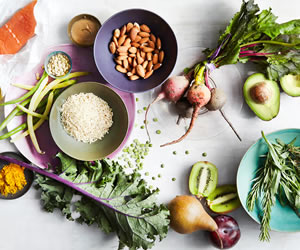
Delicious Options with Impressive Nutrition FactsIn the quest for healthier eating, discovering foods that are not only delicious but also packed with nutritional benefits is like striking gold. The journey towards a balanced diet demands more than just counting calories—it requires a deeper understanding of the nutrients each food brings to the table. In this comprehensive guide, we’ll unveil eight culinary treasures renowned for their impressive nutrition facts, offering a perfect blend of flavor and health benefits. From the creamy texture of avocados to the hearty goodness of quinoa, these ingredients are poised to elevate your meals while contributing to your overall well-being. Whether you’re a seasoned foodie or just embarking on your health journey, integrating these nutritious options into your diet can transform your eating habits, ensuring every bite contributes to your vitality and health.

This guide introduces you to eight delectable choices that bring impressive nutrition facts to the table, promising to enrich your diet and overall well-being. From the creamy texture of avocados to the sweet burst of blueberries, each of these foods offers a unique set of benefits that cater to various health needs and culinary preferences. Whether you’re a fitness enthusiast, someone looking to improve your dietary habits, or simply a food lover in search of nutritious options, this exploration will unveil the secrets to integrating these power-packed foods into your daily meals. Embrace the journey towards a healthier you, as we dive into the flavors and benefits of these eight remarkable foods.

Option 1: Avocado – The Heart-Healthy Fat Source

Avocado, often celebrated as a superfood, is a cornerstone of nutritious eating, offering a unique blend of taste and health benefits. This fruit, characterized by its creamy texture and rich flavor, is a treasure trove of monounsaturated fats, making it an excellent choice for those seeking heart-healthy food options.

Nutritional Profile

At the heart of the avocado’s benefits are its monounsaturated fats, primarily oleic acid, which plays a significant role in heart health by helping to lower bad cholesterol levels. Beyond fats, avocados are packed with dietary fiber and are an excellent source of potassium—surpassing even bananas. They also provide a good dose of vitamins E, C, and various B-vitamins, essential for maintaining overall health.

Health Benefits

  • Heart Health: The high content of monounsaturated fats aids in reducing LDL (bad) cholesterol levels while maintaining HDL (good) cholesterol, contributing to a lower risk of heart disease.
  • Weight Management: Thanks to their fiber and healthy fat content, avocados can help keep you feeling full longer, aiding in weight management efforts.
  • Skin and Eye Health: The antioxidants (vitamins C and E) present in avocados protect the skin from oxidative damage, while compounds like lutein and zeaxanthin offer protection against eye damage.

How to Incorporate Avocados into Meals

  • Breakfast: Avocado toast has become a popular way to enjoy this fruit, often paired with a poached egg for added protein.
  • Salads: Adding sliced avocado to salads can enhance the nutritional profile and introduce a creamy texture without the need for high-calorie dressings.
  • Smoothies: For a nutrient boost and creamy texture, incorporate avocados into your morning or post-workout smoothies.
  • Desserts: Avocados can be the base for healthier dessert options, such as chocolate avocado mousse or ice cream, offering richness without compromising on health.

By making avocados a regular part of your diet, you not only indulge in their delightful taste but also harness their extensive health benefits, from heart health to weight management and beyond. Embrace the versatility of avocados and let them play a starring role in your journey towards a healthier lifestyle.
Avocado’s unique nutritional profile makes it an essential component of a health-conscious diet. Beyond its heart-healthy fats, the avocado is a treasure trove of nutrients that play a crucial role in overall wellness.

How to Maximize Avocado’s Benefits

Incorporating avocados into your diet is straightforward and can be deliciously creative. Here are some additional tips to fully embrace their health benefits:

  • Opt for Ripeness: A ripe avocado not only tastes better but is also easier to digest and its nutrients more readily absorbed by the body. The perfect avocado yields gently to pressure, indicating its readiness for consumption.
  • Preserve Freshness: Prevent cut avocados from browning by sprinkling lemon juice over the exposed flesh and storing them in an airtight container in the refrigerator.
  • Diversify Usage: Beyond the traditional uses, consider adding avocados to soups for creaminess, or as a butter substitute in baking for a healthier fat source.
READ ALSO
Nütrl Nutrition Facts

Potential Considerations

While avocados are undeniably beneficial, they are also high in calories due to their fat content. Moderation is key to balancing their intake with your overall dietary needs, especially if you’re monitoring your calorie consumption.

Concluding Thoughts on Avocado

Avocado’s blend of essential nutrients, coupled with its flexibility in culinary applications, makes it a standout choice for anyone looking to enhance their diet. Whether you’re aiming to improve heart health, manage weight, or simply enjoy delicious, nutritious meals, avocados offer a multifaceted solution that aligns with a variety of dietary goals. Their rich texture and neutral taste make them an ideal addition to both sweet and savory dishes, ensuring that your meals are not only healthful but also immensely satisfying. Embrace the avocado in your daily eating habits, and unlock the door to a healthier, more vibrant lifestyle.

Option 2: Quinoa – The Complete Protein

Quinoa, often hailed as a “superfood,” is a versatile and nutritious grain that has gained immense popularity among health enthusiasts worldwide. Unlike most plant-based foods, quinoa is a complete protein, containing all nine essential amino acids, which are the building blocks of protein that our body cannot produce on its own. This makes quinoa an excellent dietary choice for vegetarians, vegans, and anyone looking to boost their protein intake through non-animal sources.

Nutritional Profile

Quinoa is not only rich in high-quality protein but also boasts a high fiber content, making it great for digestive health. It’s packed with vitamins and minerals, including iron, magnesium, potassium, and zinc, along with B-vitamins and vitamin E. Quinoa is also naturally gluten-free, making it a fantastic option for those with celiac disease or gluten sensitivity.

Health Benefits

  • Complete Protein Source: Provides all nine essential amino acids, making it an excellent protein source for vegetarians and vegans.
  • Blood Sugar Control: The high fiber content helps in slowing down the absorption of sugar into the bloodstream, contributing to better blood sugar control.
  • Antioxidant-Rich: Contains quercetin and kaempferol, powerful antioxidants that combat free radicals in your body, potentially reducing your risk of chronic diseases.

How to Incorporate Quinoa into Meals

  • Breakfast Bowls: Start your day with a quinoa breakfast bowl, mixed with fruits, nuts, and a drizzle of honey or maple syrup.
  • Salads: Add cooked quinoa to salads for a protein boost and a satisfying crunch.
  • Soups and Stews: Stir quinoa into soups and stews to thicken them and add nutritional value.
  • Side Dish: Replace rice with quinoa as a side dish to increase the protein content of your meals.

Quinoa’s versatility in the kitchen allows it to be easily integrated into a wide range of dishes, making it a valuable addition to any meal plan. Whether you’re looking to enhance your protein intake, manage your blood sugar levels, or simply diversify your diet, quinoa offers a delicious and nutritious solution. Embrace this ancient grain as part of your journey towards a healthier eating lifestyle.

Option 3: Blueberries – The Antioxidant Powerhouse

Blueberries are not only delicious but also remarkably nutritious, earning them the title of “antioxidant powerhouse.” These small, vibrant berries are packed with vitamins, minerals, and antioxidants, particularly anthocyanins, which are responsible for their deep blue color and impressive health benefits.

Nutritional Profile

Blueberries are low in calories but high in nutrients, including vitamin C, vitamin K, and manganese. They are also rich in dietary fiber, which supports digestive health. The antioxidants in blueberries, especially anthocyanins, have been studied for their ability to fight oxidative stress and inflammation.

Health Benefits

  • Cognitive Function: Regular consumption of blueberries has been linked to improvements in cognitive function, memory, and brain health, thanks to their high antioxidant content.
  • Heart Health: The anthocyanins in blueberries may reduce the risk of heart disease by improving cholesterol levels and blood pressure.
  • Anti-diabetic Effects: Blueberries’ low glycemic index and high fiber content can help in managing blood sugar levels, making them beneficial for people with diabetes.

How to Incorporate Blueberries into Meals

  • Breakfast: Add blueberries to yogurt, cereals, or pancakes for a nutritious start to your day.
  • Snacks: Enjoy fresh or frozen blueberries as a healthy snack, or blend them into smoothies.
  • Desserts: Use blueberries to make healthier desserts, such as fruit salads, tarts, or sorbets.
  • Sauces and Dressings: Create blueberry-based sauces or dressings for salads, meats, or desserts, adding a sweet and tangy flavor.

Incorporating blueberries into your diet is an easy and tasty way to boost your intake of essential nutrients and antioxidants. Whether consumed fresh, frozen, or in various dishes, blueberries offer a multitude of health benefits, making them a superb addition to a healthy and balanced diet. Enjoy the sweet and nutritious bounty of blueberries and tap into their potential to enhance your health and well-being.

READ ALSO
Banana Calories: How Many Are You Really Eating?

Option 4: Almonds – Nutrient-Rich Snacks

Almonds are revered not just for their crunch and flavor but also for their impressive nutritional profile. These nuts are a fantastic source of essential nutrients, making them an ideal snack for health-conscious individuals.

Nutritional Profile

Almonds are packed with healthy monounsaturated fats, protein, fiber, vitamin E, magnesium, and potassium. They are also a good source of antioxidants, which are primarily concentrated in the brown layer of the skin. This rich nutrient composition contributes to several health benefits and makes almonds an excellent addition to your diet.

Health Benefits

  • Heart Health: The monounsaturated fats in almonds are beneficial for heart health, helping to lower bad cholesterol levels and reduce the risk of heart disease.
  • Weight Management: High in protein and fiber, almonds can help you feel full longer, reducing the urge to overeat and aiding in weight management.
  • Blood Sugar Control: Almonds have a low glycemic index, which, combined with their high fiber and healthy fat content, can help control blood sugar levels, making them beneficial for people with diabetes.
  • Skin Health: Vitamin E in almonds is a powerful antioxidant that protects your skin from oxidative damage and supports skin health.

How to Incorporate Almonds into Meals

  • Snacks: Enjoy a handful of almonds as a nutritious midday snack to keep hunger at bay.
  • Salads: Chop almonds and sprinkle them over salads to add crunch and nutrients.
  • Breakfast: Mix almonds into oatmeal, yogurt, or breakfast cereals for a protein-rich start to your day.
  • Baking: Use ground almonds or almond flour in baking recipes for a nutritious twist on traditional baked goods.

Almonds offer versatility and health benefits that are hard to match. By incorporating almonds into your daily diet, you not only enjoy their delightful taste but also leverage their nutritional benefits. Whether eaten raw, roasted, or as part of various dishes, almonds can contribute significantly to a balanced and healthy diet, supporting your overall well-being.

Option 5: Sweet Potatoes – The Vitamin A Goldmine

Sweet potatoes, with their rich orange hue and sweet, earthy flavor, are more than just a tasty vegetable; they’re a nutritional powerhouse, particularly renowned for their high vitamin A content. This root vegetable brings a plethora of health benefits and versatility to the table.

Nutritional Profile

Sweet potatoes are an excellent source of beta-carotene, which the body converts into vitamin A, essential for eye health, immune function, and skin health. They are also high in fiber, vitamins C and B6, potassium, and manganese. Their rich antioxidant content, including beta-carotene and other phytonutrients, combats oxidative stress and inflammation.

Health Benefits

  • Eye Health: The high levels of beta-carotene in sweet potatoes support healthy vision and may reduce the risk of age-related eye diseases.
  • Immune System: Vitamin A is crucial for a healthy immune system, and sweet potatoes provide a significant amount of this vital nutrient.
  • Digestive Health: The dietary fiber in sweet potatoes helps promote gut health and regularity.
  • Anti-inflammatory Effects: Antioxidants in sweet potatoes have anti-inflammatory properties, which can benefit overall health.

How to Incorporate Sweet Potatoes into Meals

  • Roasted: Cube and roast sweet potatoes with a drizzle of olive oil and your favorite spices for a simple, healthy side dish.
  • Mashed: Boil and mash sweet potatoes with a little bit of milk and butter for a creamy, nutritious alternative to traditional mashed potatoes.
  • Soups and Stews: Add sweet potatoes to soups and stews for added flavor, nutrition, and thickness.
  • Baked Goods: Incorporate sweet potato puree into bread, muffins, or pancakes for added moisture, sweetness, and nutritional benefits.

Sweet potatoes are an incredibly versatile vegetable that can be enjoyed in numerous ways, from savory dishes to sweet treats. Their rich nutritional profile and delicious flavor make them an excellent addition to any meal, providing essential nutrients while satisfying your taste buds. By incorporating sweet potatoes into your diet, you can enjoy the myriad health benefits they offer, making them a valuable component of a balanced and healthy diet.

Option 6: Spinach – The Green Superfood

Spinach is often celebrated as a superfood due to its dense nutritional profile, packed with vitamins, minerals, and antioxidants, yet low in calories. This leafy green is versatile and can be easily incorporated into a variety of dishes.

Nutritional Profile

Spinach is an excellent source of vitamin K, vitamin A (from beta-carotene), vitamin C, iron, folate, and magnesium. It also contains several other antioxidants and bioactive compounds that contribute to its health benefits. Its high nutrient-to-calorie ratio makes spinach a highly beneficial addition to any diet.

Health Benefits

  • Bone Health: The high levels of vitamin K in spinach are crucial for maintaining bone health.
  • Oxidative Stress Reduction: Antioxidants in spinach, such as lutein, beta-carotene, and vitamin C, help combat oxidative stress and reduce the damage it causes to the body.
  • Eye Health: Spinach is rich in zeaxanthin and lutein, two types of antioxidants known for protecting the eyes from UV light and other damage.
  • Cancer Prevention: Certain compounds in spinach have been found to decrease the growth of cancer cells in the stomach and skin.
READ ALSO
Chicken Thigh Calories: Grilled, Baked & Fried Compared

How to Incorporate Spinach into Meals

  • Salads: Use fresh spinach leaves as a base for salads. Combine with a variety of vegetables, nuts, and a healthy dressing for a nutritious meal.
  • Smoothies: Blend spinach with fruits like bananas, apples, and berries for a nutrient-packed smoothie.
  • Sautéed or Steamed: Sauté or steam spinach as a side dish, seasoning with garlic, olive oil, and lemon juice for flavor.
  • Egg Dishes: Add spinach to omelets, frittatas, and quiches for a boost of nutrients and color.

Spinach is a powerful and flexible ingredient that can enhance the nutritional value of meals without compromising on taste. By incorporating spinach into your diet, you take advantage of its myriad health benefits, from improved eye health to enhanced bone strength. Easy to prepare and delicious to eat, spinach is a must-have in the kitchen for those seeking to maintain a healthy and balanced diet.

Option 7: Greek Yogurt – The Probiotic-Filled Dairy

Greek yogurt is distinguished from regular yogurt by its thicker, creamier texture and higher protein content, making it a favorite among health enthusiasts. Beyond its delicious taste, Greek yogurt offers a wealth of nutritional benefits, thanks to its rich probiotic content and essential nutrients.

Nutritional Profile

Greek yogurt is an excellent source of protein, which is crucial for muscle repair and growth. It’s also rich in probiotics, the beneficial bacteria that support gut health. Additionally, Greek yogurt provides calcium, vitamin B-12, potassium, and iodine, making it a nutrient-dense food choice.

Health Benefits

  • Gut Health: The probiotics in Greek yogurt help maintain a healthy balance of gut bacteria, essential for digestion, immunity, and overall health.
  • Bone Health: High in calcium and vitamin D, Greek yogurt supports bone density and strength, helping to prevent osteoporosis.
  • Muscle Health: With its high protein content, Greek yogurt aids in muscle repair and growth, making it an excellent food for recovery after exercise.
  • Weight Management: The combination of high protein and probiotics can aid in weight management by improving metabolism and providing a feeling of fullness, which helps reduce overall calorie intake.

How to Incorporate Greek Yogurt into Meals

  • Breakfast: Mix Greek yogurt with fruits and a sprinkle of granola for a balanced breakfast.
  • Smoothies: Add Greek yogurt to smoothies for a creamy texture and a protein boost.
  • Dips and Sauces: Use Greek yogurt as a base for dips and sauces, adding herbs and spices for flavor.
  • Baking: Substitute Greek yogurt for higher-fat ingredients in baking to reduce calorie content while maintaining moisture and flavor.

Greek yogurt’s versatility and health benefits make it a valuable addition to any diet. Whether enjoyed on its own, mixed with fruits and nuts, or used as a substitute in cooking and baking, Greek yogurt can enhance your meals’ nutritional profile. By incorporating Greek yogurt into your daily routine, you can enjoy its creamy texture while benefiting from its probiotic content and essential nutrients.

Option 8: Salmon – The Omega-3 Champion

Salmon is renowned for its exceptional nutritional value, particularly its high content of omega-3 fatty acids, which are essential for maintaining optimal health. This flavorful fish is also a great source of protein, vitamins, and minerals, making it a prized component of diets focused on heart health, brain function, and overall wellness.

Nutritional Profile

Salmon is rich in high-quality protein, essential omega-3 fatty acids (EPA and DHA), vitamins B12 and D, selenium, and potassium. The omega-3s in salmon are known for their anti-inflammatory properties and play a crucial role in cardiovascular health and cognitive function.

Health Benefits

  • Heart Health: Omega-3 fatty acids help lower blood pressure, reduce triglycerides, and decrease the risk of heart disease.
  • Brain Function: Regular consumption of salmon can benefit brain health, improving memory and reducing the risks of dementia and depression.
  • Joint Health: The anti-inflammatory effects of omega-3s can alleviate symptoms of arthritis, reducing joint pain and stiffness.

How to Incorporate Salmon into Meals

  • Grilled or Baked: Enjoy salmon grilled or baked with a variety of herbs and spices for a healthy and flavorful main dish.
  • Salads: Add cooked, flaked salmon to salads for a nutritious lunch or dinner option.
  • Pasta and Rice Dishes: Combine salmon with whole-grain pasta or rice, along with vegetables, for a balanced meal.
  • Sandwiches and Wraps: Use salmon in sandwiches and wraps with avocado, greens, and whole-grain bread for a satisfying meal.

Salmon’s versatility and health benefits make it an excellent addition to your dietary repertoire. Whether you’re looking to improve heart health, boost brain function, or support joint health, incorporating salmon into your meals is a tasty and effective way to achieve these goals. With its rich flavor and nutritional profile, salmon can elevate the quality of your meals while providing significant health advantages.

Integrating Nutrient-Dense Foods into Your Diet

Incorporating these eight nutrient-dense foods into your diet is a surefire way to enhance your overall health and wellbeing. From the heart-healthy fats of avocados to the probiotic-rich Greek yogurt, each food offers unique benefits that can contribute to a balanced and nutritious eating plan. Whether you’re aiming to improve your heart health, boost your immune system, or simply enjoy a variety of delicious and healthy meals, these foods provide ample opportunities to achieve your dietary goals.

Remember, eating well is about balance and variety. By including avocados, quinoa, blueberries, almonds, sweet potatoes, spinach, Greek yogurt, and salmon in your meals, you’re not only enjoying a wide range of flavors and textures but also ensuring that your body receives the essential nutrients it needs to function optimally. These foods, each with their impressive nutrition facts, are key components of a diet that supports long-term health and vitality.

As you continue on your journey to healthier eating, let these eight delicious options be your guide. Experiment with different recipes, try new combinations, and discover the joy of nourishing your body with foods that are as nutritious as they are enjoyable. Remember, healthy eating doesn’t have to be restrictive or monotonous; it’s an opportunity to explore the vast array of natural, nutrient-packed foods our planet has to offer. Embrace this journey with enthusiasm, and watch as your health transforms one delicious meal at a time.


Visited 58 times, 1 visit(s) today
Related Topics
  • almonds
  • antioxidant powerhouse
  • avocados
  • balanced diet
  • blueberries
  • complete protein
  • dietary tips
  • food benefits
  • Greek yogurt
  • healthy eating
  • heart health
  • nutrient-rich snacks
  • nutrition facts
  • omega-3 fatty acids
  • probiotics
  • quinoa
  • spinach
  • superfoods
  • sweet potatoes
  • vitamin-rich foods
  • wellness
Fernando Filipe
Fernando Filipe

A passionate advocate for health and wellness. With a background in nutrition science and a dedication to empowering others, Fernando leads our team in delivering trustworthy content that aligns with the latest research and guidelines in the field of nutrition.

Leave a Reply Cancel reply

Your email address will not be published. Required fields are marked *

worth reading

Liquid IV vs gatorade

Liquid IV vs Gatorade: Which Absorbs Faster?

by Fernando Filipe
September 5, 2025
0

Compare Liquid IV vs Gatorade: Discover which hydration drink absorbs faster and provides better hydration for you.

Liquid IV nutrition facts

Liquid IV Nutrition Facts & Daily Value Goals Explained

by Fernando Filipe
September 5, 2025
0

Discover the truth about Liquid IV nutrition facts. Learn how this hydration multiplier supports your daily value goals and overall...

Liquid IV side effects

Liquid IV Side Effects & Warnings for Diabetics, Pregnant Women, and More

by Fernando Filipe
September 5, 2025
0

Discover the potential Liquid IV side effects and warnings for diabetics, pregnant women, and more. Learn how to use this...

Liquid IV nutrition facts

Liquid IV Nutrition Facts vs Sports Drinks: What You’re Really Drinking

by Fernando Filipe
September 5, 2025
0

Compare Liquid IV nutrition facts to sports drinks and find out which is best for your hydration needs. Get the...

Liquid IV sleep multiplier

Liquid IV Sleep Multiplier Review: Ingredients & Sleep Benefits

by Fernando Filipe
September 5, 2025
0

Get the facts on Liquid IV sleep multiplier. Our review covers its ingredients, benefits, and effectiveness in enhancing sleep.

Liquid IV keto

Can You Drink Liquid IV on Keto? Hydration Without the Carbs

by Fernando Filipe
September 5, 2025
0

Discover if Liquid IV is keto-friendly. Learn how this hydration supplement can support your keto diet without the carbs.

Liquid IV side effects

Liquid IV Side Effects for People with High Blood Pressure

by Fernando Filipe
September 5, 2025
0

Understand the Liquid IV side effects and their implications for your health. Review the product's safety profile, especially for high...

Liquid IV keto hydration

Liquid IV Keto Hydration Guide: How to Use It Without Keto Bust

by Fernando Filipe
September 5, 2025
0

Learn how Liquid IV keto hydration supports keto lifestyle without keto bust. Our review provides essential info you need.

Mentoplasty VermögenMagazin

Input your search keywords and press Enter.