Deciphering the Code: A Deep Dive Into Nutrition Labels
Contents
- 1 Deciphering the Code: A Deep Dive Into Nutrition Labels
- 1.1 Understanding Macronutrients
- 1.2 The Significance of Micronutrients
- 1.3 Decoding Sugar and Fiber Content
- 1.4 Sodium and Its Effects on Health
- 1.5 Interpreting Serving Sizes and Servings Per Container
- 1.6 Identifying Food Additives
- 1.7 Health Claims and Label Certifications
- 1.8 FAQ Section: Reading Nutrition Labels: Beyond the Basics
- 1.8.1 What does %DV mean on nutrition labels?
- 1.8.2 How can I tell if a food is high in added sugars?
- 1.8.3 What is the difference between “low sodium” and “very low sodium” labels?
- 1.8.4 How can I make sure I’m getting enough fiber from my diet?
- 1.8.5 Can you rely on health claims on food packaging when choosing products?
- 1.8.6 How do serving sizes on nutrition labels relate to the portion sizes I should eat?
- 1.8.7 Is it necessary to avoid all food additives?
- 1.8.8 How can understanding label certifications help me make healthier food choices?
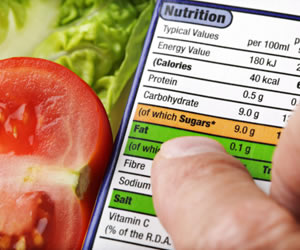 In today’s fast-paced world, making health-conscious dietary choices is more important than ever. Yet, even the most savvy eaters can find themselves puzzled when faced with a nutrition label. With an array of numbers, percentages, and terms, understanding what you’re truly consuming can feel like decoding a complex cipher. However, mastering the art of reading nutrition labels is crucial for maintaining a balanced diet and ensuring long-term health.
This blog post aims to go beyond the basics of nutrition labels, diving deep into what those numbers and terms really mean for your health. From demystifying macronutrients and micronutrients to understanding the implications of added sugars, sodium, and food additives, we’ll guide you through each aspect of a nutrition label. Armed with this knowledge, you’ll be able to make informed dietary choices that support your health and wellbeing.
By the end of this exploration, you’ll not only be adept at interpreting the data on any food package but also understand how to apply this information to your daily diet. Whether you’re aiming to manage your weight, reduce your sodium intake, or simply eat healthier, this guide will empower you to achieve your dietary goals with confidence.
Understanding Macronutrients
Macronutrients are the cornerstone of our diet, providing the energy required for every bodily function and activity. Comprising carbohydrates, proteins, and fats, these nutrients are essential for growth, metabolism, and overall health. Learning to read and understand the macronutrient content on nutrition labels is a crucial skill for anyone looking to maintain a balanced diet.
Carbohydrates
Carbohydrates are the body’s primary energy source, fueling everything from brain function to physical activity. On nutrition labels, carbohydrates are often listed alongside dietary fiber and sugars. It’s important to distinguish between complex carbohydrates, which provide sustained energy, and simple sugars, which can lead to energy spikes followed by crashes. Aiming for foods high in complex carbohydrates, such as whole grains and vegetables, is key to a balanced diet.
Proteins
Proteins are the building blocks of life, essential for the repair and growth of tissues. They also play a critical role in immune function and hormone production. When examining nutrition labels, look for high-quality protein sources that contain all the essential amino acids. These can include both animal products, like meat and dairy, and plant-based sources, such as legumes and nuts.
Fats
Fats are another vital energy source and are necessary for the absorption of fat-soluble vitamins (A, D, E, and K). However, not all fats are created equal. Nutrition labels differentiate between saturated, unsaturated, and trans fats. While unsaturated fats, found in avocados, nuts, and olive oil, can improve heart health, saturated and trans fats should be consumed in moderation as they can increase the risk of heart disease.
Understanding the balance and quality of macronutrients listed on nutrition labels is crucial. It allows individuals to make informed choices that support their energy needs while contributing to long-term health. As you become more familiar with reading these labels, you’ll be better equipped to select foods that align with your dietary goals, whether you’re looking to lose weight, build muscle, or simply maintain a healthy lifestyle.
The Significance of Micronutrients
While macronutrients may take center stage when it comes to dietary considerations, micronutrients—vitamins and minerals—are equally vital for maintaining health and preventing disease. These nutrients, required in smaller amounts than macronutrients, play critical roles in various bodily functions, including bone formation, vision, blood clotting, and immune response. Understanding the micronutrient content on nutrition labels is essential for ensuring a well-rounded diet.
Vitamins
Vitamins are organic compounds that are crucial for normal body growth and function. There are two types of vitamins: fat-soluble and water-soluble. Fat-soluble vitamins (A, D, E, and K) are stored in the body’s fatty tissues, while water-soluble vitamins (C and the B vitamins) need to be replenished regularly. Nutrition labels provide valuable information about the vitamin content of foods, often expressed as a percentage of the Daily Value (%DV). Consuming a variety of foods is the best way to ensure you’re getting enough of these essential nutrients.
Minerals
Minerals, inorganic elements sourced from the earth, are another group of micronutrients vital for health. Key minerals include calcium, potassium, iron, and magnesium, each serving unique functions, such as bone health, oxygen transport, and muscle function. Similar to vitamins, the %DV of minerals on nutrition labels can guide consumers in choosing foods that contribute to the recommended intake levels of these important nutrients.
The role of micronutrients in overall health cannot be overstated. For instance, adequate intake of vitamin D and calcium is essential for maintaining bone density and preventing osteoporosis. Meanwhile, iron is crucial for preventing anemia, especially in women of childbearing age. By paying attention to the micronutrient information on nutrition labels, individuals can better manage health conditions and reduce the risk of nutrient deficiencies.
Furthermore, understanding the micronutrient content helps in tailoring diets to meet specific nutritional needs, such as increased iron intake for vegetarians or adequate folate consumption during pregnancy. It encourages a diversified diet, emphasizing the consumption of fruits, vegetables, whole grains, and lean proteins, all rich in essential vitamins and minerals.
Decoding Sugar and Fiber Content
Navigating the sweet and fibrous parts of our diet through nutrition labels can significantly impact our health and wellbeing. Sugar and dietary fiber, though opposite in their health effects, are both crucial metrics listed on food labels. Understanding these components allows individuals to make better dietary choices, promoting heart health, aiding in weight management, and reducing the risk of chronic diseases.
Sugar: The Sweet Talk
Sugar content on nutrition labels is often listed under carbohydrates, with a further distinction between natural sugars, found in fruits and dairy, and added sugars. Added sugars are a primary concern for health experts, as excessive consumption can lead to weight gain, heart disease, and type 2 diabetes. Recent changes in labeling laws require added sugars to be listed separately, making it easier for consumers to identify and limit their intake.
It’s important to discern between foods naturally high in sugars and those with sugars added during processing. Foods like fruits, despite their sugar content, offer essential nutrients and fiber, making them a healthy part of the diet. Conversely, foods high in added sugars often lack nutritional value and can lead to health issues when consumed in excess.
Fiber: The Unsung Hero
Dietary fiber, also found under the carbohydrate section, is lauded for its numerous health benefits, including lowering the risk of heart disease, type 2 diabetes, and aiding in weight management. Fiber aids digestion, helps maintain stable blood sugar levels, and can enhance satiety, reducing overall calorie intake.
Nutrition labels provide insight into the fiber content of foods, guiding individuals toward healthier, fiber-rich options like whole grains, fruits, vegetables, and legumes. Understanding the fiber content can help consumers meet the recommended daily intake, which is often underconsumed in typical diets.
The sugar and fiber content on nutrition labels serve as a guide for making healthier dietary choices. By prioritizing foods low in added sugars and high in dietary fiber, individuals can improve their diet quality and health outcomes. This knowledge empowers consumers to navigate the supermarket aisles with confidence, selecting foods that support their health and dietary goals.
Sodium and Its Effects on Health
Sodium, an essential nutrient found in salt, plays a critical role in maintaining fluid balance and supporting nerve and muscle function in the body. However, when consumed in excess, sodium can lead to adverse health effects, including high blood pressure, heart disease, and stroke. This makes understanding and managing sodium intake, as guided by nutrition labels, crucial for maintaining good health.
Understanding Sodium on Nutrition Labels
Nutrition labels detail the sodium content in milligrams (mg) and often provide a percentage of the Daily Value (%DV), helping consumers gauge how much of their daily sodium allowance a serving of food contributes. The general guideline for sodium intake is less than 2,300 mg per day, or even lower for individuals with certain health conditions like hypertension.
However, the majority of sodium in the average diet comes from processed and packaged foods, not from salt added during cooking or at the table. This underscores the importance of reading nutrition labels to choose lower-sodium options actively. Foods labeled as “low sodium” contain 140 mg of sodium or less per serving, whereas “very low sodium” products contain 35 mg of sodium or less.
The Health Implications of High Sodium Intake
Consistently high sodium intake can cause the body to retain excess fluid, placing additional pressure on the heart and blood vessels. Over time, this increased pressure can stiffen and narrow the blood vessels, leading to high blood pressure, heart attack, and stroke. Reducing sodium intake can help prevent these outcomes, supporting cardiovascular health.
Tips for Managing Sodium Consumption
- Choose Fresh Over Processed: Fresh fruits, vegetables, and unprocessed meats contain minimal sodium, whereas processed foods like canned soups, snacks, and ready meals are often high in sodium.
- Read Labels Carefully: Opt for foods labeled as “low sodium” or “no added salt” and be mindful of serving sizes, as eating multiple servings can significantly increase sodium intake.
- Rinse Canned Goods: Rinsing canned vegetables and beans under water can remove some of the sodium used in processing.
- Season Wisely: Enhance flavor with herbs, spices, and citrus instead of salt, reducing sodium intake without sacrificing taste.
By understanding the sodium content on nutrition labels and making conscious choices to reduce sodium intake, individuals can significantly impact their health, reducing the risk of hypertension and cardiovascular diseases.
Interpreting Serving Sizes and Servings Per Container
Understanding serving sizes and servings per container is pivotal in accurately interpreting nutrition labels and managing dietary intake. This knowledge assists in aligning portion sizes with dietary guidelines, ensuring that calorie and nutrient consumption aligns with individual health goals.
The Importance of Serving Sizes
Serving sizes on nutrition labels are standardized to make it easier to compare similar foods; they reflect the amount people typically eat or drink. However, serving sizes are not recommendations for how much to consume. The nutritional information provided—calories, macronutrients, vitamins, and minerals—is specific to the listed serving size, making it crucial for consumers to adjust their calculations based on the actual amount they eat.
For instance, if a package lists the serving size as 1 cup and contains two servings, but you consume the entire package, you’re consuming double the calories, sodium, and other nutrients listed per serving. This awareness is particularly important for those monitoring their intake for weight management, sodium restriction, or other dietary needs.
Servings Per Container
The “servings per container” tells you how many servings are in the entire package. This can range from single-serving packages to multiple servings in larger food items. Understanding this number is vital for accurately tracking food intake, especially for packaged snacks, cereals, and beverages that might be easy to overconsume.
Strategies for Adjusting Serving Sizes
- Measure Accurately: Use measuring cups, spoons, or a food scale to ensure your portions match the serving size listed on the package.
- Visual Cues: Familiarize yourself with visual cues for common serving sizes (e.g., a deck of cards for 3 ounces of meat) to make it easier to estimate servings when you’re away from kitchen tools.
- Mindful Eating: Pay attention to hunger and fullness cues, allowing them to guide how much you eat rather than the serving size on the package.
- Adjust Recipes Accordingly: When cooking, adjust the recipe ingredients based on the number of servings you need, preventing unintentional overeating.
By mastering the interpretation of serving sizes and servings per container, individuals can more accurately track their consumption, making informed decisions that support their dietary and health objectives. This not only aids in nutrient management but also plays a critical role in achieving and maintaining a balanced diet.
Identifying Food Additives
In the landscape of nutrition labels, food additives represent a significant area of interest and concern for many consumers. These substances, added to food to enhance flavor, appearance, or preservation, can range from benign to potentially harmful to health. Understanding how to identify and interpret the presence of food additives on nutrition labels is an essential skill for making healthier food choices.
Common Food Additives
Food additives include a wide array of chemicals and natural substances. Some of the most common include:
- Preservatives: Chemicals that prevent food spoilage from bacteria, molds, or yeast.
- Color additives: Synthetic or natural substances used to enhance or restore the color of foods.
- Flavor enhancers: Substances that enhance the existing flavors in food.
- Sweeteners: Include both artificial sweeteners like aspartame and natural sweeteners like stevia.
- Emulsifiers: Agents that help mix ingredients together that would otherwise separate, like oil and water.
- Stabilizers and thickeners: Provide texture and consistency to foods.
Reading Labels for Additives
Food additives must be listed on the ingredient label, usually toward the end of the ingredient list. Recognizing these additives by name or by their E-number (in Europe) allows consumers to make informed decisions about their consumption. For individuals with allergies, sensitivities, or dietary restrictions, this information is crucial.
Potential Health Effects
While many food additives are considered safe within certain usage limits, concerns have been raised about the long-term health effects of some substances, especially artificial preservatives and colorants. Some additives have been linked to health issues such as allergic reactions, digestive disorders, and potentially, an increased risk of certain diseases.
Tips for Minimizing Intake of Harmful Additives
- Opt for Whole, Unprocessed Foods: The simplest way to reduce additive intake is to consume more fresh fruits, vegetables, and whole grains.
- Read Ingredient Labels Carefully: Look for foods with short ingredient lists and ingredients you recognize as whole foods.
- Choose Organic When Possible: Organic foods are less likely to contain synthetic additives.
- Be Informed: Familiarize yourself with the most common food additives and their potential health effects to make informed choices.
By identifying and understanding the role and potential impact of food additives, consumers can take proactive steps to minimize their exposure to unnecessary chemicals, prioritizing health and wellness.
Health Claims and Label Certifications
In the realm of food packaging and nutrition labels, health claims and label certifications serve as key indicators of a product’s nutritional value and safety standards. These elements can guide consumers in making healthier food choices, but understanding what these claims and certifications actually mean is crucial for interpreting them accurately.
Understanding Health Claims
Health claims on food labels are statements made by manufacturers about the health benefits of their product. These claims can range from nutrient-content claims, such as “low fat” or “high in fiber,” to health claims that link a food or nutrient to a reduced risk of a disease or health-related condition. For example, a product may claim to be “heart healthy” if it’s low in saturated fat and cholesterol.
However, it’s important to note that not all health claims are created equal. In many countries, health claims must be backed by scientific evidence and approved by regulatory agencies, such as the Food and Drug Administration (FDA) in the United States. Despite these regulations, consumers should approach health claims with a critical eye, considering the overall nutritional profile of the product rather than focusing on single claims.
Label Certifications
Label certifications provide another layer of information, indicating that a product meets specific standards related to production, processing, and sourcing. Some of the most common certifications include:
- Organic: Products certified organic must meet strict agricultural standards, including no use of synthetic pesticides, fertilizers, or genetically modified organisms (GMOs).
- Non-GMO: Indicates that a product does not contain genetically modified ingredients.
- Fair Trade: Ensures products were produced under fair labor conditions and farmers received a fair price for their goods.
- Gluten-Free: Essential for individuals with celiac disease or gluten sensitivity, indicating that a product contains no gluten.
How to Use This Information
- Look Beyond the Claims: Evaluate the overall nutritional content of a product, considering factors like sugar, sodium, and saturated fat content, rather than relying solely on health claims.
- Understand Certifications: Familiarize yourself with the standards behind common label certifications to ensure they align with your dietary preferences and values.
- Research and Verify: If uncertain about a claim or certification, research or consult reliable sources to verify the accuracy and relevance of the claim to your health goals.
Armed with the knowledge of how to interpret health claims and label certifications, consumers can make more informed decisions that contribute to a healthy, balanced diet.
Read also this related article: Nutrition Facts