For the full label-reading framework, use the Nutrition Label Guide.
For the complete vitamins and minerals label-reading framework, use the Vitamins & Minerals on Food Labels.
For the complete macronutrient label-reading framework, use the Complete Macronutrient Guide.
For the full evidence-aware framework, use the Healthy Aging Nutrition Guide.
For the full data-first framework, use the Metabolic Nutrition Guide.
Did you know a single serving of orange-fleshed root vegetables contains enough beta-carotene to meet 400% of your daily vitamin A needs? This vibrant tuber outperforms many common foods in nutritional density while offering surprising versatility in modern diets.
These colorful root vegetables – available in orange, purple, and white varieties – pack more than just complex carbohydrates. Their rich antioxidant profile supports multiple body systems, from vision enhancement to immune defense mechanisms. Research reveals unique compounds like anthocyanins in purple varieties may offer cognitive protection.
Understanding portion sizes becomes crucial when incorporating these nutrient-dense foods into meal plans. While their natural sugars require mindful consumption, the high fiber content helps regulate blood sugar spikes compared to traditional starches. Emerging studies suggest specific varieties might benefit gut microbiome diversity through resistant starch formation during cooling.
Key Takeaways
- Different colored varieties provide unique antioxidant profiles and health advantages
- Contains essential nutrients supporting vision, immunity, and heart function
- Fiber content aids blood sugar management compared to regular potatoes
- Proper preparation methods enhance nutritional bioavailability
- Portion control optimizes benefits while managing carbohydrate intake
Nutritional Overview of Sweet Potatoes
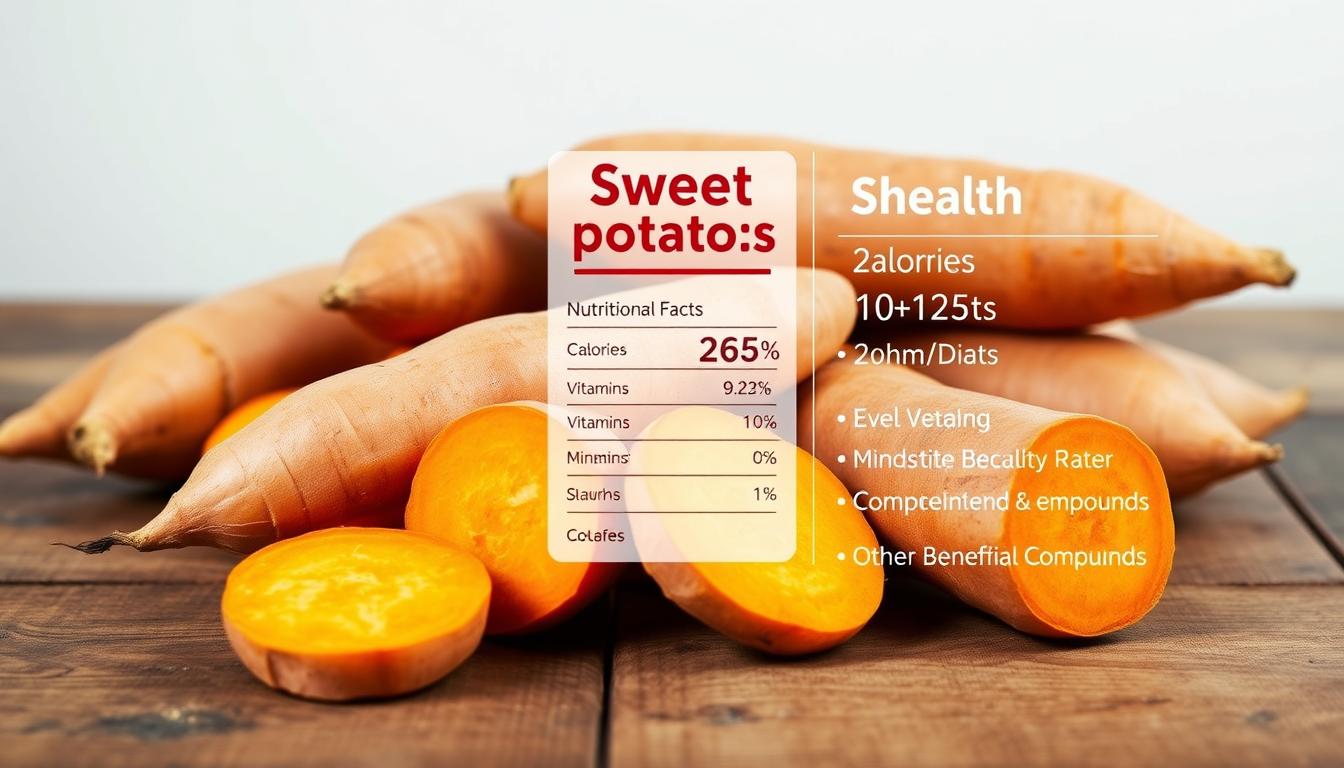
This vibrant root vegetable delivers exceptional nutritional value in every serving. A 200-gram portion of baked tuber with skin contains just 180 calories while packing 6.6 grams of fiber – equivalent to 26% of daily needs. Its natural sugars come from complex carbohydrates that digest slowly, helping maintain steady energy levels.
Three main varieties – orange, purple, and white – offer distinct nutrient profiles. Orange types lead in beta-carotene, converting to vitamin A for eye health. Purple versions contain anthocyanins that may protect brain function. All varieties provide substantial potassium, supporting heart rhythm regulation.
| Nutrient | Amount per 200g | Daily Value % |
|---|---|---|
| Vitamin A | 769% DV | Skin & Immune Support |
| Vitamin C | 65% DV | Antioxidant Protection |
| Manganese | 50% DV | Bone Health |
Preparation methods impact nutrient retention. Steaming preserves more water-soluble vitamins than boiling. Cooling cooked tubers increases resistant starch content, which feeds beneficial gut bacteria. These nutritional facts explain why dietitians frequently recommend incorporating this versatile vegetable into balanced meal plans.
The combination of low calorie density and high micronutrient content makes it ideal for weight management strategies. Its 4 grams of plant-based protein per serving contributes to muscle maintenance, particularly valuable in vegetarian diets.
Understanding sweet potato calories
How does preparation affect the energy content of this popular root vegetable? A raw 100-gram portion contains 86 units of energy, while baking increases this to 180 units per cup (200g) with skin. These numbers demonstrate why portion awareness matters for meal planning.
Cooking techniques cause minor fluctuations in energy values. Steaming preserves water-soluble nutrients better than boiling, though both methods yield similar caloric results. Cooling cooked portions increases resistant starch content – a type of fiber that benefits gut health without adding energy units.
| Preparation Method | Serving Size | Energy Units |
|---|---|---|
| Raw | 3.5 oz (100g) | 86 |
| Baked (with skin) | 1 cup (200g) | 180 |
| Boiled | 1 medium tuber | 112 |
Compared to white potatoes, orange varieties offer 38% more fiber per serving. This combination of slow-release carbohydrates and digestive-supporting fiber makes them ideal for sustained energy. Dietitians often recommend them as nutrient-dense alternatives to refined grains.
When incorporating these tubers into meals, consider their natural sweetness. Pairing them with protein sources helps balance blood sugar responses. Their high vitamin A content remains stable through most cooking processes, ensuring nutritional benefits regardless of preparation style.
Macronutrient Breakdown of Sweet Potatoes
What fuels the sustained energy release in these colorful tubers? Their unique balance of carbohydrates, plant-based proteins, and digestive-supporting fiber creates a nutritional triad that powers both immediate and sustained bodily functions.
Carbohydrates and Glycemic Details
A medium-sized specimen delivers 27 grams of carbohydrates. Over half (53%) comes from slow-digesting starches, while natural sugars account for 32%. This combination explains why many athletes use them as pre-workout fuel.
| Preparation Method | Glycemic Index | Impact |
|---|---|---|
| Boiled | 44-50 | Gradual energy release |
| Baked | 80-94 | Faster glucose conversion |
| Fried | 75-82 | Moderate spike |
Boiling preserves more resistant starch, lowering glycemic response compared to dry-heat methods. Pairing carb-rich portions with healthy fats or proteins further stabilizes blood sugar levels.
Protein and Fiber Insights
While not a protein powerhouse, each serving provides 2 grams containing sporamins – unique compounds studied for their cellular protection potential. The real star remains the 3.8 grams of fiber per cooked portion.
| Fiber Type | Percentage | Function |
|---|---|---|
| Soluble (Pectin) | 15-23% | Cholesterol management |
| Insoluble | 77-85% | Digestive regularity |
This dual-fiber action supports gut health while promoting satiety. Nutritionists often recommend them as blood sugar-friendly alternatives to refined grains, particularly for those managing metabolic concerns.
Vitamins and Minerals in Sweet Potatoes
What transforms these vibrant tubers into nutritional goldmines? Their exceptional vitamin and mineral profile makes them stand out among root vegetables. A single cup delivers 213% of your daily vitamin A needs through beta carotene – a pigment that converts to retinol for eye health and immune support.
The orange varieties particularly shine as beta carotene powerhouses, offering more than double the daily value in one serving. Vitamin C levels rival citrus fruits, providing 44% DV per cup to boost collagen production and antioxidant defenses. “The synergy between these nutrients creates a protective shield against cellular damage,” notes a recent nutritional study.
| Nutrient | % Daily Value | Key Benefit |
|---|---|---|
| Manganese | 43% | Bone development |
| Copper | 36% | Iron absorption |
| Vitamin B6 | 34% | Brain function |
These tubers also supply essential minerals like potassium (20% DV) for blood pressure regulation. The B-complex vitamins work together to convert food into energy, with pantothenic acid and niacin supporting metabolic processes. Regular consumption helps address common deficiencies in magnesium and vitamin A observed in modern diets.
For optimal nutrient absorption, pair them with healthy fats like olive oil. Their diverse micronutrient profile makes them particularly valuable for plant-based eaters and anyone seeking whole-food sources of essential vitamins.
Exploring Key Plant Compounds and Antioxidants
The vivid hues of these root vegetables signal their rich antioxidant content. Orange, purple, and red varieties each contain unique bioactive compounds that combat cellular damage. Research shows darker flesh colors correlate with higher antioxidant levels.
| Variety | Key Compound | Antioxidant Activity (ORAC) |
|---|---|---|
| Orange | Beta carotene | 2115 μmol TE/100g |
| Purple | Anthocyanins | 2722 μmol TE/100g |
| Red | Cyanidins | 1890 μmol TE/100g |
Beta carotene dominates orange varieties, converting to vitamin A for immune support. Purple types contain anthocyanins shown to protect brain cells in animal studies. “These pigments demonstrate stronger free radical scavenging than many berries,” notes a 2023 Food Chemistry analysis.
Chlorogenic acid appears across all types, helping regulate blood sugar spikes. Cooking enhances some antioxidants’ availability – boiled orange varieties release 30% more beta carotene than raw. However, vitamin C levels may decrease slightly with heat exposure.
For maximum benefits, choose deeply colored specimens and alternate cooking methods. Steaming preserves water-soluble nutrients, while roasting intensifies natural sweetness. Pairing with healthy fats like avocado improves antioxidant absorption by up to 400%.
Comparing Sweet Potatoes and Regular Potatoes
When selecting tubers for your meals, understanding their nutritional differences becomes crucial. Both varieties share similar water content (77-79%) and macronutrient ratios, but their health impacts diverge significantly. Fiber content stands out as a key differentiator – orange-fleshed types provide 4g per serving compared to 2g in white varieties.
Blood sugar management favors one tuber over the other. Boiled orange varieties have a glycemic index of 44, while white types score 82. This 48% difference matters for those monitoring glucose levels. The higher fiber in colorful varieties slows carbohydrate absorption, reducing energy crashes.
| Nutrient | Sweet Potatoes | Regular Potatoes |
|---|---|---|
| Fiber (per 200g) | 6.6g | 3.8g |
| Beta Carotene | 23,000 IU | 0 IU |
| Glycoalkaloids | None | 2-15mg |
Regular potatoes contain natural toxins called glycoalkaloids, which can cause digestive discomfort in sensitive individuals. While cooking reduces these compounds, their presence warrants moderation in consumption. Both tubers provide potassium, but only orange-fleshed varieties deliver complete vitamin A coverage through beta carotene conversion.
For meal planning, consider preparation methods. Baking white varieties increases their glycemic impact, while cooling cooked orange types enhances resistant starch. Nutritionists often recommend combining both in rotation – using colorful varieties for antioxidant boosts and white types for occasional satiety needs.
Impact on Blood Sugar and Glycemic Index
Managing blood sugar effectively requires understanding how different foods interact with your body’s chemistry. The glycemic index (GI) of these orange tubers ranges from 44 to 96 depending on preparation – a critical factor for those monitoring glucose levels.
Boiling creates the most stable energy release, with studies showing a 44-50 GI range. Dry-heat methods like baking spike values to 80-94 due to starch gelatinization. This 112% increase demonstrates why cooking technique choice matters for metabolic health.
| Preparation | Average GI | Blood Sugar Impact |
|---|---|---|
| Boiled | 44-50 | Gradual rise |
| Baked | 80-94 | Sharp peak |
| Fried | 75-82 | Moderate spike |
Fiber plays a key role in moderating these effects. Each serving contains 4 grams that slow carbohydrate absorption, helping maintain steady glucose levels throughout the day. Pairing with protein sources like grilled chicken enhances this stabilizing effect.
For individuals managing type 2 diabetes, portion control proves essential. Research highlights the Caiapo variety’s unique potential – a white-skinned type shown to improve insulin sensitivity by 14% in clinical trials. “This specific cultivar demonstrates remarkable glucose-regulating properties,” notes a 2022 Diabetes Care study.
Three practical tips optimize consumption:
- Cool cooked portions to increase resistant starch
- Combine with healthy fats like avocado
- Limit servings to ½ cup for tighter blood sugar control
These strategies allow most people to enjoy the nutritional benefits while maintaining healthy glucose levels. Regular monitoring helps determine individual tolerance thresholds.
Sweet Potatoes for Heart Health and Blood Pressure Management
Cardiovascular wellness gets a natural boost from orange-fleshed tubers. These root vegetables contain more potassium per serving than bananas, a mineral critical for maintaining healthy blood pressure. Research shows adequate potassium intake helps relax blood vessels, reducing strain on the heart muscle.
The fiber in these nutrient-packed tubers binds to excess cholesterol during digestion. This process supports the body’s natural elimination of LDL particles linked to arterial plaque. One study found regular consumers had 18% lower heart disease risk compared to those rarely eating them.
Three mechanisms explain their cardiovascular benefits:
- Vasodilation from potassium eases blood flow
- Fiber removes cholesterol before absorption
- Antioxidants reduce inflammation in blood vessels
For optimal results, pair them with magnesium-rich foods like spinach. This combination enhances electrolyte balance while providing sustained energy. Nutritionists recommend baking instead of frying to preserve their heart-healthy compounds.
Emerging data suggests the anthocyanins in purple varieties may offer additional protection against hypertension. Including different colored types in meals creates a synergistic effect for comprehensive cardiovascular support.
FAQ
How do sweet potatoes compare nutritionally to white potatoes?
Orange-fleshed varieties contain significantly more beta-carotene (converted to vitamin A) than white potatoes. Both provide potassium, but sweet potatoes generally offer more fiber and antioxidants like anthocyanins in purple varieties. Regular potatoes have slightly higher protein content per serving.
Can eating sweet potatoes help manage blood sugar levels?
Despite their natural sweetness, these tubers have a medium glycemic index (44-94 depending on preparation). The combination of fiber (especially with skin) and carotenoids may improve insulin sensitivity, but portion control remains important for those monitoring carbohydrates.
What makes purple varieties particularly beneficial?
The vibrant hue comes from anthocyanins – potent antioxidants linked to improved cognitive function and reduced inflammation. Research suggests these compounds may offer superior free radical scavenging compared to other colored varieties.
How does cooking method affect nutrient availability?
Boiling preserves water-soluble vitamins like B6 and C better than roasting. However, lightly cooking orange-flesched types increases beta-carotene absorption. Avoid prolonged high-heat methods that degrade heat-sensitive phytonutrients.
Are the leaves edible and nutritious?
Yes, sweet potato greens contain substantial vitamin K, lutein, and polyphenols. They’re commonly used in Asian and African cuisines, offering a nutrient profile similar to spinach but with higher antioxidant capacity in some studies.
Do different flesh colors indicate varied health benefits?
Absolutely. Orange types excel in vitamin A precursors, purple varieties in anthocyanins, and white-fleshed versions provide higher calcium levels. Combining multiple colors maximizes diverse phytochemical intake.